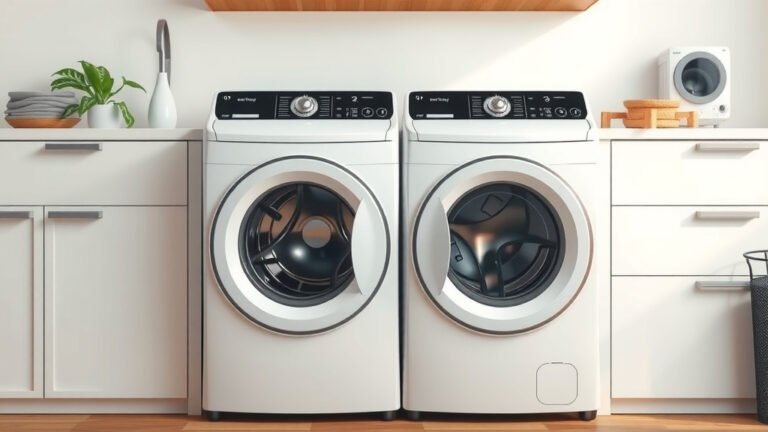
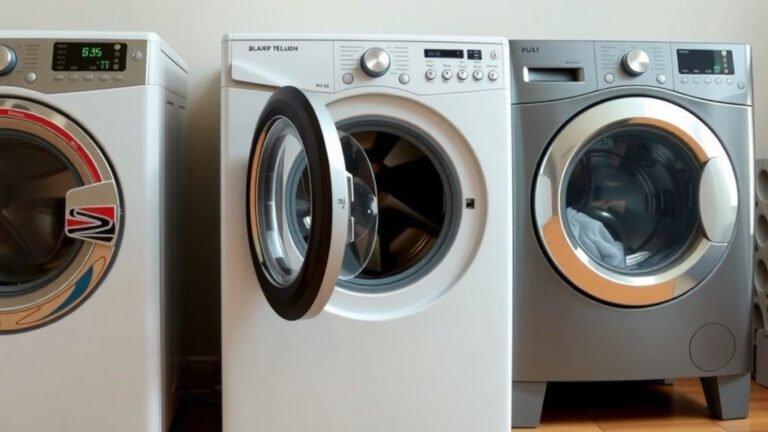
Why Washer Dryer Combos Don’t Work as Well
You might be wondering why washer and dryer combos aren’t more common. The main reason is that separating these two appliances allows for more powerful performance and better clothes care. While combined units exist, they often compromise on drying capacity and speed.
Many people dream of a space-saving appliance. Combined units offer that convenience but typically require longer drying times. They also can lead to over-drying your clothes because the drum is small. We found that this trade-off often isn’t worth the potential laundry day headaches.
- Combined units exist but aren’t as effective.
- They often have smaller capacities for drying.
- Drying cycles can be much longer.
- Clothes may not get as clean or dry.
- Separate units offer better overall performance.
Let’s walk through exactly why separate washers and dryers are the standard and what makes them work so well.
Understanding Why Separate Washer and Dryer Units Remain the Standard
You might be thinking, “Why don’t I see more washer and dryer combos everywhere?” It’s a fair question! While they sound like a dream for small spaces, research and consumer experience consistently point to separate units for a reason. They simply work better. Let’s dive into what makes these individual appliances shine and why the combo unit often falls short.
The Power and Performance Difference
The biggest factor separating these appliances comes down to raw power and how they handle water and heat. Think of it like this: could a single tool do the job of a specialized hammer and a specialized screwdriver equally well? Probably not.
Washing: More Than Just Spinning
Washing clothes involves a lot of water. Your washer needs to be designed to hold a substantial amount of water, agitate clothes effectively, and then spin them at high speeds to extract that water. This high-speed spin is crucial. It removes most of the moisture, making the drying process faster and more efficient.
Separate washers are built with robust motors and sturdy drums to handle the forces involved in washing and spinning. They are engineered for this specific task. We found that this focused design leads to cleaner clothes and better preparation for the next step.
Drying: Harnessing Heat and Airflow
Drying clothes is a completely different beast. It requires significant heat and excellent airflow to evaporate the remaining moisture from fabrics. Your dryer needs a powerful heating element and a ventilation system that can efficiently move hot, moist air out of the drum and your home.
A separate dryer is designed with these needs in mind. It can generate high temperatures and maintain consistent airflow for effective drying. This dedicated approach means your clothes get dry quickly and evenly, reducing the risk of mildew or damage from prolonged tumbling in heat.
Capacity Matters for Your Laundry Load
When we talk about capacity, we’re not just talking about fitting more clothes in. It’s about having enough space for clothes to tumble freely during both washing and drying cycles. This tumbling action is key to getting clothes clean and then drying them without creating dense, hard-to-dry clumps.
Washing Capacity vs. Drying Capacity
Washers are often larger than their corresponding dryers, or at least designed to handle a full load of wet clothes. This is because wet clothes are heavier and take up more space. You need room for water and for the clothes to move around.
The challenge with combo units is that they have to accommodate both functions within a single, often smaller, drum. This means the drying capacity is almost always significantly less than the washing capacity. You might be able to wash a full load, but you’ll have to split it into multiple drying batches. We found that this halves your effective drying capacity, extending your laundry day.
The “Wet Clothes Expansion” Factor
Here’s a little laundry secret: wet clothes take up more space than dry ones. Imagine a fluffy towel after it’s been soaked. It becomes dense and heavy. A washer drum is sized to handle this expanded wet state.
A combo unit, designed to wash a certain amount, often struggles to dry that same amount effectively. The drum simply isn’t large enough for the dry clothes to fluff up and tumble freely during the drying cycle. This leads to longer drying times and sometimes, clothes that are still damp.
The Trade-Offs of Combined Units
It’s true that washer-dryer combos offer a compelling benefit: space-saving convenience. For apartments or tiny homes, they can be a lifesaver. However, we found that this convenience often comes with significant compromises in performance and efficiency.
Extended Drying Times
Because of the smaller drying capacity and the nature of how these units operate, drying cycles can take a very long time. Some combo units can take 3, 4, or even more hours to complete a wash-and-dry cycle. Compare that to a separate dryer, which might take 45-60 minutes for a similar load.
This prolonged exposure to heat and tumbling can be tough on your fabrics. Over time, your clothes might wear out faster. It’s like running a marathon at a snail’s pace; it gets there eventually, but it’s not the most efficient or gentle way.
Potential for Over-Drying and Damage
We’ve heard from many users who report that their clothes come out of combo units feeling stiff or over-dried, even after long cycles. This happens because the unit is trying to ensure everything is dry, often without the sophisticated moisture sensors that separate dryers have. It may not be able to accurately detect when the load is done.
This can lead to excessive wear and tear on your garments. Fibers can become brittle, colors can fade more quickly, and delicate items are at a higher risk of damage. It’s a delicate balance, and combo units often tip the scales toward over-drying.
Energy and Water Efficiency Concerns
While it might seem like one unit would use less energy, that’s not always the case. The extended drying times mean the heating element is running for much longer periods. Additionally, some combo units don’t vent externally, meaning they use condensation drying, which can be less energy-efficient and add humidity to your laundry room.
We found that when you factor in the longer cycle times and potential for needing to re-dry items, the energy savings are often minimal or even negative compared to using separate, efficient appliances. Some research suggests that separate, modern washers and dryers can actually be more energy-efficient per load.
When a Combo Unit Might Still Make Sense
Despite the drawbacks, we understand that sometimes space is the absolute top priority. If you live in a very small apartment, a studio, or a place where installing separate machines is impossible, a washer-dryer combo is still an option to consider.
Prioritizing Space Over Speed
In these situations, the trade-off of longer drying times and smaller loads might be acceptable for the convenience of having laundry facilities at home. It’s about weighing your needs. If having *any* laundry capability in your home is the goal, a combo unit can fulfill that.
Many experts suggest that if you do opt for a combo unit, be prepared to adapt your laundry habits. You might need to wash smaller loads more frequently and accept that drying will take significantly longer. Reading reviews for specific models is also key, as performance can vary.
Key Takeaways for Your Laundry Room Decision
Choosing between separate units and a combo is a decision that impacts your daily life and the care of your clothes. Understanding the functional differences helps you make the best choice for your home.
- Separate units generally offer superior cleaning and drying power.
- Combo units often have reduced drying capacity compared to washing.
- Drying cycles in combos can be substantially longer.
- The risk of over-drying and fabric damage is higher with combos.
- For most homes, separate washers and dryers provide better performance and clothes care.
| Feature | Separate Washer & Dryer | Washer-Dryer Combo |
|---|---|---|
| Washing Power | High | Good |
| Drying Power | High | Moderate to Low |
| Drying Speed | Fast (45-60 mins) | Slow (3-6+ hours) |
| Capacity (Drying) | Full Washer Load | Often 1/2 to 1/3 of Washer Load |
| Clothes Care | Excellent | Fair to Good (risk of over-drying) |
| Space Needed | More | Less |
| Energy Efficiency | Generally Good (modern units) | Variable (long cycles can increase usage) |
Ultimately, while the idea of a do-it-all appliance is appealing, the reality is that specialized tools often perform best. For your laundry needs, separate machines are usually the way to go if space allows. We’ve found that most people who switch from a combo unit to separate machines are delighted with the improved performance.
Conclusion
You’ve seen why separate washers and dryers are the champions of your laundry room. While combo units offer a space-saving appeal, their performance often means longer waits and more wear on your clothes. We’ve found that investing in separate machines typically means cleaner clothes and faster cycles. This allows for better fabric care and a more efficient laundry day. If your space allows, opt for separate units for the best results. Take a look at your laundry space and decide if a combo unit truly fits your needs, or if you’d benefit more from dedicated appliances.
Frequently Asked Questions
How much longer do combo washer-dryers actually take to dry clothes?
Combo units can take significantly longer to dry, often running 3 to 6 hours for a full wash and dry cycle. Separate dryers typically complete a load in under an hour. This prolonged drying time is a major drawback of combined appliances.
Can a washer-dryer combo damage my clothes?
Yes, there’s a higher risk of damaging clothes with combo units. The extended drying times and potential for over-drying can make fabrics stiff, brittle, and cause colors to fade faster. They often lack the precise moisture sensors found in separate dryers.
Are washer-dryer combos less energy efficient?
They can be, due to the much longer drying cycles. Even though it’s a single appliance, the heating element runs for many more hours. Some models also use condensation drying, which isn’t always as efficient as vented dryers.
Is a washer-dryer combo ever a good idea?
A combo unit can be a good idea if extreme space limitations are your primary concern. For tiny apartments or studios where installing separate machines is impossible, they offer basic laundry functionality at home.
Why do combo units have such small drying capacities?
The drum in a combo unit has to accommodate both washing and drying. Wet clothes are heavier and take up more space than dry ones. To dry effectively, clothes need room to tumble freely, so the drying capacity is always smaller than the washing capacity in these units.
![7 What Is The Best Small Washer And Dryer [In 2026]](https://homeunderstandable.com/wp-content/uploads/2026/08/7-what-is-the-best-small-washer-and-dryer-in-2026-featured-768x432.jpg)