Portable Air Compressor Lifespan: What to Expect
A portable air compressor can last anywhere from 5 to 15 years, with many factors influencing its lifespan. Regular maintenance and proper usage are key to maximizing its longevity. You can expect a higher quality unit to perform well for a longer duration.
The actual lifespan depends on how often you use it and the type of compressor The type of compressor, like its cylinder count, can affect its overall durability and lifespan. you own. Things like the motor’s power and the overall build quality play a big role. We’ve found that users who prioritize care often see their compressors outlast the average.
- 5-15 years is the typical range for portable air compressors.
- Usage frequency significantly impacts how long it lasts.
- Maintenance is the biggest factor in compressor longevity.
- Quality matters; better-built units generally last longer.
Below, we’ll break down what makes a portable air compressor last longer and what you can do to get the most out of yours.
How Long Can You Expect Your Portable Air Compressor to Last?
So, you’re wondering about the shelf life of your trusty portable air compressor. It’s a fair question, especially when you’ve invested in one. We’ve found that most portable air compressors can serve you well for a good **5 to 15 years**. Of course, this isn’t a hard and fast rule set in stone. Several factors come into play, much like how a car’s lifespan depends on how you drive it and how often you change the oil.
Factors Affecting Your Compressor’s Lifespan
Think of your portable air compressor like any other piece of equipment. Its longevity is directly tied to how you treat it and the kind of unit you have. We’ve seen that regular care is the absolute best way to ensure it keeps chugging along for years to come. Ignoring it? Well, that’s a recipe for an early retirement for your compressor.
Usage Frequency: The Engine’s Best Friend (or Worst Enemy)
This is perhaps the biggest variable. How often do you pull out that compressor? If you use it daily for a professional job, it’s going to wear down much faster than if you use it just a few times a year for DIY projects. We found that heavy, continuous use can put **significant strain** on the motor and other components. Think of it like running a marathon versus a casual jog – the marathon runner’s body experiences much more wear and tear.
Type of Air Compressor Matters
Not all portable air compressors are created equal. There are different types, and some are simply built to last longer. We generally see that oil-lubricated compressors tend to have a longer lifespan than their oil-free counterparts. Why? The oil acts as a natural lubricant, reducing friction and heat. This means less wear on the internal parts.
Oil-Lubricated vs. Oil-Free: A Quick Look
Oil-free compressors are often lighter and require less maintenance in terms of oil checks. However, they tend to be noisier and run hotter. This higher operating temperature can sometimes lead to a shorter lifespan, especially under heavy use. Oil-lubricated compressors, while needing more attention with oil top-ups, often run cooler and smoother. Many experts say this can translate to a more durable unit over time.
Motor Power and Design
The heart of your compressor is its motor. A more powerful motor, especially one designed for continuous duty, will generally hold up better than a smaller motor constantly being pushed to its limits. We’ve found that compressors with higher horsepower ratings and robust motor designs often demonstrate superior longevity. It’s like choosing an engine for a truck versus a compact car – you need the power for the job.
Build Quality and Materials
This is where you see the difference between a budget buy and a premium tool. The quality of materials used in construction plays a huge role. Are the pump components made of durable cast iron or cheaper plastic? Is the housing sturdy and protective? We found that manufacturers who invest in high-grade materials and solid construction typically produce compressors that can withstand more abuse and last longer.
Your Role in Compressor Longevity: Maintenance is Key
You have a lot of control over how long your compressor lasts! Think of yourself as the mechanic for your tool. Simple, consistent maintenance can make a world of difference. We found that following the manufacturer’s recommendations is the **best starting point** for any maintenance routine.
Regular Cleaning and Inspection
Dirt and debris are the silent killers of machinery. You should regularly clean the exterior of your compressor. Pay special attention to air filters. A clogged filter restricts airflow, making the motor work harder and hotter. We recommend checking and cleaning or replacing the air filter **at least once a month**, or more often if you work in dusty environments.
Oil Checks (for Oil-Lubricated Models)
If you have an oil-lubricated compressor, keeping an eye on the oil level is non-negotiable. Low oil levels mean **increased friction and wear**. Consult your manual for the correct type and amount of oil. We found that changing the oil periodically, as suggested by the manufacturer, is also vital for removing contaminants and keeping the internal parts well-lubricated.
Proper Storage
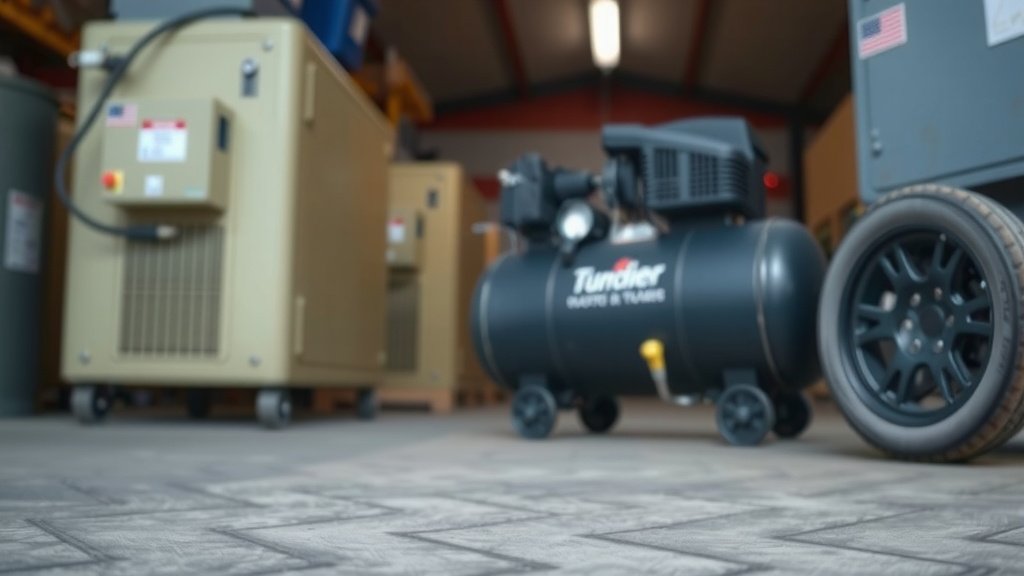
Where you store your compressor when it’s not in use also matters. Ideally, it should be kept in a **clean, dry place**. Extreme temperatures, humidity, and dust can all contribute to premature wear and tear. Protecting it from the elements ensures it’s ready to go when you need it, and it prevents rust or corrosion from forming.
Avoiding Overuse and Overheating
Pushing your compressor beyond its intended use can drastically shorten its life. If a task requires a continuous-duty compressor and you’re using a lighter-duty model, you’re asking for trouble. Be mindful of its **duty cycle**, which is the percentage of time it can run within a given period. Letting it cool down when it gets too hot is also a smart move.
A Quick Checklist for Maximum Compressor Life
Want to boil it down to the essentials? Here’s a quick checklist to help you maximize your portable air compressor’s lifespan:
- Check oil levels regularly (if applicable).
- Clean or replace air filters frequently.
- Keep the unit clean and free of dust.
- Store it properly in a dry, protected area.
- Listen for unusual noises – they often signal a problem.
- Don’t overwork the compressor; respect its duty cycle.
| Factor | Impact on Lifespan | What You Can Do |
|---|---|---|
| Usage Frequency | High use = shorter life | Use as needed; allow cool-down periods |
| Maintenance Schedule | Poor maintenance = shorter life | Follow manufacturer’s guidelines for cleaning & oiling |
| Type of Compressor | Oil-lubricated generally lasts longer | Consider this when purchasing |
| Environmental Conditions | Dusty/humid = faster wear | Store in a clean, dry place; clean filters often |
| Build Quality | Cheaply made = prone to failure | Invest in a reputable brand with good materials |
By understanding these points and applying consistent care, you can significantly extend the functional life of your portable air compressor. It’s an investment, and like any good investment, a little attention goes a long way.
Conclusion
You’ve learned that your portable air compressor’s lifespan is largely in your hands, typically ranging from 5 to 15 years. We’ve found that consistent maintenance, choosing the right type of compressor for your needs, and avoiding overuse are your best strategies. By treating your compressor with care and following basic upkeep steps like cleaning filters and checking oil, you’ll keep it running reliably for a long time.
So, make a commitment today: pick one small maintenance task, like checking your air filter, and add it to your regular routine. Your compressor will thank you by performing when you need it most!
Frequently Asked Questions
Can I extend the life of an older portable air compressor?
Yes, you absolutely can! Focus on consistent cleaning, ensuring proper lubrication (if applicable), and avoiding tasks that push it beyond its limits. Even older units can perform well for years longer with dedicated care.
Is an oil-free compressor really less durable than an oil-lubricated one?
Research and user experience suggest that oil-lubricated compressors often have a longer lifespan due to reduced friction and heat. Oil-free models can be great for portability and low maintenance, but they might wear out faster with heavy, continuous use.
What’s the most common reason a portable air compressor fails early?
We’ve found that neglecting basic maintenance, especially clogged air filters and insufficient oil levels in lubricated models, is the most frequent culprit behind premature compressor failure. Overworking the unit is also a major factor.
How often should I check the air filter on my portable compressor?
For general use, checking your air filter at least once a month is a good practice. If you’re working in dusty or dirty environments, you should inspect and clean or replace the filter much more frequently, perhaps even after each use.
Does storing my portable air compressor in a garage affect its lifespan?
It can, depending on the garage conditions. Storing it in a clean, dry, temperature-stable environment is best. Extreme humidity or dust can lead to corrosion or internal damage, shortening its life. Protect it from the elements.