How Many Plants to Purify Air in Your Room
So, you’re wondering how many plants you need to actually clean the air in your room? While there’s no magic number, research suggests you’ll need quite a few to make a noticeable difference. Think more along the lines of 15-20 good-sized plants for a typical room, not just one or two. Don’t let that number scare you off, though!
It’s easy to think a couple of leafy friends can do the trick, but for effective air purification, quantity matters. The goal is to remove common indoor pollutants like formaldehyde and benzene. Many studies point to a substantial number of plants working together to truly impact air quality.
TL;DR:
- A single plant won’t drastically clean your room’s air.
- You likely need 15-20 plants for a noticeable effect.
- Plant size and species also play a big role.
- Air purification is a slow process, even with many plants.
Below, we break down what the research really says about houseplants and air quality, so you can decide what’s best for your space.
How Many Plants for Fresher Indoor Air?
You’re probably wondering if a couple of cute little succulents on your windowsill can really make a difference in your home’s air quality. It’s a common thought, and honestly, it’s not quite that simple. While plants are amazing, cleaning the air is a more involved process than many realize.
The truth is, the idea that one or two houseplants can significantly purify the air in a room is largely a myth. We’re talking about needing a much larger green army than you might imagine to see a real change.
The NASA Study: A Starting Point, But With Caveats
You might have heard about the famous NASA study from the 1980s. This research looked at how plants might help purify the air in space stations. It found that certain plants could remove common toxins like formaldehyde, benzene, and trichloroethylene from enclosed environments.
These are chemicals we often find in our homes, coming from things like furniture, cleaning supplies, and building materials. So, the study definitely showed potential for plants to help clean up our air!
Understanding the Study’s Limits
Here’s where it gets a bit tricky. That NASA study was conducted in sealed laboratory chambers, not in a typical home or office. Think of it like a very small, airtight terrarium.
In these controlled settings, the air exchange rate was very low. This means the air wasn’t moving much, so the toxins were concentrated near the plants. This allowed the plants to show their air-purifying power more effectively.
In a real-world room, air is constantly circulating. You open doors, windows, and have HVAC systems running. This dilutes the pollutants, making it much harder for a plant to absorb them at a significant rate.
Translating Lab Results to Your Living Room
So, how does this translate to your actual home? Researchers have tried to estimate how many plants you’d need in a normal room setting. The numbers can be quite high.
Some calculations, based on the NASA findings and typical room sizes, suggest you might need anywhere from 15 to 20 good-sized plants to make a noticeable impact. And we’re not talking about tiny desk plants here; think of plants with a decent leaf surface area.
Why so many? Each plant can only absorb so much. To remove a substantial amount of toxins from a whole room, you need a lot of plant power working together.
Size and Species Matter More Than You Think
Not all plants are created equal when it comes to air purification. Some are simply more efficient than others at absorbing certain toxins.
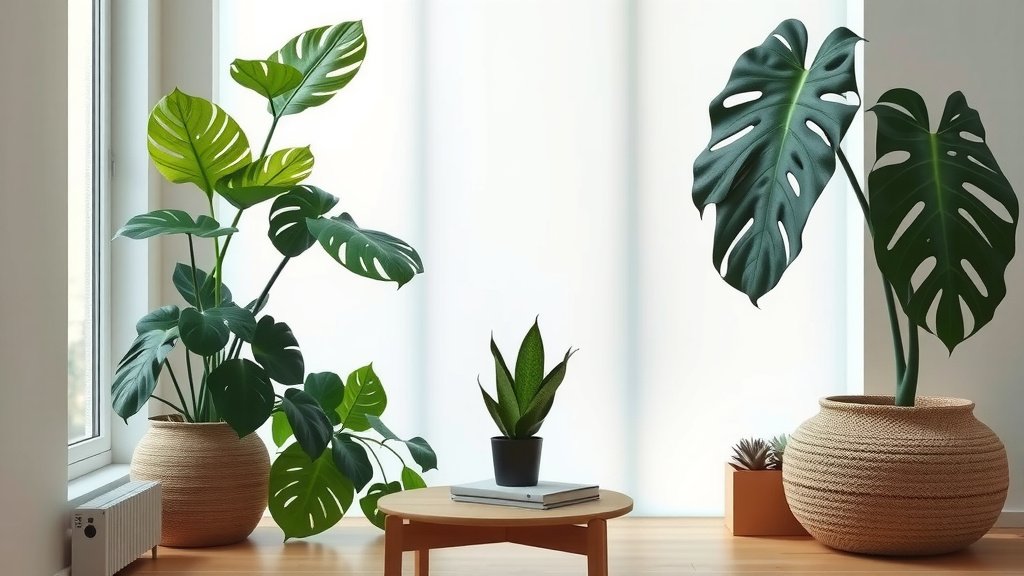
For example, plants with larger leaves or more of them tend to perform better. We’re talking about plants like the Spider Plant, Snake Plant, and Peace Lily, which are often cited for their air-cleaning potential. These plants have a greater surface area for absorbing airborne compounds.
The rate of transpiration also plays a role. This is the process where plants release water vapor, and it’s linked to how they absorb gases. Plants that transpire more can potentially move more air through their systems, filtering more toxins.
The Slow and Steady Pace of Plant Purification
Even with a room full of plants, it’s important to have realistic expectations. Plants don’t instantly zap pollutants out of the air. It’s a gradual process that happens over time.
Think of it like a slow-acting filter. The toxins are absorbed, and then they are metabolized by the plant. This takes time and requires the plant to be healthy and actively growing.
This means that for noticeable improvement, you’re looking at a consistent, ongoing effort. It’s not a one-time fix; it’s about maintaining a healthy indoor environment with the help of your green companions.
What About Ventilation? It’s Key!
Many experts agree that while plants can contribute to better air quality, they are not a substitute for good ventilation. Opening windows is one of the most effective ways to refresh your indoor air.
Bringing in fresh outdoor air helps dilute and remove indoor pollutants. Even the best plant collection can’t compete with the power of simply opening a window for a bit each day (when outdoor air quality is good, of course!).
The U.S. Environmental Protection Agency (EPA) highlights that improving ventilation is a primary strategy for reducing indoor air pollution.
Your Indoor Air Quality Checklist
So, if you’re looking to truly improve your indoor air, consider these steps. Plants can be a wonderful part of the solution, but they work best as part of a larger strategy.
- Ventilate regularly: Open windows and doors to let fresh air in.
- Choose the right plants: Opt for species known for air purification with large leaf surface areas.
- Get enough plants: Aim for a good number of plants, potentially 15-20 for a standard room.
- Keep plants healthy: Ensure they get proper light, water, and nutrients to function well.
- Control pollution sources: Reduce the use of harsh chemicals and opt for natural alternatives.
- Consider other purifiers: Look into HEPA filters for a more direct and powerful air cleaning solution.
Are Houseplants Enough on Their Own?
To be perfectly honest, relying solely on houseplants to purify your entire room’s air is likely going to lead to disappointment. The scientific consensus suggests that the number of plants needed for a significant effect is simply not practical for most homes.
It’s wonderful to have plants for their beauty, mood-boosting properties, and the small contributions they make to air quality. But if your primary goal is substantial air purification, you’ll need to combine them with other methods.
Think of your plants as a lovely support system for your indoor air. They add a natural touch and do help, just not in the dramatic way you might have heard. For a truly clean breath of air, a multi-pronged approach is your best bet.
A Realistic Look at Plant Power
Let’s think about it this way: imagine trying to filter a swimming pool with a teacup. That’s a bit like expecting one or two houseplants to clean the air in a large room. The scale is just too different.
The research generally points to a substantial plant density being required. This might mean filling your space with plants to a degree that could feel more like a jungle than a living room.
While that might sound appealing to some, for most people, it’s a bit much. It’s also important to remember that the effectiveness can vary greatly depending on the plant species, its size, and the specific pollutants present.
Considering Other Air Purification Methods
Since we’ve established that a forest of houseplants might be needed, it’s wise to consider other options. Air purifiers with HEPA filters are widely recommended by health organizations like the American Lung Association.
These devices are specifically designed to capture a wide range of airborne particles, including dust, pollen, mold spores, and even some bacteria and viruses. They offer a more direct and measurable way to improve air quality.
Combining houseplants with a good air purifier and regular ventilation can create a truly healthy indoor environment. It’s about using each tool for what it does best!
Conclusion
So, while a couple of plants are lovely for aesthetics and a small boost, they won’t magically purify your entire room. Research suggests you’d need a dense collection, perhaps 15-20 larger plants, to make a real difference. Remember, plants work slowly and are most effective in sealed environments, which isn’t typical for our homes. For genuinely fresher air, combine your green friends with regular ventilation and consider a good air purifier. Start by opening a window today and see how much better your space feels!
Frequently Asked Questions
How many plants do I *really* need for clean air?
To see a noticeable impact on air quality, research suggests you’d likely need around 15 to 20 larger plants in a standard room. This is to effectively absorb common indoor pollutants in a real-world setting where air circulates freely.
Are some plants better than others for air purification?
Yes, plant species and their size matter. Plants with larger leaves or more surface area, like Snake Plants and Spider Plants, are generally considered more effective. Their ability to absorb toxins is linked to their leaf size and transpiration rate.
Can one or two houseplants actually clean my air?
Unfortunately, no. The idea that a single plant or just a few can drastically clean the air in your home is largely a myth. The scale of air purification needed is much larger than one or two plants can provide on their own.
Is opening windows more effective than plants for air purification?
For immediate and significant air refreshing, ventilation is key. Opening windows regularly brings in fresh air and dilutes pollutants, which is far more effective than relying solely on plants for purification.
Should I still get houseplants if they aren’t major air purifiers?
Absolutely! Houseplants offer many benefits beyond air purification, like improving mood and adding natural beauty to your space. They contribute in small ways and make your home feel more vibrant and alive.