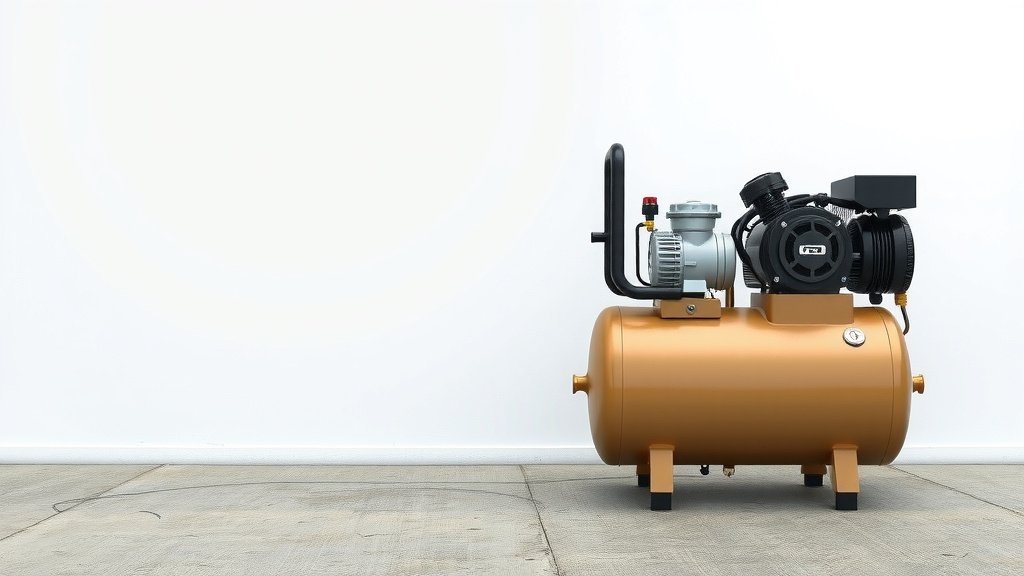
Air Compressor Voltage: How Many Volts Do You Need
The voltage an air compressor uses depends on its size and power. To understand compressor capabilities, learn about the difference between a 1 gallon vs 2 gallon air compressor.Most portable compressors run on 120 volts (V), just like your household outlets. Larger, more powerful shop compressors often require 240V, which is a higher power connection. Knowing this difference is key to choosing the right one for your needs.
So, how much power do you actually need? It’s not just about the voltage. You also need to consider the amperage (amps) and horsepower (HP). These factors determine how much air the compressor can deliver and for how long. We found that matching the compressor’s power requirements to your home’s electrical capacity is super important.
- Most small compressors use 120V.
- Bigger units often need 240V.
- Voltage works with amps and HP.
- Check your electrical panel’s capacity.
Let’s break down the voltages you’ll see and how to figure out what your air compressor needs. We’ll make sure you understand exactly what you’re plugging into.
Understanding Air Compressor Voltage Needs
So, you’re wondering how much electricity your air compressor needs to hum along happily? It’s a pretty common question, and the answer isn’t a simple one-size-fits-all. The voltage an air compressor uses really depends on the type and size of the unit you’re looking at. Think of voltage like the water pressure in your pipes; you need enough pressure for your faucet to work properly, and your compressor needs enough voltage to do its job effectively.
We’ve found that most everyday users will be dealing with one of two common voltages: 120V or 240V. Getting this right means your compressor will perform its best without tripping breakers or causing electrical headaches. Let’s break down what these numbers mean for your air compressor.
The Standard 120-Volt Air Compressor
If you’ve got a smaller, portable air compressor, chances are it runs on 120 volts (V). This is the same voltage that powers most of the appliances and electronics in your home, coming right out of your standard wall outlets. This makes 120V compressors super convenient for DIY projects, inflating tires, or powering air nailers on a job site.
Where You’ll Find 120V Compressors
You’ll typically see 120V compressors in a few main categories. These are your go-to options for casual use and lighter tasks:
- Portable Pancake and Hot Dog Styles: These are lightweight and designed for easy transport.
- Small Job Site Compressors: Many contractors use these for finish nailing or stapling.
- Inflator Pumps: Even some small inflator pumps designed for car tires or inflatable items run on 120V.
The beauty of 120V is its accessibility. You don’t need any special electrical work done in your garage or workshop. Just plug it into a standard outlet, and you’re usually good to go.
Understanding Amperage with 120V
While voltage is important, you also need to pay attention to the amperage (amps). A 120V compressor might draw anywhere from 7 to 15 amps, depending on its horsepower and how hard it’s working. We found that checking the amps is critical because it tells you how much current the compressor will pull from the outlet. A standard 15-amp household circuit can typically handle a 120V compressor drawing up to about 12 amps continuously. If you plug in a compressor that draws too many amps, you’ll likely trip the circuit breaker. It’s like trying to run too many appliances on one extension cord – something has to give!
Stepping Up to the 240-Volt Air Compressor
Now, if you’re looking at bigger, more powerful air compressors, you’re probably going to need a 240-volt (V) connection. These units are built for more demanding jobs and longer run times. Think of it as needing a bigger pipe to deliver more water pressure when you have a large swimming pool to fill. A 240V connection provides more power, allowing the compressor motor to run more efficiently and with less strain.
Who Needs a 240V Compressor?
These higher-voltage compressors are common in professional settings or for serious hobbyists who use their compressors frequently or for heavy-duty tasks. We found that common users include:
- Auto Mechanics: For powering impact wrenches, sanders, and grinders.
- Woodworkers: To run spray guns for finishing or power larger pneumatic tools.
- Industrial Shops: Where continuous use and high air demand are the norm.
A 240V compressor generally offers more horsepower and a higher cubic feet per minute (CFM) rating, meaning it can supply more air volume faster. This is essential when you need a tool to perform consistently without the compressor struggling to keep up.
What Electrical Setup is Needed for 240V?
Having a 240V compressor means you’ll likely need a dedicated 240V outlet installed by an electrician. These outlets look different from standard 120V outlets and are designed to handle the higher power draw. Many homes have a 240V connection already available for appliances like electric dryers or stoves. You’ll need to check your home’s electrical panel to see if you have the capacity for an additional 240V circuit. Most modern homes have a main panel capable of supporting both 120V and 240V circuits. Your electrician can assess this for you.
Amperage and Horsepower in 240V Systems
Even with 240V, amperage is still a key factor. Larger compressors might draw 15, 20, or even 30 amps on a 240V circuit. The higher voltage means that for the same amount of power (wattage), the amperage draw is lower compared to a 120V compressor. For example, a 240V compressor might draw 15 amps while a 120V compressor with similar horsepower might draw 30 amps. We found that this lower amperage on the 240V circuit reduces the likelihood of overheating wires and allows for longer runs of electrical cable without significant voltage drop.
| Voltage (V) | Typical Horsepower (HP) | Common Uses | Electrical Requirement |
|---|---|---|---|
| 120 | 0.5 – 2.5 HP | Tire inflation, nailing, stapling, small air tools | Standard household outlet (15-20A circuit) |
| 240 | 2.0 HP and up | Impact wrenches, spray painting, sandblasting, continuous industrial use | Dedicated 240V outlet (20A+ circuit) |
How to Determine Your Compressor’s Electrical Needs
So, how do you figure out what your specific air compressor needs? It’s usually printed right on the unit itself. Look for a data plate or a sticker typically found on the motor housing or the tank. This label will clearly state the required voltage, amperage, and horsepower.
If you’re buying a new compressor, this information will also be listed in the product specifications online or on the packaging. We recommend always checking these details before you purchase to ensure your home’s electrical system can support it. It’s like making sure you have the right fuel for your car – you don’t want to show up with the wrong kind!
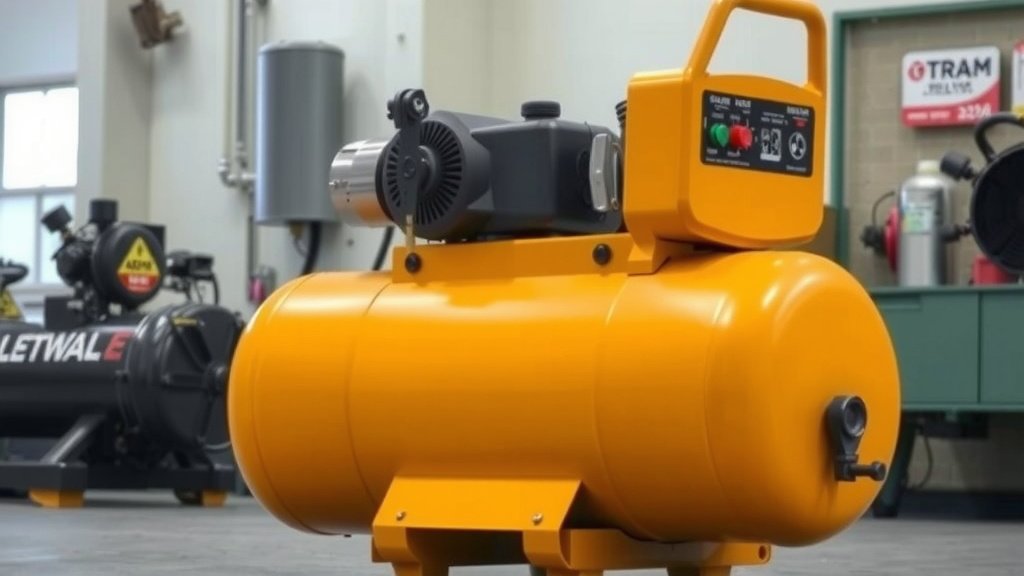
Matching Your Compressor to Your Home’s Power
This is where you need to be a bit of a detective about your own home’s electrical setup. The most important factor is your electrical panel and the amperage rating of the circuits you plan to use.
Checking Your Electrical Panel
Your electrical panel, often called a breaker box, is the central hub for your home’s electricity. Each breaker protects a specific circuit. You’ll need to identify if you have available 120V or 240V circuits with sufficient amperage capacity.
- For 120V compressors: Ensure the circuit you plan to use is rated for at least 15 amps, preferably 20 amps, and that it’s not already overloaded with other high-draw appliances.
- For 240V compressors: You’ll need a 240V double-pole breaker. These typically come in 20, 30, or even 50 amp ratings. Your compressor’s data plate will specify the exact amperage required.
Many experts suggest leaving a little buffer room – don’t push your circuit to its absolute maximum. We found that running a compressor at 80% of the breaker’s capacity is a good rule of thumb for safety and longevity.
When to Call a Professional
If you’re unsure about your electrical panel, how to identify breakers, or if you need a new 240V outlet installed, it’s always best to call a qualified electrician. Messing with electrical wiring can be dangerous if you don’t know what you’re doing. They can safely assess your needs, install the correct outlets, and ensure everything is up to code. This is one area where a small investment in professional help can prevent big problems down the road.
What About Other Voltages?
While 120V and 240V are the most common for consumer and professional air compressors, you might encounter other voltages in very specific industrial settings. For example, some large, heavy-duty industrial compressors could run on 480V or even higher voltages. These are typically found in factories and manufacturing plants where massive amounts of compressed air are needed continuously. For the average homeowner or small business owner, however, these higher voltages are not a concern.
The key takeaway is to always verify the specific requirements of your air compressor unit. The voltage is just one piece of the puzzle, but it’s a fundamental one for getting your compressor up and running correctly.
Quick Checklist Before You Plug In:
- Read the label: Always check your compressor’s data plate for voltage (V) and amperage (A) requirements.
- Know your outlet: Is it a standard 120V outlet or a specific 240V outlet?
- Check your breaker: Make sure the circuit breaker is rated for the amperage your compressor needs.
- Avoid overloads: Don’t plug your compressor into a circuit already running many other high-power devices.
- Extension cord safety: If you use an extension cord, ensure it’s heavy-duty and rated for the amps and voltage.
- When in doubt, call an electrician: For safety, always consult a professional if you’re unsure.
Conclusion
You’ve learned that your air compressor’s voltage needs are tied to its power and intended use. Most portable units tap into standard 120V household power, while beefier shop compressors require a 240V setup. We’ve stressed how understanding voltage, amperage, and horsepower, along with your home’s electrical capacity, prevents issues like tripped breakers or underperforming tools. Always check your compressor’s data plate before plugging in. If you’re unsure about your electrical system or need a new outlet, don’t hesitate to call a qualified electrician to ensure everything is safe and up to code.
Frequently Asked Questions
Can I use a 240V air compressor on a 120V outlet?
No, you absolutely cannot. Plugging a 240V air compressor into a 120V outlet will not work and could damage the compressor’s motor. These units require the higher voltage provided by a dedicated 240V circuit and outlet.
What happens if I use an extension cord that isn’t rated for my air compressor?
Using an underrated extension cord can cause a fire hazard or damage your compressor. If the cord can’t handle the required amperage, it can overheat, melt, or not deliver enough power, causing the motor to struggle or fail.
How do I know if my home’s electrical panel can handle a 240V air compressor?
You’ll need to check your electrical panel for an available 240V double-pole breaker. We found that it’s best to consult a qualified electrician who can assess your panel’s total capacity and determine if adding a new 240V circuit is feasible and safe for your home’s wiring.
Does horsepower directly determine the voltage my air compressor needs?
Horsepower is closely related but doesn’t solely dictate voltage. Generally, higher horsepower compressors (2 HP and above) require 240V for efficient operation, while lower HP units (under 2 HP) often run on 120V. Always verify the voltage listed on the compressor’s data plate.
Can I run my air compressor on a shared circuit with other appliances?
You can, but it’s not always recommended for high-draw appliances. For 120V compressors, plugging them into a circuit already handling other power-hungry items like microwaves or heaters increases the risk of tripping the breaker. We found it’s safer to use a dedicated circuit if possible.