
How Much Laundry Fits in Your Front Load Washer
Yes, you can put quite a bit in your front load washer, but it’s a balancing act. Don’t overload it, or your clothes won’t get clean, and you could damage the machine. Aim for a loose load that lets water circulate freely.
Knowing how much to load prevents common washing woes. Overfilling means soapy residue and dingy fabrics. Underfilling wastes water and energy. Getting it right means cleaner clothes and a happier washer, saving you time and money.
- Don’t stuff your front loader completely full.
- A loose load is key for effective washing.
- Overloading can lead to poor cleaning and damage.
- Check your washer’s manual for specific weight limits.
- Too little water means wasted energy.
Let’s walk through exactly how to determine the right amount for your laundry loads, ensuring everything comes out sparkling clean!
How Much Laundry Can Your Front Load Washer Handle?
You’re probably wondering how much you can realistically stuff into your front load washer. It’s a common question, and the answer is usually more than you think, but with important caveats!
Think of your front loader like a gentle but firm dance partner. It needs a little room to move and groove. Too many clothes, and the dance gets sloppy, and nothing comes out looking its best. We’ll help you figure out the sweet spot.
Understanding Your Front Load Washer’s Capacity
Front load washers are generally more efficient than their top-loading counterparts. They use less water and energy. But this efficiency comes with specific loading rules you need to follow.
The Importance of Water Circulation
Unlike older top-loaders that filled completely with water, front loaders tumble clothes through a smaller amount of water. This tumbling action is what cleans your clothes. For this to work effectively, water needs to flow freely around every item.
If your drum is too full, the clothes at the center won’t get enough water. They’ll just get tossed around. This means soapy residue might stay on your clothes, and they won’t get truly clean. You might even end up with streaks of detergent.
Visual Cues for a Perfect Load
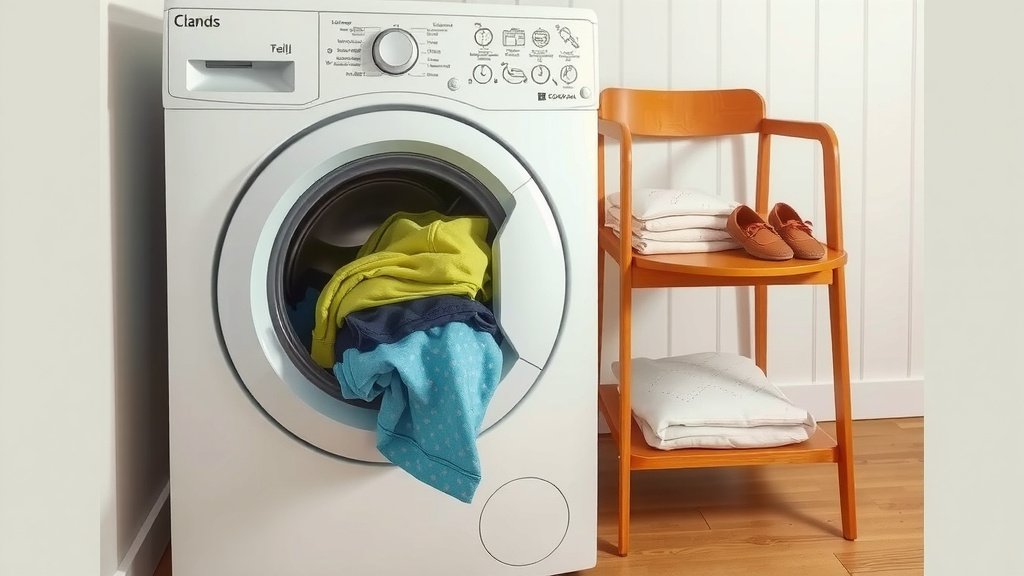
One of the best ways to judge is by looking at the load. You want to be able to see the top of the drum. Imagine you could easily place a hand flat on top of the clothes. If you can’t see any space, it’s likely too full.
Another handy tip is the “fist test.” After you’ve loaded your clothes, try to push down into the center of the load. If you can easily fit your fist in the remaining space, you’re probably good to go. If it feels really packed and dense, you’ve likely added too much.
Weight vs. Volume: What’s the Real Limit?
While volume (how much space the clothes take up) is easier to gauge visually, many manufacturers also provide weight limits. This is especially important for heavier items.
Why Weight Matters for Some Items
Think about a load of towels or heavy denim jeans. These items can absorb a lot of water and become quite heavy. Even if the load doesn’t look completely packed, the weight could strain your machine’s motor and drum. This is where checking your manual becomes extra useful.
We found that a typical 4.0 cubic foot washer might have a weight limit around 10-12 pounds for regular laundry. However, this can vary greatly. For bulky items like comforters, the weight limit might be lower, or the manufacturer might recommend a specific cycle for them.
Where to Find Your Washer’s Specifics
Your owner’s manual is your best friend here. It will tell you the maximum capacity, both by volume and sometimes by weight. If you’ve lost your manual, a quick search online for your washer’s model number should bring it right up.
Don’t underestimate the power of that little booklet. It contains all the manufacturer’s recommendations for optimal performance and longevity. It’s the most reliable source for your specific machine.
Common Mistakes to Avoid with Front Loaders
It’s easy to fall into bad habits when doing laundry. Here are a few things to watch out for with your front load washer.
The “Just Throw It All In” Approach
We get it; you want to get laundry done quickly. But cramming everything in is the biggest mistake. It leads to poor cleaning results and can put undue stress on your machine. Remember, a clean machine means cleaner clothes!
Forgetting About Bulky Items
Large, bulky items like blankets, comforters, or sleeping bags need special attention. They can unbalance the drum, even in small loads. Many front loaders have specific “Bulky” or “Comforter” cycles designed to handle these items safely. Always check your manual before washing them.
Using Too Much Detergent
Front loaders use less water, so they also need less detergent. Too much soap creates excess suds. These suds can prevent clothes from rubbing against each other effectively and can leave residue. Many HE (High-Efficiency) detergents come with clear measuring lines to help you get it right.
A Quick Checklist for Perfect Loads
To make things super simple, here’s a quick checklist:
- Check the manual: Always consult your washer’s guide.
- Visualize the space: Leave about a fist-sized gap at the top.
- Consider item weight: Heavy items mean smaller loads.
- Don’t overstuff the drum: Clothes need room to tumble.
- Use the right detergent amount: Less is often more!
- Select the correct cycle: Especially for bulky items.
Following these simple guidelines will help ensure your front load washer runs efficiently and that your clothes come out clean and fresh after every wash. Happy washing!
Conclusion
You’ve learned that loading your front load washer correctly is more about smart strategy than just filling it up. Remember, a loose load is your goal, allowing water to circulate freely for a truly clean wash. This means avoiding overstuffing and paying attention to both the visual cues and the weight of your laundry, especially for heavier items. By following these simple guidelines and always checking your owner’s manual, you’ll ensure your machine runs efficiently, your clothes come out spotless, and you save both time and money in the long run. Now, go ahead and give your front loader the right amount of space it needs to perform its best!
Frequently Asked Questions
How do I know if I’ve put too many clothes in?
The best way is a visual check. You should be able to see the top of the drum and easily fit your hand or a fist into the remaining space. If the drum looks completely packed with no visible space, it’s likely too full.
Can I wash a king-size comforter in my front load washer?
Many front load washers have specific cycles for bulky items like comforters. Always check your manual first, as these items can unbalance the drum. A general rule is that if the item can’t move freely and tumble, it’s too large.
Does the type of clothing matter for load size?
Yes, it does. Heavy items like towels, jeans, or blankets absorb more water and become significantly heavier. You’ll need to pack these loads much looser than you would with lighter fabrics like t-shirts or delicates.
What happens if I consistently overload my front load washer?
Overloading can lead to poor cleaning results, leaving behind detergent residue and dirt. It also puts unnecessary strain on your machine’s motor and drum, potentially shortening its lifespan and leading to costly repairs.
Should I fill the washer drum completely full if it’s an HE model?
No, even High-Efficiency (HE) front load washers require space for proper tumbling and water circulation. Filling the drum completely defeats the purpose of the tumbling action and can lead to the same issues as overloading any other washer.
![7 Best Stackable Front Load Washer Dryer [In 2026]](https://homeunderstandable.com/wp-content/uploads/2026/08/7-best-stackable-front-load-washer-dryer-in-2026-featured-768x432.jpg)