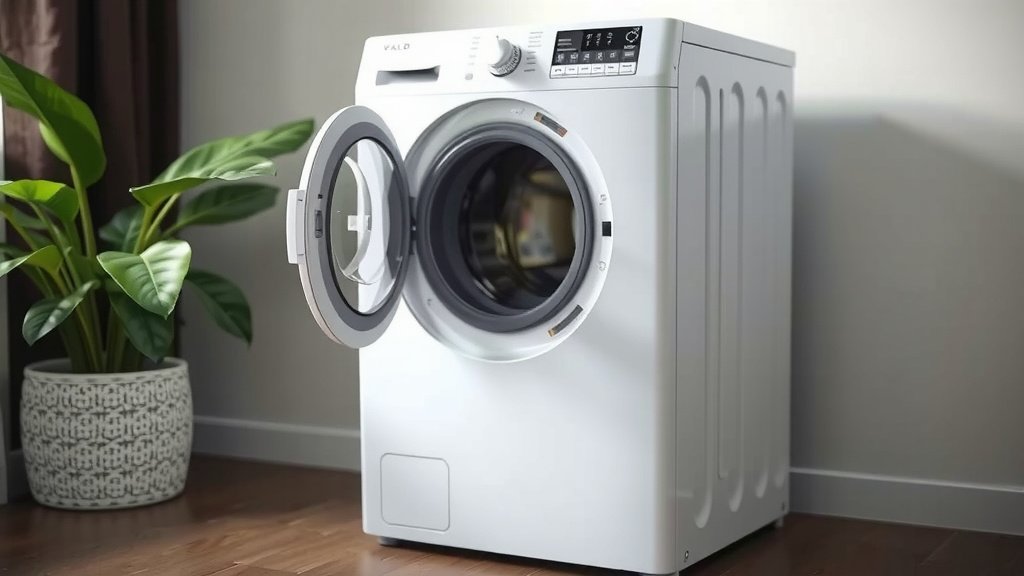
Choosing the Best Washing Machine: A 2026 Buyer’s Guide
Choosing the best washing machine involves considering your laundry needs, available space, and budget. You should look for features like load size, energy efficiency, and cycle options that match your lifestyle. A good washing machine makes laundry day much easier.
When you’re shopping, think about the types of clothes you wash most often. Do you have a lot of delicate items or bulky bedding? Understanding your laundry habits will help you pick a machine with the right capacity and wash settings. We found that many people overlook these details, leading to dissatisfaction later.
- Consider your laundry volume.
- Match features to your needs.
- Look for energy efficiency ratings.
- Don’t forget your budget.
- Think about space constraints.
Let’s walk through exactly how to pick the perfect washing machine for your home.
“`htmlFinding the Right Washing Machine for Your Home
Picking out a new washing machine can feel like a big decision. You want one that’s efficient and handles your laundry well. Let’s break down the key things to consider so you can make a smart choice.
Understanding Washing Machine Types
There are two main types of washing machines you’ll see: top-loaders and front-loaders. Each has its own set of pros and cons.
Top-Load Washing Machines
Top-loaders are generally more affordable upfront. They also tend to be quicker for a standard wash cycle. You can add clothes mid-cycle easily. This is a big plus if you often forget a stray sock! Many people are familiar with how they work.
Traditional Agitator Top-Loaders
These use a central post, called an agitator, to move clothes around. They’re known for being tough on stains. However, they can be harsher on fabrics. They also tend to use more water than other types. We found that they are a popular choice for families with heavy soil.
High-Efficiency (HE) Top-Loaders
These machines don’t have a central agitator. Instead, they use an impeller at the bottom of the drum. This allows for more space for clothes. They are gentler on fabrics and use less water and energy. Many guidelines suggest HE models are a good balance of performance and efficiency (Consumer Reports).
Front-Load Washing Machines
Front-loaders are often more energy-efficient. They use less water per load. Your clothes typically come out cleaner. They also spin faster, which means your clothes will be less wet. This can reduce drying time and save energy. Many research studies show they provide a deeper clean (Energy Star).
On the downside, they can be more expensive to buy. Wash cycles may also take longer. Some people don’t like bending down to load and unload. You can get pedestals to raise them, though.
Capacity: How Much Laundry Do You Actually Do?
The size of your household and your laundry habits will determine the best capacity. Think about what you wash most often. Do you do a lot of large loads? Or are you usually just washing for one or two people?
Standard vs. Large Capacity
A standard washing machine usually has a capacity of around 3 to 4 cubic feet. This is good for smaller households or for doing laundry more frequently. A large capacity machine can be 4.5 cubic feet or more. These are ideal for families with kids or for washing bulky items like blankets and comforters.
We found that choosing a slightly larger capacity than you think you need can be wise. It gives you flexibility for those occasional big laundry days. Just make sure it fits your space!
Energy Efficiency Matters
Washing machines use both electricity and water. Choosing an energy-efficient model can save you money on utility bills. It’s also better for the environment. Look for the ENERGY STAR label. These appliances meet strict energy efficiency guidelines set by the EPA.
Understanding Energy Labels
The yellow EnergyGuide label on appliances shows you their estimated yearly energy cost. Compare models using these labels. A machine with a lower estimated cost will likely save you money over time. Many experts say this is a key factor for long-term savings (U.S. Department of Energy).
Features and Cycles: What Do You Really Need?
Washing machines come with a wide array of features and wash cycles. It’s easy to get overwhelmed. Think about your daily laundry needs. What types of fabrics do you wash? Do you have specific stain challenges?
Common Wash Cycles Explained
Most machines offer basic cycles like Normal, Delicates, and Heavy Duty. Beyond that, you might find:
- Sanitize: Uses higher temperatures to kill germs. Great for bedding or baby clothes.
- Allergen: Designed to remove common allergens like dust mites and pet dander.
- Steam: Helps to reduce wrinkles and refresh clothes.
- Quick Wash: For lightly soiled items when you’re in a hurry.
- Bulky/Bedding: For large items that need extra space to move.
We found that specialized cycles can be very useful, but make sure they match your lifestyle. You don’t want to pay for features you’ll never use.
Smart Features and Connectivity
Some newer machines offer smart features. You can often connect them to your smartphone. This allows you to start or stop cycles remotely. You might also get notifications when a load is done. Some apps offer troubleshooting tips. Consider if these convenience features are worth the extra cost for you.
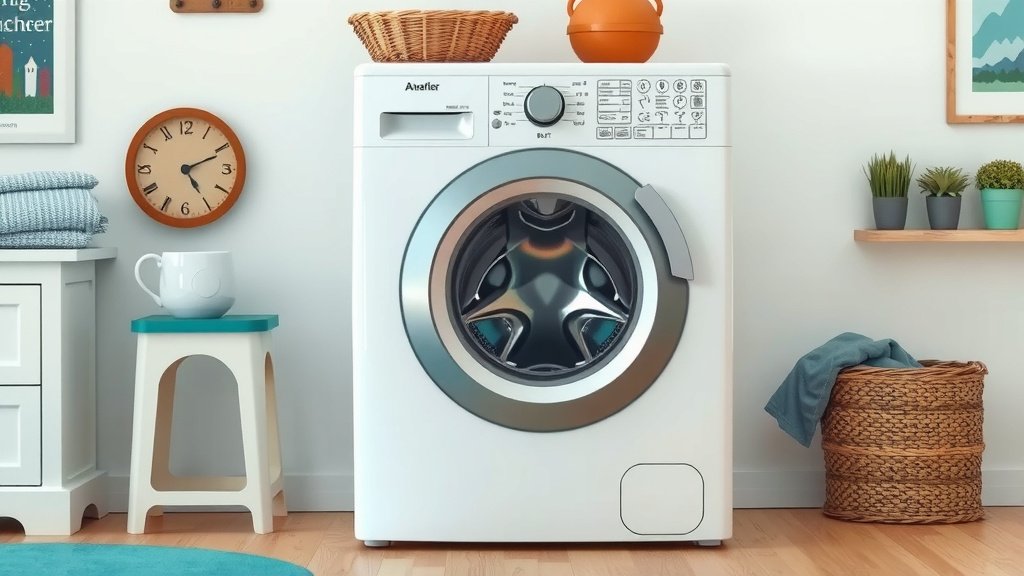
Budget: How Much Do You Want to Spend?
Washing machine prices can range from a few hundred dollars to over a thousand. Set a budget before you start shopping. Remember to factor in potential long-term savings from energy efficiency.
Balancing Cost and Quality
While a cheaper machine might seem appealing, it might not last as long. Or it might not clean your clothes as effectively. We found that investing a bit more in a well-regarded brand can often lead to better performance and durability.
Space and Installation Considerations
Measure the space where your washing machine will go before you buy. You need to account for the machine’s dimensions, plus space for hoses and ventilation. Make sure doorways are wide enough for delivery!
Compact and Stackable Options
If you live in a small apartment or have limited laundry space, look for compact or stackable models. Stackable units allow you to place a dryer on top of the washer. This is a great space-saving solution for many homes.
Quick Checklist for Choosing Your Washer
- Measure your space carefully.
- Decide between top-load and front-load.
- Determine the right capacity for your needs.
- Check ENERGY STAR ratings and compare energy use.
- Identify must-have wash cycles and features.
- Set a realistic budget.
Conclusion
You’ve learned how to pick the best washing machine for your home. By understanding washing machine types, capacities, and energy efficiency, you can make a smart choice. Think about the features and cycles you’ll actually use. Setting a budget and measuring your space are also key steps. You’re now ready to find a machine that makes laundry day a breeze.
Your next step is to measure your laundry space and start comparing models based on what you’ve learned today. Happy washing!
Frequently Asked Questions
How do I know what washing machine capacity I need?
Consider your household size and how often you do laundry. For smaller households, a standard 3-4 cubic foot capacity is often enough. Families or those washing bulky items like comforters should look for larger capacities, 4.5 cubic feet or more.
Are front-load washers always better than top-load washers?
Front-loaders are generally more energy-efficient and gentler on clothes, often providing a deeper clean. However, they can be more expensive and have longer cycle times. Traditional agitator top-loaders are often cheaper and faster but can be harder on fabrics and use more water.
What does ENERGY STAR certified mean for a washing machine?
ENERGY STAR certified washing machines meet strict energy efficiency guidelines set by the EPA. This means they use less energy and water than standard models. Choosing an ENERGY STAR machine can lead to lower utility bills and is better for the environment.
Are smart features on washing machines worth the extra cost?
Smart features, like smartphone connectivity for remote control and notifications, offer convenience. Whether they are worth the extra cost depends on your lifestyle and budget. If you value remote monitoring and control, they might be a good investment for you.
How much space do I really need for a washing machine installation?
Always measure your intended space, including the width, depth, and height. Also, ensure there’s enough room for hoses, ventilation, and for the door to open fully. Don’t forget to check that the machine can fit through doorways for delivery.