Air Compressor Electricity Usage: How Much Power Do They Need
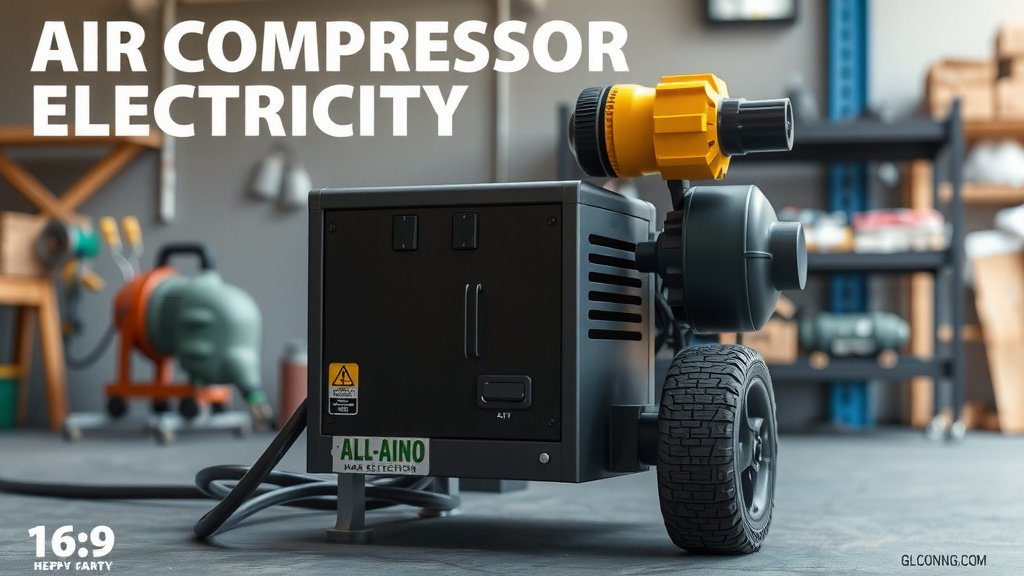
The amount of electricity an air compressor uses can vary widely, but most home compressors use between 200 and 500 watts when running, similar to a vacuum cleaner. Larger industrial units can use much more, drawing thousands of watts. Think of it like comparing a portable tire inflator to a heavy-duty construction compressor; their power needs are vastly different.
Understanding your air compressor’s energy consumption is key to managing your electricity bills. Factors like tank size, motor horsepower, and how often it cycles all play a big role. We found that even smaller compressors can add up if they run constantly, so knowing what influences their usage is half the battle.
TL;DR:
- Most home air compressors use 200-500 watts.
- Industrial units can use thousands of watts.
- Horsepower is a big factor in energy use.
- Tank size and run time also matter a lot.
- You can save money by understanding usage.
Let’s break down what influences your air compressor’s power draw and how you can keep an eye on its energy use.
Understanding Your Air Compressor’s Electricity Use
So, you’re curious about how much juice your air compressor is sipping. It’s a common question, and thankfully, not too difficult to answer. We found that understanding this can really help you manage your home’s energy bills.
The amount of electricity an air compressor uses isn’t a single, fixed number. It depends on several factors, kind of like how a car’s gas mileage changes based on how you drive it. But don’t worry, we’ll break down the main players.
Horsepower: The Engine’s Power
One of the biggest indicators of an air compressor’s energy draw is its horsepower (HP). Think of horsepower as the muscle behind the machine. More horsepower generally means more power is needed to run it.
For home use, you’ll often see compressors rated between 1 HP and 6.5 HP. A smaller, portable compressor might only have 1 to 2 HP. These are great for tasks like inflating tires or powering a brad nailer for small projects. They tend to be quite energy-efficient for their size.
Larger, stationary compressors, often used for garages or workshops, can range from 3 HP up to 10 HP or more. These units are designed for more demanding jobs. They’ll be using considerably more electricity to generate that extra power.
Watts vs. Horsepower: What’s the Difference?
It’s important to know that horsepower is a measurement of power, while watts measure electricity usage. They’re related, but not the same thing. You’ll often see both numbers on an air compressor’s label.
Roughly, 1 horsepower is equivalent to about 746 watts. However, this is a theoretical maximum. An air compressor’s actual wattage will depend on its efficiency and how hard it’s working. We found that a compressor’s listed HP is a good starting point for estimating its power needs.
Tank Size and Cycling: How Often Does It Run?
The size of your air compressor’s tank also plays a role, though indirectly. A larger tank means the compressor can store more compressed air. This allows it to run for longer periods before needing to cycle on and refill the tank.
So, while a 20-gallon tank doesn’t directly use more electricity than a 10-gallon tank, it might run less frequently. This can affect your overall energy consumption over time. It’s a trade-off between initial power draw and runtime.
Understanding the Duty Cycle
Many compressors have a “duty cycle” rating. This tells you how long the compressor can run within a given time period before needing to cool down. For example, a 50% duty cycle means it can run for 5 minutes out of every 10 minutes.
A higher duty cycle means the compressor is built to run more often. This implies it likely has a more powerful motor, which will use more electricity when it’s active. For heavy-duty tasks, you’ll want a compressor with a good duty cycle, but be prepared for higher energy usage.
Amps: Another Way to Measure Usage
You might also see the amperage (Amps) listed on your compressor. Amps measure the rate of electrical current flow. This is another useful metric for understanding power consumption.
The relationship between watts, volts, and amps is pretty straightforward: Watts = Volts x Amps. In the US, most standard household outlets provide 120 volts. So, if you see a compressor rated at 10 Amps, you can estimate its wattage by multiplying 10 Amps by 120 Volts, giving you 1200 watts.
We found that checking the amperage is a practical way to estimate usage if the wattage isn’t clearly marked. Just remember to use the correct voltage for your region.
Comparing Different Types of Compressors
The type of air compressor you have will also influence its energy needs. It’s not just about horsepower; design matters too.
| Compressor Type | Typical Wattage (Running) | Primary Use Cases |
|---|---|---|
| Portable Inflator | 50-150 Watts | Tire inflation, sports balls |
| Small Hobbyist Compressor | 200-750 Watts | Brad nailers, staplers, light airbrushing |
| Medium Workshop Compressor | 750-1500 Watts | Impact wrenches, sanders, paint sprayers |
| Large Industrial Compressor | 1500+ Watts (can be thousands) | Heavy-duty tools, continuous operation |
As you can see from the table, the range is quite broad. A tiny compressor for your car tires uses a fraction of the power of a compressor meant for a professional auto shop. Many experts suggest that for typical home DIY tasks, a compressor in the 500-1000 watt range is often sufficient.
Tips for Managing Your Air Compressor’s Electricity Use
Now that you have a better idea of what affects energy consumption, here are a few ways you can be more mindful of your compressor’s electricity use:
- Choose the Right Size: Don’t buy a monster compressor if you only need it for occasional tire inflation. Match the compressor’s power to your tasks.
- Maintain Your Equipment: A well-maintained compressor runs more efficiently. Keep filters clean and check for leaks.
- Use Tools Efficiently: Conserve air when possible. Don’t let the compressor run unnecessarily.
- Consider Off-Peak Hours: If your electricity rates vary, run your compressor during cheaper off-peak times.
- Check for Leaks: Even small leaks can make your compressor run more often, wasting energy. We found that fixing a leaky hose connection can make a noticeable difference.
By keeping these points in mind, you can ensure your air compressor serves you well without causing your electricity bill to spike unexpectedly. It’s all about making smart choices and being aware of how your tools work.
Conclusion
Understanding your air compressor’s electricity use doesn’t have to be complicated. We’ve seen that factors like horsepower, tank size, and how often it runs are the main drivers of its energy draw. Whether you have a small portable unit or a larger workshop model, being aware of these elements helps you manage your electricity costs.
The key takeaway is that matching the right compressor to your needs and maintaining it properly can make a real difference. Take a moment to check the label on your compressor to identify its horsepower and amperage. This simple step will give you a solid starting point for estimating its energy usage and making informed decisions going forward.
Frequently Asked Questions
How can I easily estimate my air compressor’s wattage?
You can often find the horsepower (HP) rating on your compressor’s label. As a general rule, 1 HP is roughly 746 watts. You can also look for the amperage (Amps) rating and multiply it by your home’s voltage (usually 120V in the US) to estimate watts (Watts = Volts x Amps).
Will a larger tank make my air compressor use more electricity?
A larger tank doesn’t directly use more electricity. Instead, it stores more compressed air, allowing the compressor to run less frequently. This can lead to lower overall energy consumption compared to a smaller tank that needs to refill more often.
Is there a way to make my air compressor more energy-efficient?
Yes, you can improve efficiency by ensuring your compressor is the right size for your tasks, maintaining it regularly, and fixing any air leaks. Using tools efficiently and avoiding unnecessary run times also helps conserve energy.
Do air compressors use a lot of electricity compared to other home appliances?
Most home air compressors use between 200-500 watts when running, which is comparable to many household appliances like vacuum cleaners or toasters. Larger, more powerful industrial units can consume thousands of watts, putting them in a higher energy-use category.
What does “duty cycle” mean for an air compressor’s electricity use?
The duty cycle indicates how long a compressor can run continuously before needing to cool down. A compressor with a higher duty cycle is built for more frequent use and likely has a more powerful motor, meaning it will consume more electricity when it’s active.