Central Pneumatic Air Compressor Cost Guide 2026
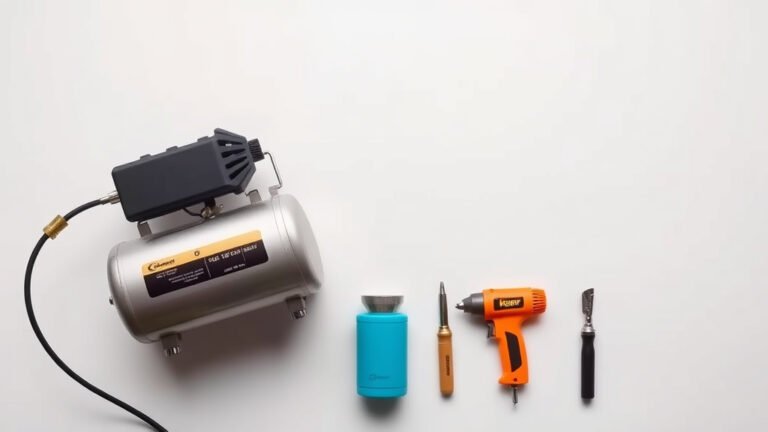
The cost of a Central Pneumatic air compressor can range from under $100 for small, portable units to over $1,000 for larger, industrial-grade models. Factors like tank size, horsepower, and CFM (cubic feet per minute) ratings greatly influence the price you’ll pay for your Central Pneumatic air compressor.
When you’re looking for a Central Pneumatic air compressor, understanding these specs is key. We found that CFM is often the most important for determining if a compressor can power your tools. Tank size affects how long the compressor can run before it needs to refill, which is also a major price differentiator.
- Basic portable compressors are often under $100.
- Mid-range models for home garages can be $200-$500.
- Larger, more powerful units can cost $600-$1,200+.
- Consider your tool’s air needs (CFM) for the best fit.
- Tank size impacts run time, affecting price and usability.
Let’s break down the different types and features that affect the price so you can find the perfect Central Pneumatic air compressor for your needs.
Understanding the Price of Central Pneumatic Air Compressors
So, you’re wondering about the cost of a Central Pneumatic air compressor? It’s a fair question, and the answer isn’t a single number. Prices can swing wildly based on what you need. We’ve found that most people looking at Central Pneumatic are trying to balance power, portability, and price. Let’s break down what influences these costs.
Key Factors Driving the Price of Your Compressor
Horsepower (HP) and Its Impact
Think of horsepower like the engine size in a car. More horsepower means more power for your tools. A compressor with a higher HP rating will generally cost more. Central Pneumatic offers units from fractions of an HP up to 5 HP or more. For light-duty tasks, like inflating tires or small air tools, you won’t need a powerhouse. But if you plan to run impact wrenches or grinders, you’ll want more HP, which means a higher price tag. We found that many DIYers often overestimate their HP needs, which can lead to overspending.
Tank Size: More Air Storage, More Cost
The tank is where the compressed air is stored. Larger tanks mean the compressor can run your tools for longer periods before needing to cycle on and off to repressurize. You’ll see tanks measured in gallons, ranging from tiny 1-gallon portable units to massive 80-gallon stationary models. A bigger tank adds to the overall size, weight, and material cost. So, a You’ll see tanks measured in gallons, ranging from tiny 1-gallon portable units to massive 80-gallon stationary models.60-gallon compressor will naturally be pricier than a 20-gallon one, assuming other specs are similar. Consider how long you typically use air tools consecutively.
CFM: The True Measure of Air Delivery
CFM, or cubic feet per minute, is arguably the most critical specification. It tells you how much air the compressor can deliver at a specific pressure (usually measured in PSI, or pounds per square inch). Every air tool has a CFM requirement. If your compressor doesn’t meet this, your tools will perform poorly, or not at all. We found that this is where many buyers get tripped up; they focus on HP but neglect CFM. Higher CFM ratings usually mean a more robust motor and pump, driving up the price. Always match your tool’s CFM needs to the compressor’s output.
Portability vs. Stationary: Where Will It Live?
Where you plan to use your compressor plays a big role in its cost. Central Pneumatic offers a range of portable compressors. These are often smaller, lighter, and sometimes wheeled. Their compact design and built-in handles make them easy to move around a garage or job site. However, portability often means a smaller tank and lower CFM output, which can keep the price down. Stationary compressors, on the other hand, are typically larger, more powerful, and designed for a permanent location, like a dedicated workshop. They offer higher performance but come with a heftier price tag and require more space.
Price Tiers for Central Pneumatic Air Compressors
Entry-Level Portable Units (Under $100)
For basic needs like inflating car tires, bicycle tires, or powering small brad nailers, you can find Central Pneumatic compressors for less than $100. These are usually very small, 1-3 gallon tanks with low HP and CFM ratings. They are lightweight and easy to carry. They are perfect for occasional light use around the house or in a car.
Home Garage & DIYer Models ($200 – $500)
Stepping up, you’ll find a broad range of compressors suitable for the typical home garage. These often feature 10-30 gallon tanks and 1.5-3 HP motors. They can comfortably power tools like smaller impact wrenches, air ratchets, and paint sprayers for short bursts. Many in this range are still portable with wheels, or they might be small vertical tanks that take up less floor space. We found this price range offers a good balance for most hobbyists.
Professional & Industrial Grade ($600 – $1,200+)
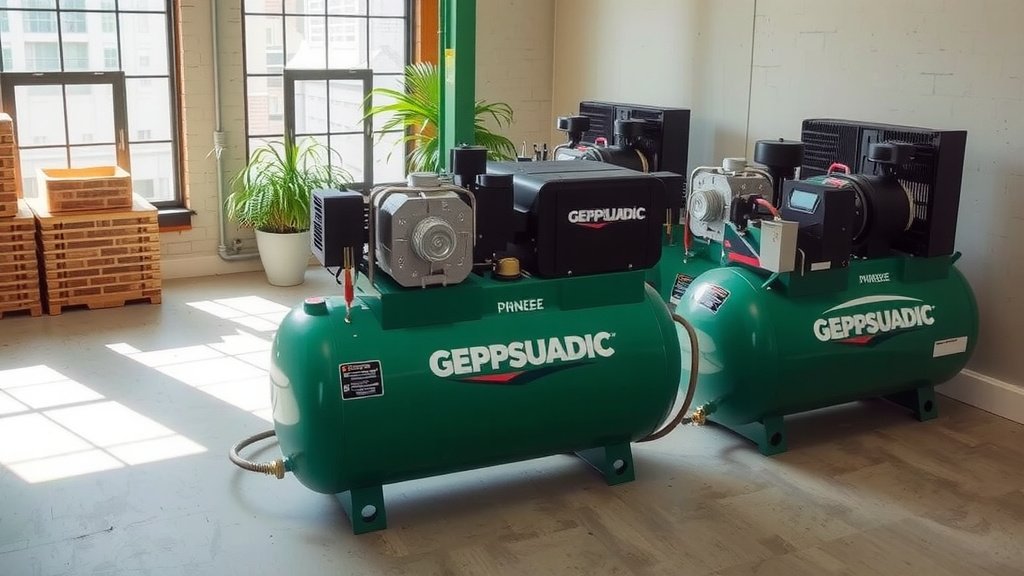
If you need serious air power for a professional shop or demanding industrial applications, prepare for a higher investment. These are usually large, 60-80 gallon vertical tanks with 5 HP or more. They offer high CFM output, allowing you to run multiple tools or high-demand tools like grinders and sanders continuously. These units are built for durability and heavy-duty use. The price reflects the robust construction, powerful motor, and large storage capacity.
| Type | Typical Tank Size (Gallons) | Typical HP | Estimated Price Range | Best For |
|---|---|---|---|---|
| Ultra-Portable | 0.5 – 3 | 0.5 – 1 | Under $100 | Tire inflation, small air tools |
| Small Garage/DIY | 10 – 30 | 1.5 – 3 | $200 – $500 | Nail guns, air ratchets, light sanding |
| Medium Garage/Shop | 30 – 60 | 3 – 5 | $500 – $800 | Impact wrenches, grinders, spray painting |
| Heavy Duty/Industrial | 60 – 80+ | 5+ | $600 – $1,200+ | Continuous use, multiple tools, high-demand tools |
Other Factors to Consider
Beyond the main specs, a few other things can influence the cost. The type of pump (oil-lubricated vs. oil-free) matters. Oil-lubricated pumps are generally more durable and quieter but require more maintenance. Oil-free pumps are lighter and maintenance-free but can be noisier. Features like dual-purpose regulators, built-in filters, and noise reduction technology can also add to the price. When we researched, we found that sometimes paying a little more for quieter operation was worth it for home users.
Making the Smart Purchase Decision
To find the best value, you need to assess your needs realistically. Don’t buy more compressor than you require, but also don’t skimp if you need serious power. Think about the tools you use most often and their CFM demands. The right size tank will prevent frustration. Always check reviews and compare specifications carefully. We found that investing a bit more upfront in a compressor that meets your needs ensures better performance and longevity.
Here’s a quick checklist to help you decide:- List all the air tools you plan to use.
- Note the CFM requirement for each tool.
- Consider your typical usage duration.
- Decide if portability is a must.
- Set a realistic budget based on your needs.
- Compare tank size and HP for your CFM requirements.
Conclusion
Finding the right Central Pneumatic air compressor means understanding your specific needs. We’ve seen that price really depends on horsepower, tank size, and the critical CFM rating your tools require. Whether you’re a weekend DIYer or a professional, there’s a model designed to fit your workflow and budget. Don’t get caught paying for more power than you’ll ever use, or worse, getting a compressor that can’t keep up. Take a moment to list your tools and their air demands before you buy. This will guide you to a smart, cost-effective purchase that you’ll be happy with for years to come.
Frequently Asked Questions
What’s the minimum CFM I should look for in a Central Pneumatic compressor?
The minimum CFM you need depends entirely on the air tools you plan to use. We found that for basic tasks like inflating tires or using small brad nailers, a lower CFM (around 2-4 CFM at 90 PSI) might suffice. However, more demanding tools like impact wrenches or grinders will require higher CFM ratings, often 5-10 CFM or more.
Are oil-free Central Pneumatic compressors cheaper than oil-lubricated ones?
Generally, oil-free Central Pneumatic compressors tend to be less expensive upfront. They are often found in smaller, more portable units. Oil-lubricated models typically cost more but often provide better durability and quieter operation, which can be a worthwhile investment for frequent users.
How does tank size affect the price of a Central Pneumatic air compressor?
Larger tank sizes mean more compressed air storage, which directly increases the overall cost. You’ll pay more for a 60-gallon tank than a 20-gallon tank, assuming other specifications like HP and CFM are similar. Bigger tanks also add weight and material costs, contributing to the higher price.
Can I get a good Central Pneumatic air compressor for under $200?
Yes, you can find very basic Central Pneumatic air compressors for under $200. These will typically be ultra-portable units with small tanks (under 5 gallons) and lower horsepower. They are suitable for light tasks like inflating tires or powering very small air tools, but won’t handle continuous use or high-demand tools.
What does “duty cycle” mean for Central Pneumatic air compressors, and does it affect price?
Duty cycle refers to how long a compressor can run continuously before needing to cool down. A 50% duty cycle means it can run for 5 minutes out of every 10. Higher duty cycles (like 75% or 100%) indicate more robust, heavy-duty units built for longer operation, and these typically come with a higher price tag.