Portable Air Compressor Cost: What to Expect
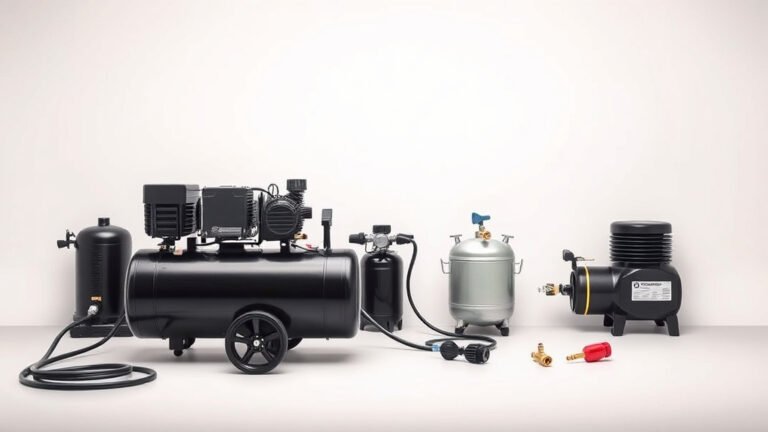
You’re probably wondering how much a portable air compressor costs. Well, you can expect to spend anywhere from $100 to $500 for a good quality portable air compressor. The price really depends on its size, power, and specific features. We found that most common models fall comfortably within this range.
Figuring out the right compressor can feel like a puzzle. Factors like PSI (pounds per square inch) and CFM (cubic feet per minute) greatly influence performance and price. You’ll also see differences based on whether it’s oil-lubricated or oil-free, and how durable it’s built to be. We want to help you find the best bang for your buck.
- Portable air compressor prices range from $100 to $500.
- Key factors influencing cost are size, power (PSI/CFM), and features.
- Oil-free models are often cheaper and require less maintenance.
- High-duty cycle compressors for professional use cost more.
- Look for brand reputation and user reviews for reliable choices.
Let’s break down what goes into that price tag and help you choose the perfect portable air compressor for your needs without breaking the bank.
Understanding the Cost of Your Portable Air Compressor
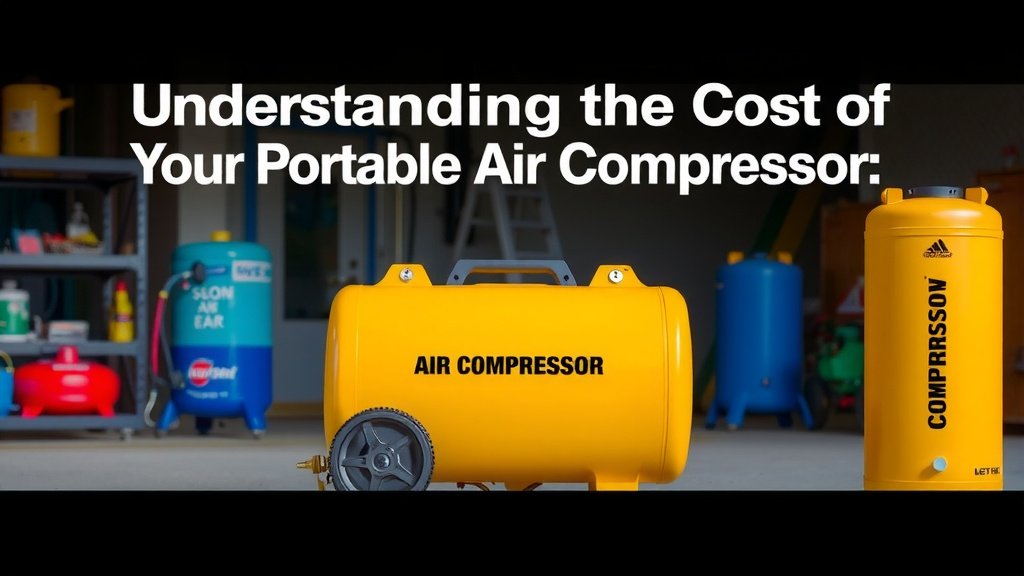
So, you’re looking at portable air compressors and wondering about the price. You can typically expect to spend between $100 and $500 for a quality unit. The final cost really hinges on a few key things: its size, how much power it packs, and the specific features it offers. Most of the compressors you’ll find commonly used fall right into this comfortable price bracket.
What Influences the Price Tag?
Several factors play a big role in where a portable air compressor lands on the price spectrum. Think of it like buying a car – a compact sedan will cost less than a heavy-duty truck, right? It’s similar with compressors. Understanding these elements will help you make a smart choice without overspending.
Power Ratings: PSI and CFM Explained
Two of the most important numbers you’ll see are PSI (pounds per square inch) and CFM (cubic feet per minute). PSI tells you how much pressure the compressor can deliver. CFM tells you how much air volume it can supply. Higher numbers usually mean more power and a higher price tag.
For simple tasks like inflating tires or powering a brad nailer, you won’t need a super high PSI or CFM. But if you’re planning on running air-powered tools that demand a lot of air, like impact wrenches or paint sprayers, you’ll need a compressor with higher ratings. We found that most DIYers are well-served by models in the 2 to 6 CFM range at around 90 PSI.
Tank Size Matters
The tank size, measured in gallons, also affects cost. A larger tank stores more compressed air, meaning the motor doesn’t have to run as often. This is great if you need a consistent supply of air for longer periods. However, larger tanks also make the compressor heavier and bulkier, which can drive up the price.
You’ll see tanks ranging from a few gallons up to 30 gallons or more. For portability, smaller is usually better. We found that a 6-gallon to 10-gallon tank is often the sweet spot for many homeowners, offering a good balance between air capacity and ease of movement.
Oil-Lubricated vs. Oil-Free Designs
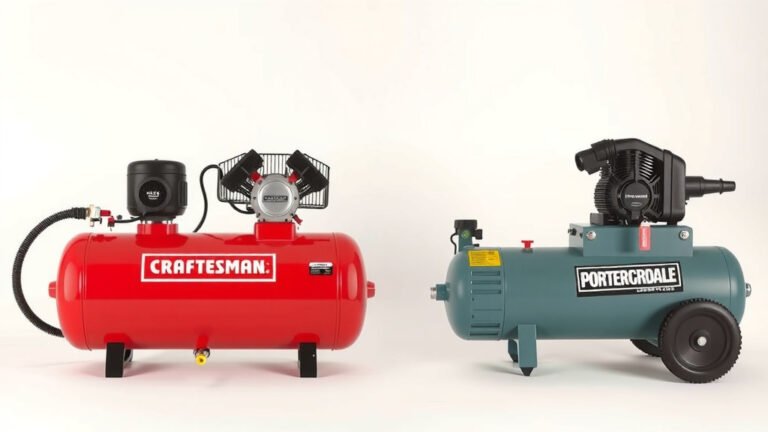
Compressors come in two main types: oil-lubricated and oil-free. Oil-free compressors are generally less expensive upfront and require less maintenance. They don’t need oil changes, making them a convenient choice for casual users. However, they can sometimes be noisier and may have a shorter lifespan than their oiled counterparts.
Oil-lubricated compressors tend to be quieter and often last longer, especially under heavy use. They need regular oil checks and changes, which is a bit more work. Many experts say that for frequent or demanding jobs, the slight increase in maintenance is worth the longer-term durability and quieter operation (Many tool manufacturers suggest this).
Horsepower and Duty Cycle
The horsepower (HP) of the motor gives you an idea of its raw power. More HP generally means more airflow and pressure. You’ll see models ranging from around 1 HP up to 6 HP or more.
The duty cycle is also super important, especially if you plan to use your compressor for extended periods. It tells you how long the compressor can run before needing a cool-down period. A 50% duty cycle means it can run for 5 minutes out of every 10. For professional or heavy-duty use, look for a compressor with a 75% or 100% duty cycle. These are typically more robust and, you guessed it, more expensive.
Price Tiers: What to Expect for Your Money
Let’s break down the typical price ranges you’ll encounter and what kind of features you can expect in each tier.
| Price Range | Typical Features & Use Cases |
|---|---|
| $100 – $200 | Smaller, lightweight units (2-6 gallons). Lower CFM (1-4 CFM). Ideal for DIY tasks like inflating tires, air mattresses, and light nailing. Usually oil-free. Basic durability. |
| $200 – $350 | Medium-sized tanks (6-15 gallons). Moderate CFM (4-6 CFM). Good for a wider range of home projects, powering brad nailers, staplers, and some basic automotive work. Often oil-free, but some oiled options appear. Better build quality. |
| $350 – $500+ | Larger tanks (15-30+ gallons). Higher CFM (5+ CFM). Can handle more demanding tools like impact wrenches and spray guns. Often oil-lubricated for durability. Higher duty cycles. Built for frequent or professional use. |
Entry-Level ($100 – $200)
In this range, you’ll find basic, lightweight compressors. They’re perfect for occasional, light-duty tasks. Think inflating car tires, sports balls, or airbeds. They usually have smaller tanks (around 2-6 gallons) and lower CFM ratings. Most are oil-free, meaning less maintenance for you. They get the job done for simple needs.
Mid-Range ($200 – $350)
Stepping up, you get more power and versatility. These compressors often have 6-gallon to 15-gallon tanks. They can handle a bit more air demand, making them suitable for powering brad nailers, staplers, or doing some light auto repair. You’ll find a good balance of portability and capability here. Build quality also tends to improve.
Higher-End ($350+)
If you need serious power for frequent use or tougher jobs, this is where you’ll look. These units feature larger tanks (15-30 gallons or more) and higher CFM outputs. They are often oil-lubricated for maximum durability and can sustain longer run times. These are built for demanding tasks like painting or using impact wrenches consistently. They are an investment for more serious DIYers or professionals.
Don’t Forget Accessory Costs
Remember that the compressor itself is only part of the equation. You’ll likely need hoses, connectors, and air tools. These can add another $50 to $200 or more to your total investment, depending on what you need. So, factor those into your budget!
Tips for Getting the Best Value
When you’re hunting for the best deal, keep these pointers in mind:
- Read Reviews: See what other users are saying about reliability and performance.
- Check Warranties: A longer warranty often signals a more durable product.
- Consider Your Needs: Buy only the power and features you actually require.
- Look for Sales: Keep an eye out for holiday sales or clearance events.
- Brand Reputation: Well-known brands often have better customer support and product consistency.
Conclusion
You now have a clear picture of how much a portable air compressor might cost you. We found that most quality units fall between $100 and $500, with price driven by power, size, and features. Understanding PSI, CFM, tank size, and whether it’s oil-free or oil-lubricated helps you match the compressor to your tasks and budget. Don’t forget to factor in the cost of accessories like hoses and tools!
Your next step is to assess your specific needs. Are you topping off tires or running demanding tools? Armed with this knowledge, you can confidently pick a portable air compressor that offers the best performance and value for your projects. Happy compressing!
Frequently Asked Questions
Are more expensive portable air compressors always better?
Not necessarily. While higher prices often mean more power and durability, they can also come with features you don’t need. We researched and found that the best compressor for you depends on your intended use. A pricier, heavy-duty model might be overkill if you only need it for occasional light tasks.
Can I get a decent portable air compressor for under $150?
Yes, you can find basic portable air compressors for under $150. These entry-level models are typically oil-free and best suited for very light-duty tasks like inflating tires, sports equipment, or air mattresses. They might have lower PSI and CFM ratings, so they won’t power many air tools.
How much extra should I budget for air hoses and tools?
You should expect to spend an additional $50 to $200 or more for essential accessories like air hoses, quick connectors, and basic air tools. The exact cost depends on the quality and type of tools you choose. Some compressors come bundled with a few accessories, which can offer a small saving.
Do oil-free compressors last as long as oil-lubricated ones?
Generally, oil-lubricated compressors tend to have a longer lifespan, especially with heavy use, because the oil reduces wear on internal parts. However, oil-free models require less maintenance and are often more affordable upfront. We found that for casual users, the convenience of an oil-free compressor is often a good trade-off.
Is a larger tank size always better for a portable air compressor?
A larger tank stores more air, meaning the motor runs less often and provides a more consistent air supply. However, larger tanks also make the compressor heavier and bulkier, reducing portability. For most homeowners, a tank size between 6 and 10 gallons offers a good balance between air capacity and ease of transport.