Washer and Dryer Space: What You Need to Know
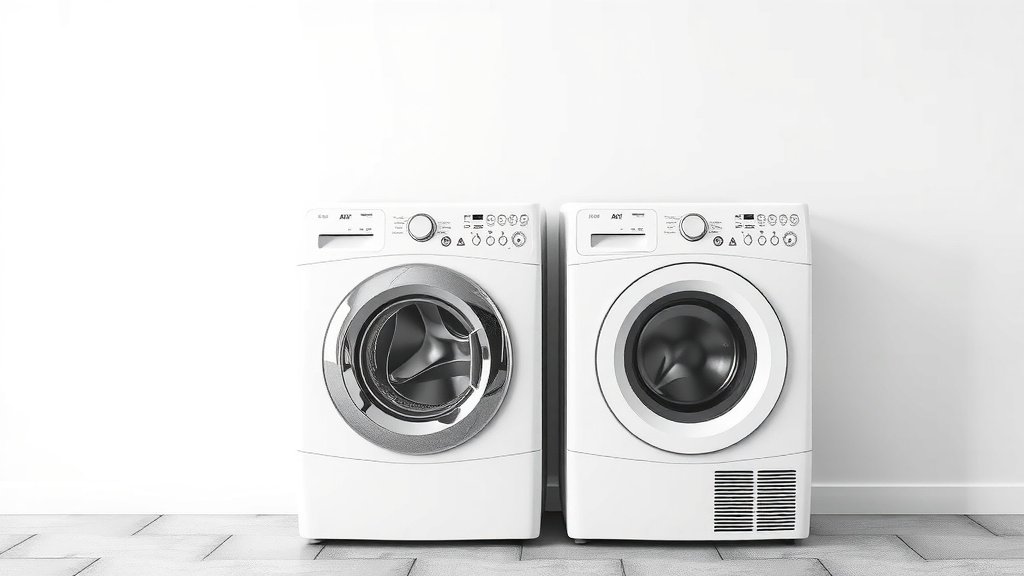
You generally need about 30 inches of width and 60 inches of depth for a standard washer and dryer pair. This includes space for the machines themselves and clearance for opening doors and drawers. Don’t forget to factor in space for venting your dryer.
Ensuring you have the right dimensions is key to a functional laundry space. It prevents damage to your appliances and makes loading and unloading laundry much easier. We’ve found that many people overlook the need for extra clearance.
- Standard washer/dryer space: ~30 inches wide, ~60 inches deep.
- Includes: Appliance size, door swing, and drawer space.
- Don’t forget: Room for dryer vent hose.
- Why it matters: Prevents damage and makes laundry easier.
Let’s walk through exactly how to measure and what to consider for your laundry setup.
So, you’re ready to upgrade your laundry room or perhaps tackle a new setup? That’s exciting! But before you start dreaming of fresh-smelling clothes, let’s get down to the nitty-gritty of space. Knowing the right dimensions upfront can save you a world of headaches and ensure your appliances work like a charm.
Figuring Out Your Laundry Appliance Footprint
You’ve got your eye on a new washer and dryer, but how much room do they *really* need? It’s more than just the physical size of the machines. You need to consider how they operate and how you’ll use them.
Standard Appliance Dimensions
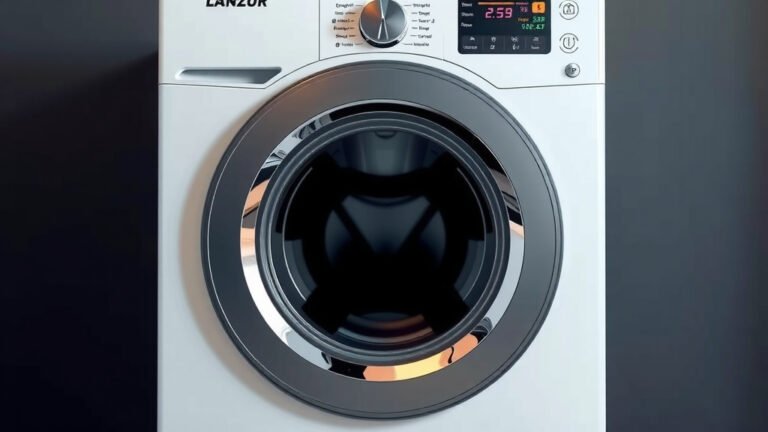
Most standard washing machines and dryers are about 27 inches wide. They typically stand around 36-40 inches tall. The depth usually hovers between 28-34 inches. This is the basic footprint for the appliances themselves.
Considering the Door Swing and Drawers
This is where many people get tripped up! You need space for the doors to open fully. A washer door can swing out 90 degrees or more. If you have a front-loader, you’ll need that door to open wide enough to load and unload without bumping into anything. Many modern dryers also have drawers for lint traps or detergent. These need clearance too. We found that adding 15-18 inches to the depth for the door swing is a good rule of thumb. For drawers, ensure they can slide out completely.
The All-Important Dryer Vent
Never forget the dryer vent! It needs space to connect to the wall outlet. A flexible dryer hose typically needs about 4-6 inches of space behind the appliance. This hose can be crushed easily if it’s too tight. A kinked or crushed hose is a fire hazard and makes your dryer work much harder. It also reduces drying efficiency. Experts advise keeping the vent run as short and straight as possible (Cleveland Clinic).
Calculating Your Total Space Needs
Let’s put it all together to get a clear picture of the total space you’ll need. Think of it as building a comfortable little home for your laundry duo.
Minimum Recommended Space
For a standard side-by-side or stacked washer and dryer, you’re generally looking at a minimum of 30 inches in width for each appliance. That means a 60-inch total width if they are side-by-side. For depth, consider the appliance depth plus the door swing and vent space. A good starting point is 30 inches of depth for the appliance itself, plus about 18 inches for the door swing and another 6 inches for the vent hose. This brings your total minimum depth requirement to around 54-60 inches.
Optimal Space for Comfort and Functionality
While the minimum works, you’ll be much happier with a bit more breathing room. We recommend aiming for 36 inches of width per appliance. This gives you about 72 inches of total width for a side-by-side setup. For depth, adding an extra 6-12 inches beyond the minimum is often a game-changer. This allows for easier access, cleaning behind the machines, and less risk of crushing the vent hose. A comfortable depth might be closer to 72 inches.
A Quick Comparison Table
Here’s a simple breakdown to help you visualize:
| Space Type | Width (per appliance) | Depth (total required) | Notes |
|---|---|---|---|
| Minimum (Side-by-Side) | ~27-30 inches | ~54-60 inches | Each machine plus clearance. Might feel cramped. |
| Recommended (Side-by-Side) | ~30-36 inches | ~60-72 inches | More comfortable, easier access. |
| Minimum (Stacked) | ~27-30 inches | ~30-36 inches | Height is the main concern here. Ensure overhead clearance. |
| Recommended (Stacked) | ~30-36 inches | ~36-48 inches | Easier to load/unload the top unit. |
Special Considerations for Your Laundry Space
Beyond the basic box, what else should you be thinking about? Plenty! Your laundry space is more than just a place for machines.
Stacked vs. Side-by-Side Units
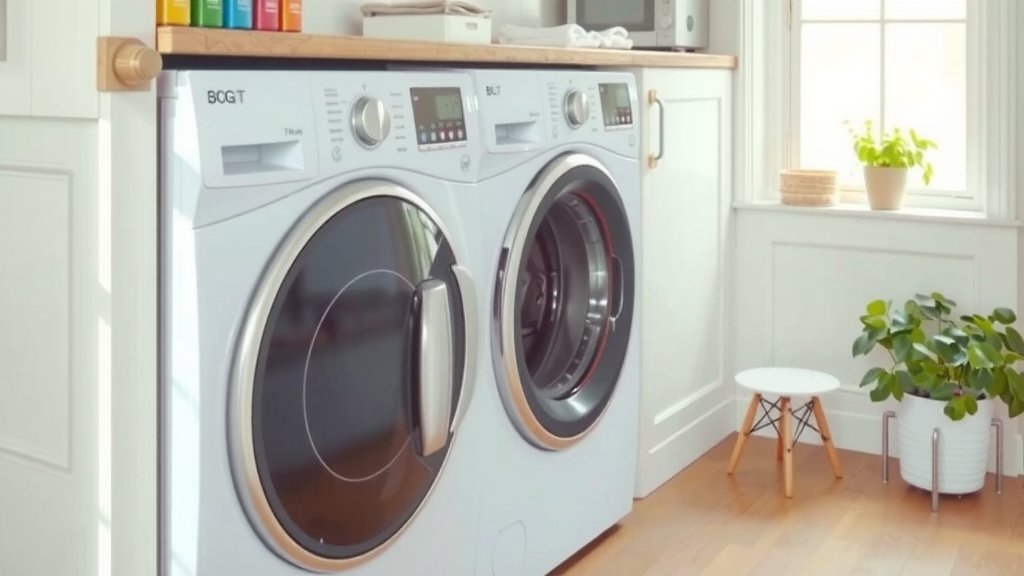
Stacked units are fantastic for saving floor space. They require the width of a single appliance but much more vertical height. You’ll need to ensure you have enough clearance above the stacked units for the dryer vent and any utility hookups. Many experts suggest a minimum ceiling height of 8 feet for stacked units (Home building guides). Side-by-side units need more floor space but can be easier to load and unload, especially the top-loading washer.
Appliance Depth Variations
Not all washers and dryers are created equal! Compact models exist for smaller homes or apartments. These are usually shallower and narrower. High-efficiency (HE) models might be deeper due to their internal workings. Always check the specific dimensions of the appliances you are interested in. Manufacturers provide these details on their websites or product manuals.
Water and Electrical Hookups
Where are your water lines and electrical outlets located? You’ll need space for hoses to reach the connections without being stretched taut. For dryers, make sure the electrical outlet or gas hookup is accessible. We found that bulky plug ends can sometimes require a bit of extra space behind the machine.
Accessibility and Maintenance
Think about how you’ll clean around and behind your machines. Leaving a few extra inches allows you to vacuum or mop without a struggle. It also makes it easier for technicians if repairs are ever needed. Nobody wants to pull a heavy appliance out from a tight spot! We’ve heard too many stories of people struggling with this.
Your Laundry Day Checklist
Before you finalize your laundry room plans, run through this quick checklist:
- Measure your available width and depth precisely.
- Account for each appliance’s door swing.
- Factor in space for the dryer vent hose.
- Check the height clearance, especially for stacked units.
- Consider space for utility hookups and maintenance.
- Add a little extra for comfortable movement and cleaning.
Conclusion
Setting up your laundry space correctly is more than just fitting appliances in. You’ve learned that about 30 inches wide and 60 inches deep is a solid starting point. Remember to account for door swings, dryer vent hoses, and even cleaning space. Getting these measurements right prevents frustration and potential damage. Before buying, always double-check the specific dimensions of your chosen washer and dryer. Now, go measure your space, visualize your setup, and get ready for a more functional laundry routine!
Frequently Asked Questions
What if my laundry space is very small?
For tight spaces, consider compact or apartment-sized washers and dryers. These units are typically shallower and narrower. You might also look into stackable units to save floor space. Always measure your available width and depth carefully before shopping.
Do I really need 60 inches of depth?
The 60 inches of depth is a general guideline that includes appliance depth, door swing, and vent hose space. If you have a top-loading washer and a dryer with a back panel that sits flush, you might get away with slightly less. However, we’ve found that extra room makes a big difference for ease of use and hose flexibility.
How much space is needed for a stacked washer and dryer?
Stacked units require the width of a single appliance, usually around 27-30 inches. The main concern is vertical height. You’ll need enough room for both machines plus clearance for the dryer vent and utility hookups. Aim for at least 8 feet of ceiling height for most stacked setups.
Can I put my washer and dryer in a closet?
Yes, you often can! Ensure the closet is wide enough to accommodate both machines side-by-side, or tall enough for a stacked unit. You’ll need to account for the door swing of the closet door itself, as well as the appliance doors. Proper ventilation for the dryer is also essential in a closet.
What if the dryer vent hose needs to go a long distance?
Longer vent runs reduce dryer efficiency and can increase drying times. If possible, try to place your dryer near an existing exterior vent. If a long run is unavoidable, use the shortest, straightest path with rigid or semi-rigid venting material. Avoid flexible foil vents for long distances as they can kink easily.
![7 Best Low Budget Washer And Dryer [In 2026]](https://homeunderstandable.com/wp-content/uploads/2026/09/7-best-low-budget-washer-and-dryer-in-2026-featured-768x432.jpg)