How Often to Change Air Compressor Oil
You should change your air compressor oil and filter every 6 months or 1000 hours of operation, whichever comes first. Regular maintenance helps prevent costly repairs and ensures your air compressor runs smoothly. Ignoring these simple steps can lead to serious damage to your equipment.
Many factors can affect how often you need to change your air compressor oil and filter. Things like the type of compressor you have and the environment it operates in play a big role. We’ve found that dusty or humid conditions often require more frequent changes.
- Change oil and filter every 6 months or 1000 hours.
- Use the correct oil type for your model.
- Check the air filter regularly for clogs.
- Consider your operating environment.
- Listen for unusual noises from your compressor.
Let’s walk through the signs that your air compressor needs a change and how to do it yourself without too much trouble.
When to Service Your Air Compressor
Knowing when to change your air compressor’s oil and filter is super important. Think of it like changing the oil in your car. You wouldn’t wait for the engine to seize up, right? The same goes for your air compressor. We found that most manufacturers recommend a change every six months or after 1,000 hours of use. It’s crucial to stick to whichever of those comes first.
Understanding Your Compressor’s Needs
Your air compressor’s requirements can actually shift based on a few key things. It’s not a one-size-fits-all situation. Let’s break down what really impacts how often you should be performing this maintenance. Paying attention to these details can save you a lot of headaches down the road.
The Role of Compressor Type
Different types of air compressors have different needs. For instance, a small, portable compressor used for occasional DIY projects won’t demand the same frequent servicing as a large, industrial unit that runs all day, every day. We’ve seen that piston compressors often require more frequent oil changes than rotary screw models. Always check your owner’s manual for specific recommendations tailored to your exact model.
Environmental Factors Matter
Where your compressor lives really matters. If it’s in a place that’s really dusty, like a woodworking shop or a construction site, its air filter will clog up much faster. This means more contaminants can get into the oil, degrading it quicker. Likewise, a humid environment can introduce moisture into the system. Water in the oil can lead to corrosion and poor lubrication. Many experts suggest that for every 500 hours of operation in a dirty environment, you might need to change the oil and filter sooner than the standard recommendation (US Department of Energy).
Signs Your Air Compressor Needs Attention
Sometimes, your compressor will give you hints that it’s time for maintenance. Listening and looking are key. These subtle cues can prevent bigger, more expensive problems from cropping up unexpectedly. It’s like your body telling you it needs rest – your compressor needs care too!
The Sound of Trouble
Have you noticed any unusual noises coming from your compressor lately? A new grinding sound, a louder hum than usual, or even rattling can indicate that the oil is no longer lubricating the moving parts effectively. Old, degraded oil can’t protect the internal components as well. We found that these sounds are often an early warning sign that something needs attention.
Visual Clues and Performance Dips
Sometimes, the signs are visual. Is the air coming out of your compressor looking cloudy or discolored? This can be a sign of moisture or contaminants in the oil. You might also notice a drop in performance – the compressor takes longer to build pressure, or it doesn’t reach its usual PSI. These are all clear indicators that it’s time for a service. We suggest checking the oil level and appearance regularly.
Performing the Air Compressor Oil and Filter Change
Don’t be intimidated by changing the oil and filter yourself! With a little preparation, you can do this easily at home. It’s a straightforward process that keeps your compressor running smoothly and efficiently. Think of it as a spa day for your machine.
Gathering Your Supplies
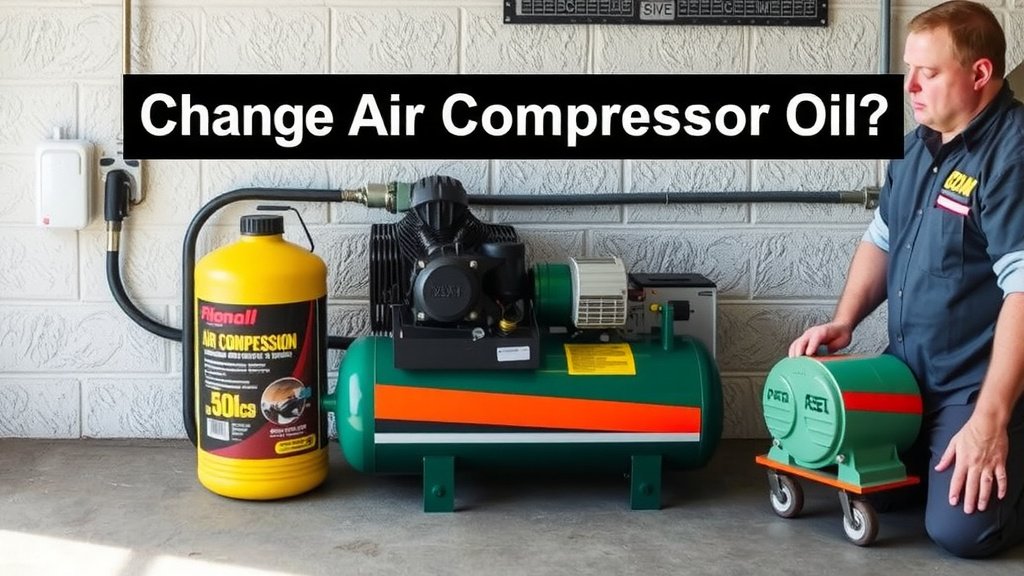
Before you start, make sure you have everything you need. This ensures the job goes quickly and smoothly. You’ll need the correct type and amount of compressor oil, a new oil filter, a wrench to remove the old filter, a drain pan for the old oil, and some clean rags. Always refer to your compressor’s manual for the specific type of oil and filter required. Using the wrong type can cause damage.
The Step-by-Step Process
First, run your compressor for a few minutes to warm the oil. This makes it flow out more easily. Then, turn off the compressor and disconnect the power. Place your drain pan underneath the oil drain plug. Carefully remove the plug and let the old oil drain completely. Once it’s drained, replace the drain plug. Next, locate and remove the old oil filter. Clean the filter housing area before installing the new filter. Once the new filter is in place and snug, refill the compressor with the correct amount of new oil through the fill port. Finally, start the compressor briefly to check for leaks around the drain plug and filter, then shut it off and check the oil level, topping up if necessary.
| Task | Frequency |
|---|---|
| Change Oil & Filter | Every 6 months or 1000 hours |
| Inspect Air Filter | Monthly (or more often in dusty areas) |
| Check Oil Level & Condition | Weekly |
| Drain Water from Tank | After each use or weekly |
| Inspect Belts & Hoses | Quarterly |
When to Call a Professional
While changing the oil and filter is often a DIY job, there are times when you should call in the experts. If you’re unsure about any part of the process, or if your compressor is making strange noises that persist even after a fresh oil change, it’s best to seek professional help. We’ve learned that for more complex issues, a technician has the specialized tools and knowledge to diagnose and fix the problem safely and effectively.
Conclusion
You’ve learned that regular air compressor maintenance is key to its longevity and performance. Remember, changing the oil and filter every 6 months or 1000 hours, whichever comes first, is your baseline. Always consider your specific compressor type and its operating environment, as these factors can require more frequent service. By watching for warning signs like unusual noises or performance dips, you can catch issues early. Taking the time to perform these simple maintenance tasks yourself can save you money and prevent major headaches. Ready to give your compressor some TLC?
Frequently Asked Questions
How often should I change the oil in my air compressor if I use it daily?
If you use your air compressor daily, especially for demanding tasks, you’ll likely need to change the oil more often than the standard recommendation. We suggest checking your owner’s manual, but consider changing the oil every 3-4 months, or sooner if you notice it looking dark or dirty. Daily use means more wear and tear on the oil.
Can I use any type of oil in my air compressor?
No, you should not use just any type of oil. Using the wrong oil can damage your compressor’s internal components. Always consult your air compressor’s manual to find the specific type and viscosity of oil recommended by the manufacturer. This ensures proper lubrication and protection.
What happens if I don’t change my air compressor’s oil regularly?
If you skip regular oil changes, the oil can break down, lose its lubricating properties, and become contaminated. This can lead to increased friction, overheating, and premature wear on crucial parts like the piston rings and cylinder walls. Eventually, this can result in costly repairs or a complete compressor failure.
Is it okay to change the air filter less often than the oil?
Generally, the air filter should be inspected just as frequently, if not more so, than the oil. A dirty air filter restricts airflow, forcing the compressor to work harder and potentially drawing more contaminants into the system. We recommend checking your air filter monthly, especially in dusty conditions, and replacing it when it appears clogged.
What are the signs that the air compressor oil needs changing, besides the schedule?
Beyond the recommended schedule, keep an eye on the oil’s appearance. If the oil looks dark, murky, foamy, or has a burnt smell, it’s a strong indicator that it needs to be changed. Also, listen for any new or louder noises from the compressor, as this can signal poor lubrication due to old oil.