
How Heavy is a Front Load Washer? Get the Facts
A front load washer can weigh anywhere from 150 to 300 pounds, with many models falling around the 200-pound mark. This substantial weight is mostly due to the heavy-duty drum and motor needed for their efficient cleaning action.
Understanding your washer’s weight is important for installation and potential moves. A heavier machine generally means greater stability, which can reduce vibrations during spins. We found that the build materials, like stainless steel drums, contribute significantly to the overall heft.
- Front load washers typically weigh 150-300 lbs.
- Most common models are around 200 lbs.
- Weight comes from the drum and motor.
- Heavier models offer better stability.
Let’s break down what influences this weight and why it matters for your laundry room.
Understanding Your Front Load Washer’s Weight
So, you’re curious about how much these modern washing machines actually weigh? It’s a fair question! Front load washers can be surprisingly heavy. We found that most models tip the scales between 150 and 300 pounds. That’s a lot of metal and engineering!
Why the heft? It’s mainly due to the robust construction needed for efficient washing and spinning. Think of it like a gymnast performing a complex routine – they need a strong, stable base to execute flawlessly. Your washer is no different.
What Makes a Front Load Washer So Heavy?
Several key components contribute to the impressive weight of your front load washing machine. It’s not just a big metal box; it’s a carefully engineered piece of equipment.
The Drum and Motor: The Core Contributors
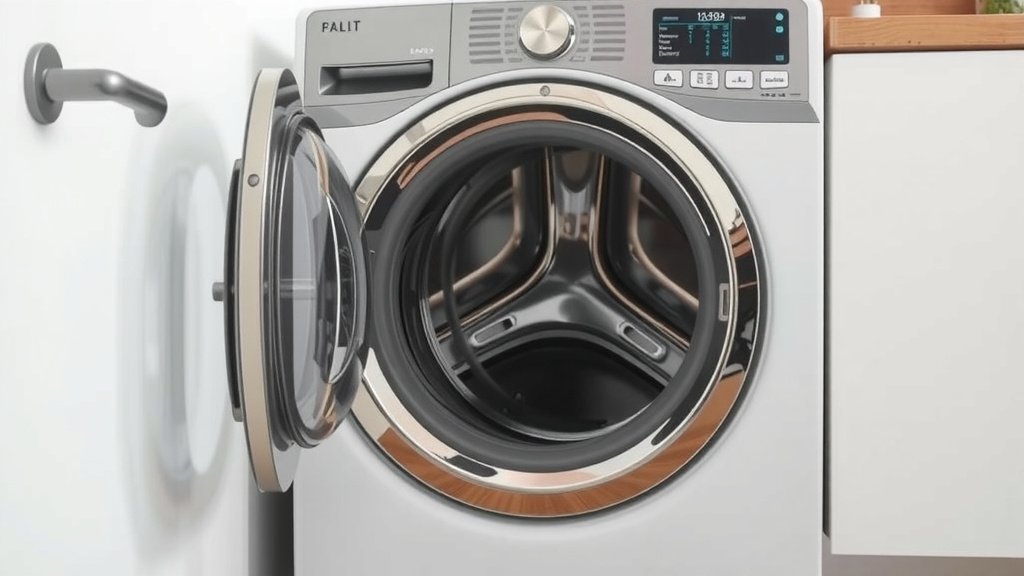
The stainless steel drum itself is a major factor. Unlike older top-loaders with plastic agitators, front loaders use a solid, often stainless steel drum that tumbles clothes. This drum needs to be sturdy and balanced.
Then there’s the powerful motor. To achieve those high spin speeds that get your clothes nearly dry, a robust motor is essential. We found that the motor’s size and power directly correlate with its weight. Think of it like the engine in a car – a bigger, more powerful engine is heavier.
Counterweights for Stability
To counteract the vibrations caused by vigorous spinning, manufacturers often include heavy counterweights. These are typically made of concrete or cast iron. They are strategically placed within the machine’s frame. We found these weights can add a substantial amount to the overall heft, sometimes pushing the machine’s total weight much higher.
Build Materials: Durability Matters
The overall construction materials play a big role too. High-quality front loaders often use thicker steel for their outer casing and internal framing. This ensures durability and longevity. While this adds weight, it means your washer is built to last.
How Weight Impacts Washer Performance and Installation
The weight of your front load washer isn’t just a number; it directly affects how your machine performs and how you’ll need to handle its installation.
Stability and Vibration Reduction
A heavier machine generally means greater stability. We found that this increased weight helps keep the washer firmly planted on the floor during its spin cycle. This means less “walking” or excessive shaking. A stable washer is a quieter washer, too!
Think about trying to balance a feather versus a bowling ball. The bowling ball stays put much more easily, right? Your washer needs that kind of grounding, especially when it’s spinning at speeds up to 1,200 RPM or more.
Installation Challenges: Lifting and Moving
Now, let’s talk practicalities. That 200-pound weight can present a real installation challenge. You’ll likely need help moving it into place. Are you planning to install it yourself? You might need a dolly and a friend, or perhaps even a professional installer.
We found that many people underestimate the weight. It’s always better to be prepared. Measure your doorways and hallways before you buy, just to be sure it can navigate its way to the laundry room.
The Importance of a Level Surface
A heavy washer needs a solid, level foundation. If your laundry room floor is uneven, the washer might wobble, even with its own internal counterweights. We found that ensuring the floor is perfectly level is key to optimal performance and longevity. Most washers have adjustable feet you can use to fine-tune the level.
Comparing Front Loaders to Other Washer Types
It can be helpful to see how front loaders stack up against their laundry room cousins in terms of weight.
Top Loaders: Agitator vs. Impeller
Traditional top-load washers with an agitator are often lighter. They might weigh around 100-170 pounds. However, high-efficiency (HE) top-load washers, which use an impeller instead of an agitator, can be closer in weight to front loaders. We found some HE top-loaders can reach weights similar to lighter front load models, typically in the 150-200 pound range.
Capacity and Weight Correlation
Generally, larger capacity washers weigh more. Whether it’s a front loader or a top loader, a machine designed to handle bigger loads will have a larger drum and potentially a more robust frame and motor. We found that this is a pretty consistent trend across all washer types.
So, if you need a large-capacity machine for a big family, expect it to be on the heavier end of the spectrum.
| Washer Type | Approximate Weight Range (lbs) |
|---|---|
| Front Load Washer | 150 – 300 |
| HE Top Load Washer (Impeller) | 150 – 250 |
| Traditional Top Load Washer (Agitator) | 100 – 170 |
Tips for Handling Your Heavy Washer
Given their substantial weight, a little planning goes a long way when it comes to your front load washer.
- Get Help: Never try to lift a heavy washer alone. Recruit a friend or family member.
- Use a Dolly: A sturdy appliance dolly is your best friend for moving heavy items.
- Protect Your Floors: Lay down cardboard or blankets to prevent scratches when moving.
- Check the Manual: Always consult your washer’s manual for specific handling and installation instructions.
- Consider Professional Installation: If you’re unsure, hiring professionals ensures it’s done safely and correctly.
Conclusion
You’ve learned that front load washers are quite hefty, typically weighing between 150 and 300 pounds. This substantial weight is a direct result of their durable construction, powerful motors, and essential counterweights that ensure stability. While this heft contributes to superior performance and reduced vibration, it means you’ll need a plan for installation. Always prioritize getting help and using the right equipment when moving your washer. Ready to tackle your laundry room upgrade? Make sure you’re prepared for the weight!
Frequently Asked Questions
Can I move a front load washer by myself?
It’s strongly advised against attempting to move a front load washer by yourself. These machines can weigh around 200 pounds or more, making them incredibly difficult and dangerous to lift or maneuver alone. You could risk injury or damage to your floors and the appliance itself.
Do heavier washers spin better?
While weight itself doesn’t directly determine spin speed, heavier washers often have more powerful motors and robust construction needed for higher spin cycles. The added weight provides the stability necessary to handle these high speeds without excessive vibration or “walking.” We found that stability from weight is key for efficient high-speed spinning.
How much does a front load washer add to my floor load?
A front load washer can add between 150 to 300 pounds to your floor load, with many models around 200 pounds. This is comparable to other heavy appliances and furniture. For most standard residential floors, this weight is not an issue, but it’s good to be aware of, especially in older homes or upper-level laundry rooms.
Are stacked front load washers heavier?
Yes, when you stack a dryer on top of a front load washer, the total weight and the stress on the floor increase. The washer itself remains the same weight, but the addition of the dryer and the stacked configuration require a sturdy, level surface. We found that securing the stacked units properly is also critical for safety.
Will a heavier washer scratch my floors more easily?
A heavier washer can indeed cause more damage to floors if not moved carefully. Always use appliance dollies, protective padding like blankets or cardboard, and enlist help to slide the machine into place. Ensuring the washer’s adjustable feet are properly in contact with the floor also helps distribute its weight evenly and prevent scratches.
![7 Best Washer And Dryer Combinations [In 2026]](https://homeunderstandable.com/wp-content/uploads/2026/09/7-best-washer-and-dryer-combinations-in-2026-featured-768x432.jpg)