Air Compressor Rental Costs: How Much You Can Expect
Renting an air compressor can cost anywhere from $30 to $100 per day, depending on the type and size you need. Smaller, portable compressors for DIY projects usually fall on the lower end. Larger, industrial-grade compressors for heavy-duty jobs will naturally cost more. Think of it like renting a car; a compact car is cheaper than a truck.
The daily rental price is just part of the picture. You also need to consider the type of compressor, its horsepower, and the tank size. Some rental companies might also have weekly or monthly rates that could save you money if your project is long-term. Always check for any additional fees, like fuel surcharges or late return penalties.
- Daily rental costs range from $30-$100.
- Price depends on compressor type, size, and power.
- Consider weekly or monthly rates for longer projects.
- Watch out for extra fees and add-ons.
Let’s walk through the typical costs and factors that influence them, so you can budget effectively for your project.
Understanding Air Compressor Rental Costs
Renting an air compressor can seem straightforward, but there are several factors that influence the final price. You’re probably wondering, “How much will this actually cost me?” The good news is that for most common projects, the rental rates are quite reasonable. We found that the average daily rate typically hovers between $30 and $100. But, like anything, the devil is in the details. Let’s break down what makes that price tick.
The Basics: What Type of Compressor Do You Need?
The first thing a rental company will ask is what you’ll be using the compressor for. This helps them guide you to the right type and size. Think about the tools you plan to power. Are you just topping off tires and using a small brad nailer? Or are you running a framing nailer, an impact wrench, or even a sandblaster?
Portable Compressors for DIY and Light Tasks
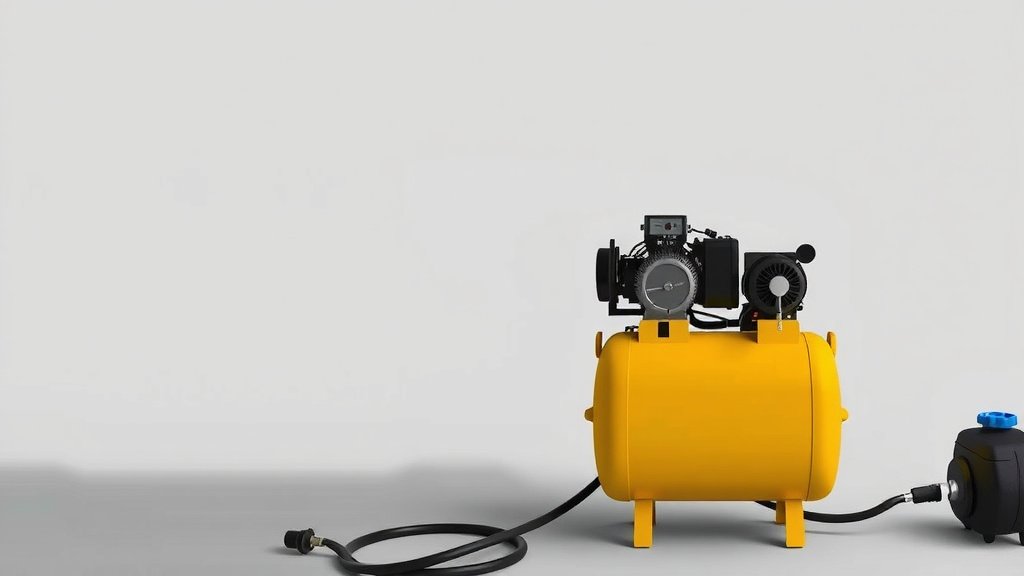
For home projects like finish carpentry, inflating tires, or powering small air tools, you’ll likely need a portable compressor. These are generally smaller, lighter, and easier to transport. They often have smaller tanks, around 10-20 gallons. We found that these typically fall into the For home projects, a portable compressor is often sufficient; learn more about 1-gallon vs. 2-gallon options.lower end of the daily rental price range, often between $30 and $60 per day. They are perfect for weekend warriors and homeowners.
Contractor-Grade Compressors for Heavy-Duty Work
If your project involves more demanding tasks, like framing, construction, or automotive repair, you’ll need a more robust unit. Contractor-grade compressors are built for continuous use and higher air output. They usually feature larger tanks (20-60 gallons or more) and more powerful engines. These units are heavier and may require a small trailer or truck to move. Their rental cost reflects their power and capability, typically ranging from $70 to $100+ per day.
Industrial and Specialty Compressors
For very large-scale industrial applications or specialized jobs like sandblasting or large spray painting jobs, you might need an industrial-grade compressor. These are the behemoths. They offer extremely high air flow and pressure. Rental costs for these can go much higher, sometimes $150-$300 or more per day, and may come with specific operating requirements. We generally don’t see these at your local tool rental shop, but rather through specialized industrial suppliers.
Key Factors Affecting Your Rental Price
Beyond the basic type, several other elements will impact the rental cost. Understanding these will help you avoid surprises and get the best value for your money.
Horsepower (HP) and Cubic Feet per Minute (CFM)
Horsepower is a general indicator of the compressor’s power. However, CFM is often a more important metric for air tool performance. CFM measures how much air the compressor can deliver per minute at a specific pressure. Tools that require a lot of air, like impact wrenches or sanders, need a compressor with a high CFM rating. Higher HP and CFM usually mean a higher rental price. We found that compressors with 5-6 HP and 10-15 CFM are common for contractor use and are priced accordingly.
Tank Size
The tank size determines how much compressed air the unit can store. A larger tank allows for longer tool run times without the compressor motor having to cycle on constantly. For intermittent use, like with a nail gun, a smaller tank might be fine. For tools that demand a steady stream of air, a larger tank is essential. While tank size is a factor, it often correlates with HP and CFM. So, a larger tank usually comes with a higher rental cost, but not always directly proportional.
Power Source: Gas vs. Electric
Gas-powered compressors are typically more powerful and portable, making them ideal for job sites without electricity. They are generally more expensive to rent. Electric compressors are quieter and often cheaper to rent, but you’ll need access to a power source. For indoor work or areas where noise is a concern, electric is the way to go. We found that the price difference between gas and electric models of similar capacity is often about $10-$20 per day.
Understanding Rental Terms and Potential Extra Fees
Rental companies operate on specific terms, and it’s wise to be aware of them before you sign on the dotted line. This can save you from unexpected charges.
Daily, Weekly, and Monthly Rates
Most companies offer a standard daily rate. However, if your project is longer, you should definitely ask about weekly or monthly rental options. We found that weekly rates can offer significant savings, often around 2-3 times the daily rate instead of 5-7 times. Monthly rates offer even deeper discounts. This is a smart move for extended renovations or construction jobs.
Fuel and Maintenance Surcharges
For gas-powered compressors, you’ll usually need to return the unit with a full tank of gas. If you don’t, the rental company will charge you for refueling, and often at a premium rate. Some companies might also have small maintenance fees built into the rental, but these are usually minimal. Always clarify fuel policies upfront.
Delivery and Pick-Up Fees
If you can’t transport the compressor yourself, you’ll need to factor in delivery and pick-up charges. These fees can vary widely depending on the distance and the size of the unit. It’s often more cost-effective to arrange your own transportation if possible, especially for the smaller portable units.
Insurance and Damage Waivers
Many rental companies offer optional damage waiver insurance. This protects you from having to pay the full cost of repairs if the equipment is damaged. We found that these waivers typically cost a small percentage of the rental fee (e.g., 5-10%). It’s often a good idea to consider this, especially if you’re new to using air compressors or working in a potentially hazardous environment.
Making the Smart Rental Choice: A Quick Checklist
To ensure you get the right compressor at the best price, run through this quick checklist before you call around:
- Define Your Project: What tools will you power? What are their CFM/PSI needs?
- Estimate Your Usage Time: Will it be a few hours, a weekend, or several weeks?
- Check Power Availability: Do you need gas or electric?
- Consider Transportation: Can you pick it up, or do you need delivery?
- Ask About All Fees: Get a clear total cost, including deposits, waivers, and potential surcharges.
- Compare Multiple Rentals: Don’t settle for the first quote you get.
Conclusion
Renting an air compressor doesn’t have to be a guessing game. You’ve learned that costs typically range from $30 to $100 daily, but the exact price hinges on the compressor’s power, size, and type—gas or electric. Remember that longer rental periods often come with better rates, and always factor in potential extra fees like fuel or delivery.
Your next step is to clearly define your project needs before you start calling rental companies. This preparation ensures you get the right compressor for the job without overpaying. Happy renting!
Frequently Asked Questions
What’s the biggest factor affecting air compressor rental cost?
The biggest factor is usually the compressor’s horsepower (HP) and its air delivery rate (CFM). More powerful units that can supply air for demanding tools will always cost more to rent than smaller, less powerful ones. We found that CFM is often the more critical spec for tool performance.
Are gas or electric air compressors more expensive to rent?
Generally, gas-powered compressors tend to be more expensive to rent than their electric counterparts. This is because they offer greater portability and power for job sites without electricity, and they often come with higher operational costs for the rental company. Our research showed a price difference of about $10-$20 per day.
Should I look into weekly or monthly rental rates?
Yes, absolutely! If your project spans more than a few days, weekly or monthly rental rates can offer significant savings. We found that these longer-term options are much more economical than simply multiplying the daily rate. Always ask about these options upfront.
What are common hidden fees I should watch out for?
Common extra fees include fuel surcharges if you don’t return a gas unit full, delivery and pick-up charges, and potential late return penalties. Some companies also offer optional damage waivers, which have their own fee. Clarify all potential costs before you sign the rental agreement.
Is it worth getting rental insurance for an air compressor?
For many projects, especially if you’re unfamiliar with operating heavy equipment or if the job site is risky, rental insurance or a damage waiver can be a wise investment. These typically cost a small percentage of the rental fee and can protect you from paying for expensive accidental damage. We found this often costs around 5-10% of the rental rate.