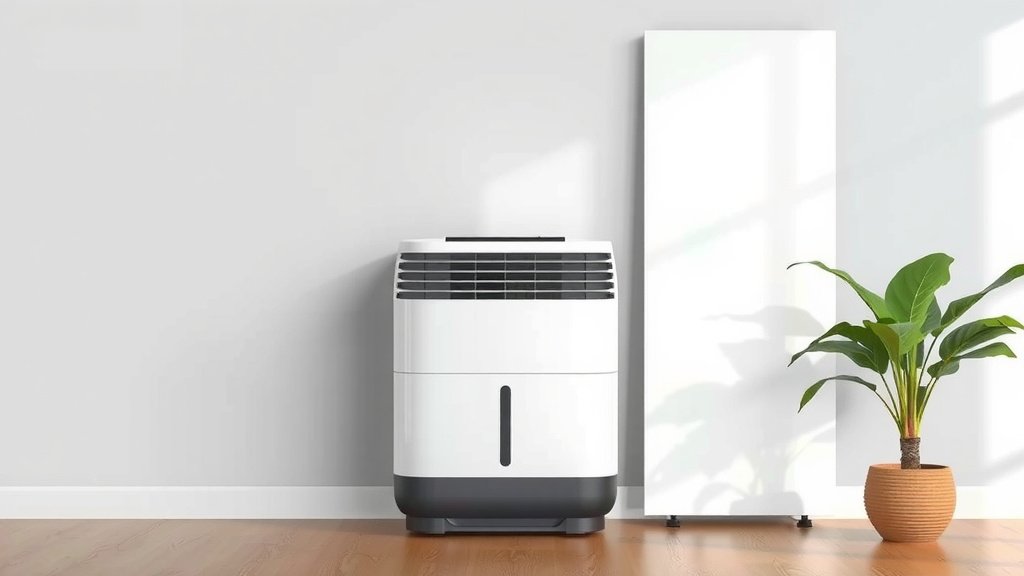
How Long Should You Run Your Air Purifier?
You can run your air purifier continuously, especially when air quality is poor or you have sensitivities. Many experts say keeping it on a medium or high setting is often best for consistent air cleaning. Some models have auto modes that adjust speed based on detected air quality, which is a great option.
Figuring out the right run time helps maximize its benefits. It’s not always about keeping it on 24/7, but about smart usage. You want clean air without wasting energy, and understanding your purifier’s capabilities is key. Think of it as giving your lungs a nice, clean break!
- Run continuously for best results, especially with allergies.
- Use auto mode if your purifier has it.
- Medium to high settings are generally effective.
- Consider your specific needs and room size.
- Don’t forget to clean or replace filters regularly!
Let’s dive into the details so you can make the best choice for your home’s air quality.
When Is the Best Time to Run Your Air Purifier?
You’re probably wondering if you should run your air purifier all day, every day. The simple answer is: it depends on your situation, but often, continuous operation is recommended. Think of it like a diligent housekeeper. It’s always working to keep your air fresh. For the best results, especially if you or someone in your home struggles with allergies or asthma, letting it run constantly makes a lot of sense. You want to maintain a consistently cleaner environment.
Understanding Your Air Purifier’s Role
An air purifier isn’t just a fan with a filter. It actively removes pollutants from the air you breathe. These microscopic invaders can include dust, pollen, pet dander, mold spores, and even volatile organic compounds (VOCs) from household products. Running your purifier consistently ensures that these particles are captured as they circulate, rather than settling back into your living space. It’s about proactive air cleaning, not just reactive.
Continuous Operation: The Gold Standard for Clean Air
Many air quality experts suggest running your air purifier 24/7. This is especially true if you live in an area with high pollution levels or if you have pets. Continuous use means the air is constantly being filtered, preventing a buildup of allergens and other irritants. It’s like having a guardian angel for your lungs, always on duty. This is particularly important during peak allergy seasons or when wildfire smoke affects your region.
The Benefits of 24/7 Use
When your air purifier runs continuously, it maintains a lower overall concentration of airborne pollutants. This can lead to fewer allergy flare-ups and easier breathing for people with respiratory conditions. You might notice less dust settling on surfaces, too. It’s a small appliance working hard to make a big difference in your home’s air quality, day in and day out.
When to Ramp Up the Power
While continuous operation is often best, there are times when you might want to increase the fan speed or run it more actively. If you’ve been cooking, especially something that creates a lot of smoke or strong odors, turning up the purifier can help clear the air faster. Similarly, after a day of dusting or if you’ve had guests with pets over, a higher setting can be beneficial. It’s about responding to your environment.
Specific Scenarios for Increased Use
Consider running your air purifier on a higher setting during these times:
- When cooking, especially frying or broiling.
- After using strong cleaning products or spray paints.
- If you notice a sudden increase in dust or visible particles.
- When pets are particularly active or shedding a lot.
- During wildfire smoke events or high pollen days.
Smart Features: Let Your Purifier Do the Thinking
Many modern air purifiers come equipped with an auto mode. This feature uses built-in sensors to detect the air quality in your room. If it senses an increase in pollutants, it will automatically adjust the fan speed to clean the air more efficiently. When the air quality improves, it will slow down again to save energy. It’s like having a smart assistant for your air. This is a fantastic way to ensure your purifier is always working optimally without you having to constantly monitor it.
How Auto Mode Works
The sensors in auto mode can detect various particles like dust and allergens. Some advanced models can even detect odors and VOCs. When these levels rise, the fan speed increases. This proactive approach means your air is being cleaned before you might even notice a problem. It’s a set-it-and-forget-it solution for many households.
When Less Can Be More (Sometimes!)
There might be times when running your air purifier on the lowest setting, or even turning it off, is acceptable. If you live in an area with exceptionally clean air and have no specific sensitivities, you might not need it running at full blast all the time. You could also opt for a lower setting when you are sleeping, if the noise level is a concern, though many find the gentle hum of a purifier quite soothing. However, research suggests that lower speeds may not be as effective at capturing the smallest, most harmful particles (National Library of Medicine).
Energy Conservation Considerations
Running an air purifier continuously does use electricity. If energy saving is a major concern for you, using the auto mode or strategically running it during specific times of the day can help manage your electricity bill. Most air purifiers are designed to be energy-efficient, but it’s still a factor to consider for your household budget. You can also look for ENERGY STAR certified models when purchasing a new unit. They are designed for optimal energy efficiency.
Room Size and CADR: A Balancing Act
The effectiveness of your air purifier also depends on its size and the size of the room it’s in. Air purifiers are rated by their Clean Air Delivery Rate (CADR), which indicates how quickly they can clean the air in a room. If your purifier is too small for the space, it will have to work much harder and longer to achieve the same results. This means running it on a higher setting for longer periods. It’s a good idea to match your purifier’s capabilities to your room dimensions for efficient operation. A unit that’s too small will struggle to keep up.
Choosing the Right Setting for Your Space
For smaller rooms, a lower setting might be sufficient for continuous use. In larger rooms, you’ll likely need a medium or high setting, or a more powerful unit altogether. Always check the manufacturer’s recommendations for room size coverage. Running a correctly sized unit on a medium setting is often a sweet spot for balancing performance and energy use. Think of it as finding the perfect volume for your music – not too loud, not too quiet.
Your Personal Air Quality Checklist
To help you decide how much to run your air purifier, consider these points:
- Do you or anyone in your home have allergies or asthma?
- Do you have pets that shed frequently?
- Do you live in a city or area with known air quality issues?
- Do you often cook with strong odors or use aerosol sprays?
- Is your air purifier appropriately sized for the room?
- Does your purifier have an auto mode you can utilize?
Answering these questions can help you tailor your air purifier’s usage to your specific needs. You want to ensure you’re getting the maximum benefit for your home environment.
Conclusion
You’ve learned that running your air purifier continuously is often the best strategy for consistently clean air, especially if you have allergies or live in a polluted area. Many experts recommend using a medium or high setting for maximum effectiveness, but your purifier’s auto mode can intelligently manage this for you. Remember to consider your room size and the purifier’s CADR rating for optimal performance. By tailoring usage to your home’s needs, you’re taking a big step towards a healthier indoor environment.
Ready to breathe easier? Start by observing your air quality and adjusting your purifier’s settings today.
Frequently Asked Questions
Can I run my air purifier all night?
Yes, running your air purifier all night is generally recommended, especially if you have allergies or asthma. Continuous operation helps maintain a clean breathing environment while you sleep, which is when your body does much of its repair. Many purifiers are designed for quiet overnight use on lower settings.
Does running an air purifier 24/7 use too much electricity?
While running an air purifier 24/7 does consume electricity, modern units are designed for energy efficiency. Using the auto mode can help optimize energy use by adjusting fan speed as needed. If energy saving is a top priority, look for ENERGY STAR certified models.
How often should I turn my air purifier on and off?
For the best air quality results, it’s generally recommended to run your air purifier continuously rather than turning it on and off frequently. This ensures a constant reduction in airborne pollutants. If you only need it for specific times, like during cooking or high pollen days, then strategic on/off use is acceptable.
Is a medium setting always enough for my air purifier?
A medium setting is often a good balance for continuous use, but it depends on your specific situation. If you have significant allergies, pets, or live in an area with poor air quality, a high setting or continuous operation might be more beneficial. Always check your purifier’s recommendations for room size and effectiveness.
What should I do if my air purifier seems too loud on higher settings?
If your air purifier is too loud on higher settings, especially at night, consider using its auto mode if available. You can also try placing the purifier in a larger room where a lower setting might suffice, or opt for a model known for quiet operation. Some noise can be beneficial, acting as white noise, but it shouldn’t disrupt your sleep.
![What Is The Best Air Purifier for Gas Stove [In 2026]](https://homeunderstandable.com/wp-content/uploads/2025/04/best-air-purifier-for-gas-stove.jpg)