How Often Air Purifier Filters Need Changing: Your Guide
You’re probably wondering, “How often do air purifier filters need to be changed?” The answer really depends on a few things, but a good rule of thumb is every 6 to 12 months. Dirty filters mean your purifier works harder and cleans your air less effectively. We found that replacing them on time makes a big difference.
Keeping your air purifier in tip-top shape is key to breathing easier. If you have pets, live in a polluted area, or have allergies, you might need to swap filters out more frequently. Think of it like changing the oil in your car. Skipping this maintenance can lead to reduced performance and even potential damage. We’ve seen firsthand how much cleaner the air can get with regular filter changes.
- Most air purifiers need filter changes every 6-12 months.
- Factors like pets, pollution, and allergies affect filter life.
- Dirty filters make your purifier less effective.
- Regular changes keep your air clean and your purifier running smoothly.
Let’s break down exactly when and why your air purifier’s filter needs a refresh so you can breathe with confidence.
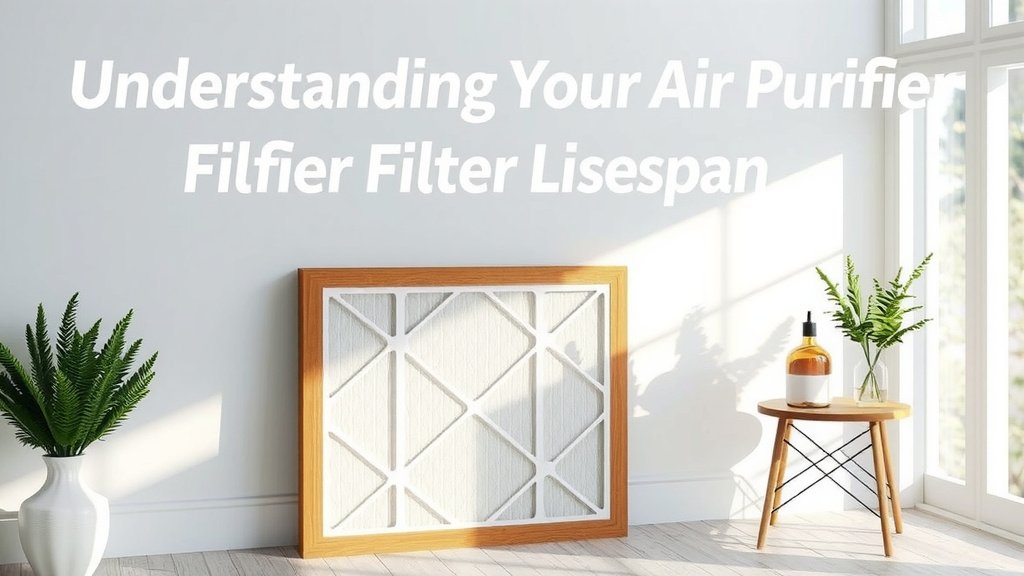
“`htmlUnderstanding Your Air Purifier Filter Lifespan
So, you’re curious about when to change your air purifier filter. It’s a common question, and for good reason! Your air purifier is working hard to keep your home’s air clean. Think of the filter as its lungs. If its lungs get clogged, it can’t do its job effectively.
Generally, most air purifier manufacturers recommend changing filters every 6 to 12 months. This is a good starting point. However, this timeframe isn’t set in stone. Several factors can influence how quickly your filter becomes saturated.
What Affects How Long a Filter Lasts?
Your environment plays a big role in filter life. If you live in an area with high levels of air pollution, your filter will likely need changing more often than someone in a cleaner rural setting. This is because there’s simply more particulate matter for the filter to capture.
We’ve also found that homes with pets tend to require more frequent filter changes. Pet dander, fur, and odors can really tax a filter. If your furry friends shed a lot, you might be looking at changing your filter sooner than the average.
Allergies and asthma can also be major factors. People with these conditions often use air purifiers to reduce allergens like dust, pollen, and mold spores. Capturing these tiny particles means the filter is doing its job, but it also means it fills up faster. Many medical organizations suggest that consistent use of an air purifier can help manage symptoms (Cleveland Clinic).
Signs Your Filter Needs Attention
Your air purifier might give you clues that the filter needs attention. One of the most common signs is a noticeable decrease in air quality. If you’re suddenly noticing more dust or a lingering odor, it could be your filter.
Sometimes, the unit itself will alert you. Many modern air purifiers have filter change indicator lights. These are super handy and take the guesswork out of it. When that light comes on, it’s time to act!
Another indicator is if the air purifier seems to be running louder or struggling. A dirty, clogged filter restricts airflow. This makes the fan work harder, which can lead to increased noise and reduced efficiency.
Physical Filter Inspection
You can also do a visual check. Carefully remove the filter and examine it. If it looks visibly grey, brown, or black with accumulated dust and debris, it’s definitely time for a change. You might even see larger particles stuck to it.
The Different Types of Air Purifier Filters
Not all air purifier filters are created equal. The type of filter your unit uses can also impact its lifespan. The most common types include:
- HEPA filters: These are highly effective at capturing tiny particles.
- Activated carbon filters: These are great for absorbing odors and gases.
- Pre-filters: These capture larger particles like hair and dust bunnies, protecting the main filters.
Often, an air purifier will have a combination of these. For example, a unit might have a washable pre-filter, a HEPA filter, and an activated carbon filter. Each component has its own lifespan and maintenance needs. The pre-filter might be cleanable, but the HEPA and carbon filters are typically disposable.
| Filter Type | Typical Lifespan | Notes |
|---|---|---|
| Pre-filter (Washable) | Clean as needed | Extends life of other filters |
| HEPA Filter | 6-12 months | Depends heavily on usage and air quality |
| Activated Carbon Filter | 3-6 months | Good for odors; saturates faster |
| Combined Filters | 6-12 months | Often dictated by the HEPA component |
As you can see, the activated carbon filter often needs replacement more frequently, especially if you’re battling strong odors. We found that understanding these differences helps you manage your purifier’s maintenance effectively.
Why Prompt Filter Replacement Matters
Skipping filter changes can have consequences. A clogged filter drastically reduces the amount of air your purifier can process. This means it’s less effective at removing pollutants from your home. It’s like trying to breathe through a straw!
Furthermore, a heavily saturated filter can become a breeding ground for mold or bacteria. This is counterproductive to having clean air. Many health experts emphasize the importance of clean filters for optimal performance (CDC).
Also, letting a filter degrade too much can put a strain on your air purifier’s motor. Over time, this could potentially lead to premature wear and tear on the unit itself. Replacing the filter is a small maintenance task that protects your investment.
Making Filter Changes a Habit
So, how do you make sure you don’t forget? We’ve found that setting up a reminder system is key. Here’s a simple checklist to help:
- Note your purchase date: Write down when you bought the purifier or last changed the filter.
- Set calendar alerts: Use your phone or computer calendar to set reminders.
- Check the indicator light: Pay attention to any warning lights.
- Inspect the filter regularly: Give it a quick look every month or two.
- Consider your environment: If you have pets or allergies, plan for sooner changes.
- Keep a spare filter handy: Have a replacement ready before the old one is completely spent.
By being mindful of these points, you can ensure your air purifier is always working at its best, providing you and your family with cleaner, healthier air. It’s a simple step for a big improvement in your home’s atmosphere.
“`
Conclusion
Changing your air purifier filter regularly is vital for maintaining healthy indoor air. While the general guideline is every 6 to 12 months, your specific environment matters. Factors like pets, allergies, and pollution can shorten this timeframe significantly. Paying attention to your purifier’s performance and any indicator lights will help you know exactly when it’s time for a swap. Don’t underestimate the impact of a clean filter; it ensures your purifier works efficiently and keeps your home’s air fresh. Your next step should be to check your air purifier’s manual and set a reminder based on its recommendations and your home’s unique conditions.
Frequently Asked Questions
How do I know if my air purifier filter is dirty?
You’ll often notice a decrease in air quality, like more dust or lingering smells. Many purifiers have a filter change indicator light that will turn on. A visibly dirty filter or a purifier running louder than usual are also strong signs it needs attention.
Can I wash my air purifier filter?
Some pre-filters are washable and meant to be cleaned regularly. However, HEPA and activated carbon filters are typically disposable and cannot be washed. Always check your air purifier’s manual to determine if your specific filter type is washable or needs replacement.
How often should I change my air purifier filter if I have pets?
If you have pets, especially those that shed a lot, you’ll likely need to change your filter more frequently than the standard recommendation. Pet dander, fur, and odors can saturate the filter much faster, so consider changing it every 3-6 months.
Does air quality affect how often I need to change my filter?
Yes, absolutely. If you live in an area with high outdoor pollution or experience frequent dust and smoke, your air purifier filter will collect these particles more quickly. You may need to inspect and potentially change your filter more often, possibly every 4-6 months in such environments.
What happens if I don’t change my air purifier filter often enough?
Not changing your filter means your purifier becomes less effective at cleaning the air. A clogged filter restricts airflow, making the unit work harder and potentially causing wear on the motor. It can also become a breeding ground for mold or bacteria, defeating the purpose of having clean air.