When to Replace Your Air Purifier Filter for Clean Air
You should replace your air purifier filter every 6 to 12 months. This helps ensure your air purifier continues to effectively clean the air in your home. Skipping replacements can lead to poorer air quality and strain your appliance.
How often you actually need to change it depends on a few factors. These include how much you use your air purifier and the quality of the air in your environment. A good rule of thumb is to check your manufacturer’s recommendations.
- Replace filters every 6-12 months.
- Check filter life indicators.
- Consider usage and air quality.
- Dirty filters reduce effectiveness.
Below, we’ll walk you through exactly how often you should be swapping out your air purifier filter, and what can impact that timeline.
When Should You Consider Replacing Your Air Purifier Filter?
You’re probably wondering about the best timing for a filter swap. Replacing your air purifier filter typically happens every 6 to 12 months. This timeframe keeps your unit working its best to clean your home’s air. Neglecting this can lead to less effective air cleaning and a shorter lifespan for your appliance.
Understanding Your Air Purifier’s Needs
Think of your air purifier filter like a sponge for your air. Over time, it soaks up dust, pollen, pet dander, and other tiny particles. Once it’s full, it can’t absorb much more. This means the air flowing through it isn’t getting as clean as it should be. That’s why regular changes are so important for your health and your home’s air quality.
The Manufacturer’s Guide is Key
The most accurate guidance comes straight from the source. Always check the owner’s manual for your specific air purifier model. Manufacturers test their units thoroughly. They know the filter lifespan best. You’ll find specific recommendations for filter replacement in that booklet. Many modern units even have indicator lights that signal when it’s time for a change.
Filter Life Indicators: Your Smart Assistant
Many air purifiers today are equipped with smart features. These include filter life indicators. These indicators are usually lights or digital displays. They track how long the filter has been in use and how hard it’s been working. Some even estimate remaining filter life based on usage patterns and air quality sensor data. It’s a convenient way to avoid guesswork and ensure optimal performance.
Factors Influencing Filter Lifespan
While 6-12 months is a general rule, your actual replacement schedule might be different. Several factors can speed up or slow down the filter’s “expiration date.” Understanding these can help you make a more informed decision about when to change it.
Usage Frequency: More Use Means More Changes
How often do you run your air purifier? If you use it 24/7, especially in a large space, the filter will clog up faster. Continuous operation means constant exposure to airborne particles. On the other hand, if you only run it for a few hours a day, or only during specific seasons, your filter might last longer. We found that units in high-traffic areas or those used in homes with multiple pets tend to need earlier replacements.
Air Quality: The Dirtier the Air, the Quicker the Clog
Your home’s environment plays a big role. If you live in an area with high outdoor pollution, or if your home frequently has dust, smoke, or pet dander, your filter will get dirty much faster. Homes with allergy sufferers or respiratory issues often benefit from running air purifiers constantly. This means the filter works overtime to keep the air clean. In such cases, you might need to replace the filter more often than the standard recommendation, perhaps every 3 to 6 months.
Common Culprits for Dirty Air
What makes your air purifier’s job harder? Think about things like:
- Living in a busy city with lots of traffic and smog.
- Having pets that shed a lot.
- Smoking indoors.
- Frequent cooking, especially with gas stoves.
- Construction or renovations happening nearby.
- Homes with older carpeting or upholstery that holds dust.
- Seasonal allergies due to pollen or mold.
Each of these situations puts more strain on your filter, reducing its effective lifespan.
Type of Filter Matters Too
Not all air purifier filters are created equal. Different types have varying lifespans. Most air purifiers use a combination of filters:
- Pre-filters: These catch larger particles like hair and lint. They are often washable and can be cleaned regularly.
- HEPA filters: These are the workhorses, capturing 99.97% of particles down to 0.3 microns. They are not washable and must be replaced. Their lifespan is typically the 6-12 months mentioned.
- Activated Carbon filters: These help remove odors, gases, and VOCs (volatile organic compounds). They can also become saturated over time and need replacement.
Some units have integrated filters where all layers are replaced at once. Others allow for individual replacement of different filter types. Always refer to your manual to understand which filters come with your unit and how to maintain them.
Signs Your Air Purifier Filter Needs Changing
Besides relying on the indicator light or a calendar reminder, your air purifier might give you other clues. These are your signals that a filter change is due.
Reduced Airflow: A Clear Warning
Has the amount of air coming from your purifier seemed weaker lately? This is a major sign of a clogged filter. When the filter is full, it restricts airflow. This means less air is being drawn into the unit and, consequently, less clean air is being released. It’s like trying to breathe through a thick blanket!
Noticeable Odors or Stale Air
Are you still detecting unpleasant smells in your home, even with the air purifier running? Or does the air just feel generally stale? This often means the activated carbon filter is saturated. It can no longer effectively absorb odors and gases. A fresh carbon filter can make a world of difference.
Visible Dirt and Grime on the Filter
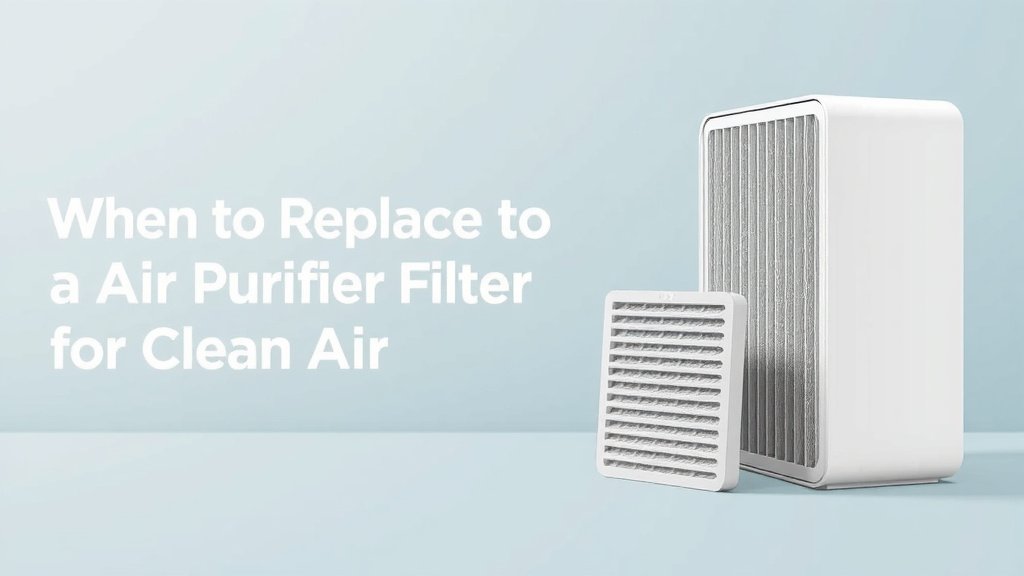
If you have a model where you can easily access and inspect the filter, take a peek. Is it visibly covered in dust, dirt, and debris? Does it look gray or black instead of its original color? This is a pretty straightforward indication that it’s time for a replacement. You can even see the trapped particles!
Quick Checklist: When to Swap Your Filter
Here’s a simple way to remember when it’s time:
- Has it been 6 months since the last replacement?
- Has it been 12 months and you’re unsure?
- Did the filter life indicator light up?
- Is the airflow from your purifier significantly weaker?
- Are you still noticing unpleasant odors in the room?
- Does the filter itself look visibly dirty or clogged?
If you answered “yes” to any of these, it’s likely time to get a new filter!
Conclusion
Taking care of your air purifier means paying attention to its filter. Most filters need a swap every 6 to 12 months. But remember, how much you use your purifier and the air quality in your home can change that timeline. Pay attention to reduced airflow, lingering odors, and the visual state of your filter. Following these cues ensures your unit keeps your home’s air as clean as possible. Your next step? Check your manual and mark your calendar for a filter change when needed.
Frequently Asked Questions
Can I just wash my air purifier filter instead of replacing it?
Most HEPA and activated carbon filters are not designed to be washed. Washing can damage them, making them less effective or even unusable. Pre-filters, however, often catch larger debris and may be washable – always check your manual first.
How do I know if my air purifier filter is dirty without a light indicator?
Look for signs like a noticeable decrease in the airflow coming from your unit. You might also start smelling unpleasant odors in the room, even with the purifier running. Visibly inspecting the filter for dust and discoloration is another good indicator.
What happens if I don’t replace my air purifier filter often enough?
If you skip filter changes, your air purifier’s effectiveness will decrease significantly. It won’t capture pollutants as well, and a clogged filter can actually start to recirculate dust and allergens. It also puts extra strain on the motor, potentially shortening the appliance’s lifespan.
Should I replace my filter more often if I have pets?
Yes, if you have pets, you likely need to replace your air purifier filter more frequently. Pet dander and hair are common air pollutants that clog filters quickly. You might find yourself needing a replacement every 3 to 6 months, especially if you have multiple pets or long-haired breeds.
Does the size of my room affect how often I need to change the filter?
The size of the room impacts how hard your air purifier works. If your purifier is running constantly on high in a large room to keep up, its filter will likely get dirty faster than one used intermittently in a smaller space. This increased workload means you may need to change the filter sooner than the general recommendation.