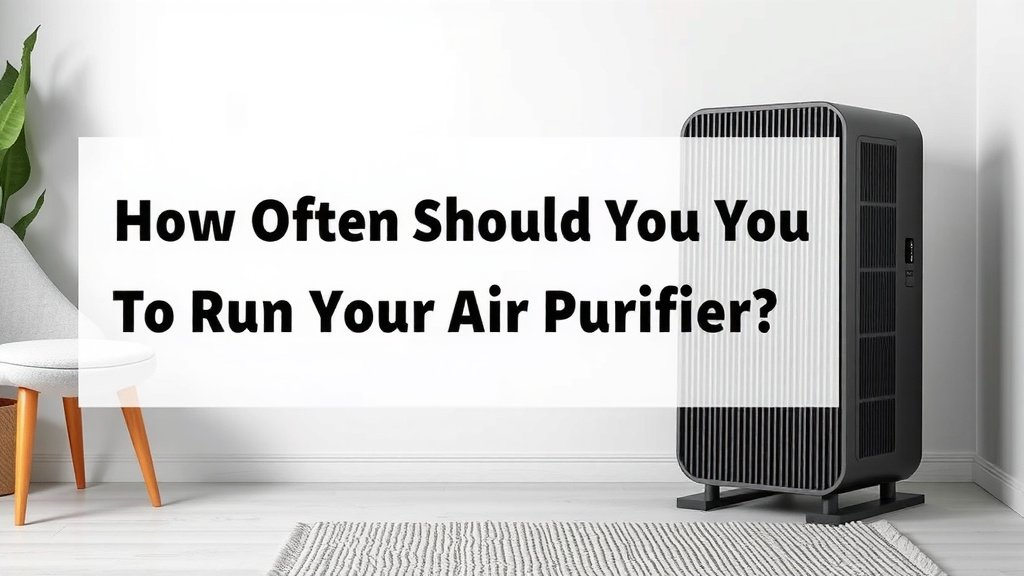
How Often Should You Run Your Air Purifier
You should run your air purifier as often as possible, ideally continuously, to get the most benefit from cleaner air. While you don’t have to run it 24/7, keeping it on whenever you’re home provides the best air quality. Think of it like leaving a light on – it works best when it’s on!
Running your air purifier consistently helps reduce allergens like dust and pollen and can also tackle lingering odors. Many models are designed for energy efficiency, meaning continuous use won’t break the bank on your electricity bill. It’s a small investment for healthier breathing air inside your home.
- Run your air purifier constantly for best results.
- It helps remove allergens, dust, and odors.
- Continuous use is energy-efficient.
- No need to run it when you’re away often.
- Check your model’s specific recommendations.
Let’s walk through exactly how often you should be running your air purifier to get the most bang for your buck, and when you might be able to take a break.
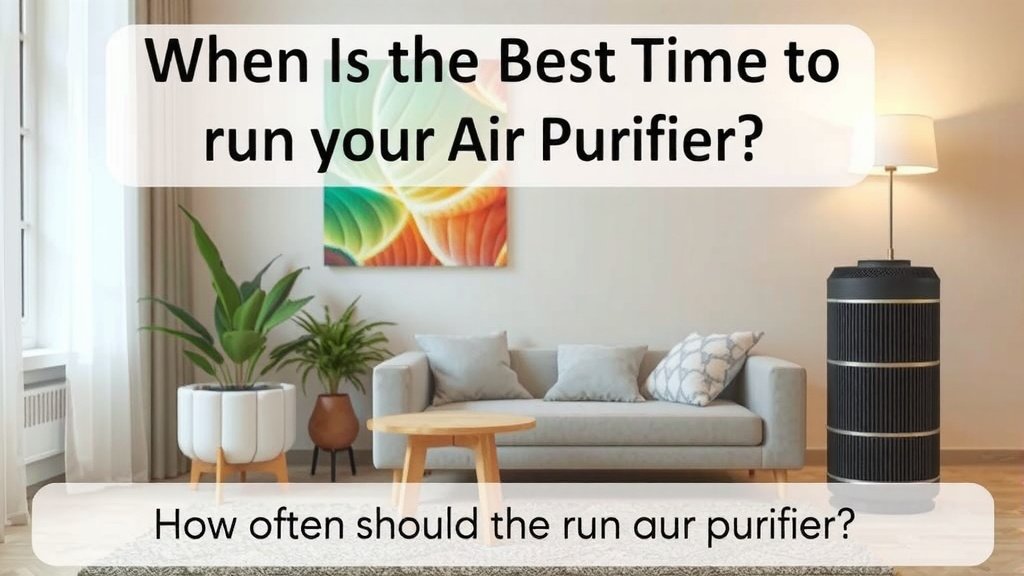
When Is the Best Time to Run Your Air Purifier?
You should aim to run your air purifier as much as possible, ideally continuously, for the best results. Think of it like a refrigerator – it’s designed to run all the time to keep things fresh. Your air purifier works best when it has a constant opportunity to clean the air in your home.
Understanding Air Purifier Usage: Continuous vs. Intermittent
Most modern air purifiers are designed for energy efficiency. This means running them 24/7 won’t drastically increase your electricity bill. Many units use less energy than a standard light bulb. This continuous operation ensures that airborne particles like dust, pollen, and pet dander are constantly being captured.
The Benefits of Constant Air Purification
When your air purifier runs constantly, it provides a consistent level of clean air. This is especially helpful for people with allergies or asthma. You’re not just cleaning the air once; you’re maintaining a healthier environment throughout the day and night. It’s like having a tiny cleaning crew working silently in the background.
When You Might Consider Turning It Off
While continuous use is recommended, there are a few times you might choose to turn it off or reduce its usage. If you’re going to be away from home for an extended period, like a week-long vacation, you can likely turn it off to save energy. There’s no need to purify air that no one is breathing.
Factors Influencing How Often You Should Run Your Air Purifier
Several factors can influence your decision on how often to run your air purifier. These include your personal health needs, the air quality in your area, and the presence of specific pollutants in your home.
Personal Health Needs: Allergies and Asthma
If you or someone in your household suffers from allergies, asthma, or other respiratory conditions, running your air purifier continuously is highly beneficial. Studies suggest that air purifiers can help reduce symptoms by capturing allergens like pollen, dust mites, and pet dander (Cleveland Clinic). For these individuals, constant purification means fewer triggers in the air they breathe.
Environmental Air Quality: Indoors and Outdoors
Consider the air quality both inside and outside your home. If you live in an area with high outdoor pollution or frequent wildfire smoke, running your purifier constantly can be a lifesaver. Even with windows closed, pollutants can find their way inside. An air purifier helps mitigate this infiltration. Similarly, if your home has poor ventilation, continuous operation is key.
Specific Household Pollutants
Do you have pets? Are you an avid cook? Do you smoke indoors? These activities introduce pollutants into your home. Pets shed dander, cooking can release smoke and VOCs (volatile organic compounds), and smoking leaves behind harmful particles. Running your air purifier frequently, especially during and after these activities, helps clear the air quickly.
Optimizing Your Air Purifier’s Performance
To get the most out of your air purifier, it’s not just about how often you run it, but also where you place it and how you maintain it. These steps ensure it’s working efficiently for your health.
Placement Matters: Where to Put Your Air Purifier
For optimal performance, place your air purifier in the room where you spend the most time. This is often the bedroom or living room. Ensure there’s space around the unit for proper airflow. Experts recommend leaving at least a foot of clearance on all sides. Avoid placing it directly against walls or furniture, as this can obstruct its ability to draw in and clean air.
Filter Maintenance: A Key to Continuous Clean Air
Your air purifier is only as effective as its filters. Regularly check and replace your filters according to the manufacturer’s instructions. Clogged filters can’t capture pollutants efficiently and can even recirculate dust. Many units have indicator lights to let you know when it’s time for a change. We found that neglecting filter maintenance is one of the most common reasons air purifiers underperform.
Understanding Energy Consumption and Modes
Most air purifiers have multiple settings, including low, medium, and high fan speeds, and sometimes an “auto” mode. Auto mode uses sensors to adjust the fan speed based on detected air quality. While running on high cleans air faster, it also uses more energy and can be louder. For continuous use, a medium or auto setting is often a good balance between effectiveness and energy saving. Many units are designed to be energy-efficient, so continuous operation is quite feasible.
Here’s a quick look at typical energy usage:
| Setting | Estimated Wattage | Energy Cost (per month, approx.)* |
|---|---|---|
| Low/Sleep | 10-25 Watts | $1.50 – $3.75 |
| Medium | 25-50 Watts | $3.75 – $7.50 |
| High | 50-100+ Watts | $7.50 – $15.00+ |
| Auto Mode | Varies | Varies |
*Estimated monthly cost based on running 24/7 at $0.15/kWh. Actual costs will vary by electricity rates and unit usage.
When Not to Worry About Running Your Air Purifier 24/7
While continuous operation is generally best, don’t stress if you forget to turn it on or need to turn it off sometimes. The unit still provides benefits even if it’s not running constantly. If you only run it when you’re home, you’ll still notice an improvement in air quality compared to not using one at all. The key is consistency over perfection.
Here’s a quick checklist for optimal air purifier use:
- Run it as often as possible, especially when you’re home.
- Consider continuous operation for health reasons.
- Check and replace filters regularly.
- Place it in your most-used room.
- Ensure good airflow around the unit.
- Use auto mode if available for efficiency.
Conclusion
You’ve learned that running your air purifier continuously is the best way to ensure consistently clean air in your home, especially if you have allergies or live in an area with poor air quality. Modern units are designed for energy efficiency, so 24/7 operation is often affordable and beneficial. Remember that proper placement and regular filter maintenance are just as important as how often you run it. Start by placing your purifier in your main living space and set a reminder to check those filters soon. Your lungs will thank you!
Frequently Asked Questions
Do I need to run my air purifier all day and night?
Running your air purifier as often as possible, ideally continuously, provides the most benefit. If you spend most of your time at home, keeping it on 24/7 is recommended for the best air quality. However, if you’re away for extended periods, you can turn it off to save energy.
Will running my air purifier 24/7 increase my electricity bill a lot?
Most modern air purifiers are very energy-efficient. Many use less energy than a standard light bulb, so continuous use typically has a minimal impact on your electricity bill. The table we reviewed showed that even on higher settings, the monthly cost is often quite low.
Should I run my air purifier more when pollen counts are high?
Yes, absolutely. If you suffer from seasonal allergies, it’s a great idea to run your air purifier more frequently, or even continuously, during peak pollen seasons. This helps capture those airborne allergens before they can trigger your symptoms.
Is it okay to turn off my air purifier when I’m sleeping?
While many units have a “sleep mode” that’s quiet and energy-efficient, it’s generally best to keep it running while you sleep. Your bedroom air can accumulate pollutants overnight. Continuous operation, even on a low setting, helps maintain cleaner air while you rest.
How does an air purifier’s “auto mode” affect how often I should run it?
If your air purifier has an auto mode, you can often leave it on continuously. This mode uses sensors to detect air quality and adjusts the fan speed accordingly. It’s a convenient way to ensure your purifier is working effectively without constant manual adjustments.