How Often to Clean Your Air Purifier for Best Results
By 2026, we’re all about optimizing our living spaces for ultimate well-being, and that includes the air we breathe. To ensure your air purifier is working overtime to banish dust, pollen, and those pesky allergens, a quick filter refresh every 1-3 months is still your go-to strategy. Think of it as a spa day for your purifier; it keeps it running at peak performance, saving you from unnecessary wear and tear and guaranteeing you the freshest air possible.
How often you clean really depends on a few things. Your air quality at home matters a lot. If you have pets or live in a dusty area, you might need to clean them more often. Many experts agree that consistent maintenance means a longer lifespan for your air purifier.
- Clean filters every 1-3 months.
- Pets or dust mean more frequent cleanings.
- Check your manual for specific advice.
- Clean filters improve air quality.
- Regular cleaning extends purifier life.
Let’s walk through exactly what you need to do to get your air purifier sparkling clean and working efficiently.
When Should You Give Your Air Purifier a Spa Day?
You’re probably wondering how often you really need to clean your air purifier. It’s not a “set it and forget it” kind of appliance. Think of it like your car – regular maintenance keeps it running smoothly. Most manufacturers suggest a good cleaning every 1 to 3 months. This isn’t just a suggestion; it’s key for effective air cleaning. A dirty filter is like a clogged nose – it can’t do its job well.
Factors That Influence Your Cleaning Schedule
While 1-3 months is a good general rule, your home environment plays a big role. Some factors mean you’ll need to clean more often. It’s all about what your air purifier is working against.
Your Home’s Air Quality Matters
Is your air generally clean, or do you live in a city with a lot of pollution? Do you have allergies or asthma? If your air quality is already a concern, your purifier is working harder. This means you should aim for the shorter end of the cleaning window, perhaps every 4-6 weeks. We found that homes in highly populated areas or near busy roads often benefit from more frequent filter checks.
Pet Power and Their Dander
Ah, furry friends! We love them, but they do contribute to indoor air pollutants. Pet dander is a common allergen. If you have one or more pets shedding hair and dander, your air purifier filter will likely get clogged faster. You might need to clean it every 4 weeks instead of every 3 months. It’s a small price to pay for puppy kisses, right?
Dust Bunnies Are More Than Just a Nuisance
Homes, especially those with older windows or located in drier climates, can accumulate dust quickly. If you see dust settling on surfaces faster than you can wipe it down, your air purifier is undoubtedly capturing a lot of it. In such cases, a monthly cleaning might be necessary to keep the unit efficient. We found that homes with older HVAC systems can also experience higher dust levels, making frequent purifier cleaning important.
Cooking Habits and Their Airborne Effects
Do you love to cook? Especially if you often fry or grill indoors, your air purifier can help manage those cooking odors and smoke particles. However, this also means the filter is working overtime to capture these airborne particulates. Depending on how often you cook these types of meals, you may need to check and clean your filter more frequently, possibly every 6-8 weeks.
Understanding Different Filter Types and Their Needs
Not all air purifiers are created equal, and neither are their filters. The type of filter your unit uses will affect how often it needs attention and how you clean it.
Pre-filters: The First Line of Defense
Many air purifiers have a pre-filter. This is usually a mesh layer designed to catch larger particles like hair and big dust clumps. Pre-filters are often washable. Cleaning this layer every 1-2 months can significantly extend the life of your other filters. Think of it as cleaning the welcome mat before guests even step inside.
HEPA Filters: The Heavy Hitters
True HEPA filters are designed to capture 99.97% of airborne particles down to 0.3 microns. These are typically not washable. They need to be replaced, usually every 6 to 12 months. However, some manufacturers recommend cleaning the pre-filter connected to the HEPA filter. Always check your manual for specific instructions on HEPA filter maintenance.
Activated Carbon Filters: For Odor and Gas Capture
Activated carbon filters excel at absorbing odors, smoke, and VOCs (volatile organic compounds). Like HEPA filters, these are usually not washable and require replacement, typically every 3 to 6 months. They can become saturated with odors, making them less effective over time. We found that heavily perfumed homes or areas with strong cooking smells might necessitate earlier replacement.
A Quick Guide to Filter Cleaning and Maintenance
Cleaning your air purifier’s filters is usually straightforward. Always start by consulting your specific model’s user manual. It’s the best source for detailed instructions tailored to your appliance.
Step-by-Step Cleaning Process
Most cleanable filters (usually pre-filters) can be cleaned using a vacuum cleaner with a brush attachment. For a more thorough clean, some can be gently rinsed under cool running water. Ensure the filter is completely dry before returning it to the purifier. A damp filter can encourage mold growth, which defeats the purpose of cleaning.
Vacuuming for a Quick Refresh
Many experts recommend regularly vacuuming your air purifier’s pre-filter. This can be done every 2-4 weeks, even if you’re not doing a full wash. Use your vacuum’s brush attachment on a low setting. This removes loose dust and hair, keeping the airflow strong. This is a simple step that makes a big difference.
Washing Washable Filters
If your filter is washable, rinse it under cool water. Avoid hot water, as it can damage the filter material. Let it air dry completely. This usually takes at least 24 hours. Never put a wet filter back into your air purifier.
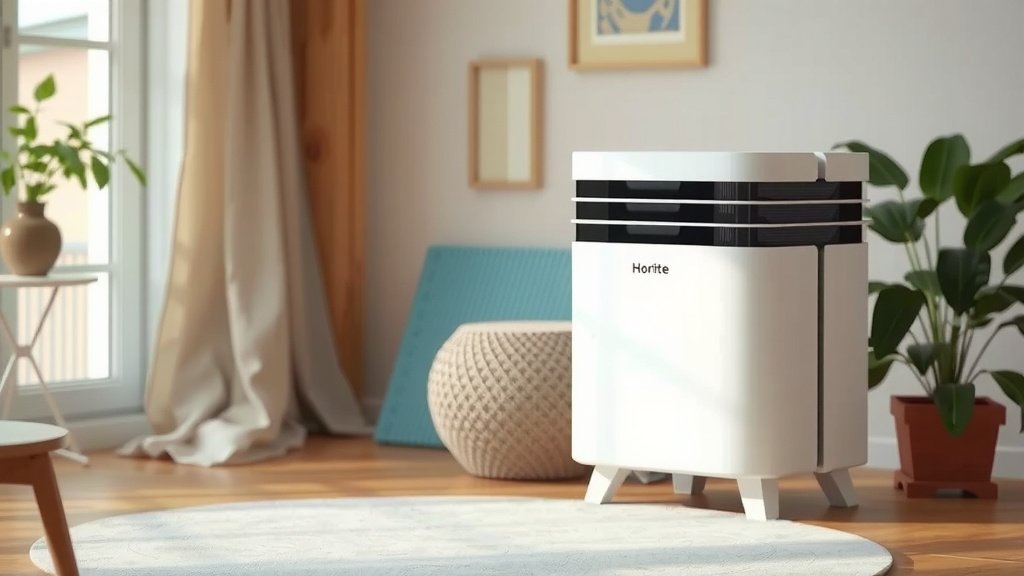
When to Know It’s Time for Replacement
Even with regular cleaning, filters have a lifespan. You’ll know it’s time for a replacement when you notice these signs:
- Reduced airflow from the unit.
- A persistent dusty smell or lingering odors.
- The filter looks visibly dirty, discolored, or damaged.
- Your purifier’s indicator light (if it has one) signals it’s time.
Replacing filters as recommended by the manufacturer is crucial for optimal performance. Research indicates that using old, clogged filters can reduce energy efficiency and even lead to premature appliance failure (US Department of Energy).
Your Air Purifier Maintenance Checklist
Here’s a quick checklist to help you stay on top of your air purifier’s needs:
- Weekly: Visually inspect the exterior for dust buildup.
- Monthly: Vacuum the pre-filter to remove loose debris.
- Every 1-3 Months: Wash washable pre-filters if needed.
- Every 6-12 Months: Replace HEPA and carbon filters (or as manual dictates).
- Always: Refer to your user manual for specific cleaning/replacement guidance.
- Listen: If the unit sounds louder or airflow decreases, check the filters.
| Filter Type | Cleaning Frequency | Replacement Frequency |
|---|---|---|
| Pre-filter (Washable) | Every 1-2 months | As needed (usually lasts years) |
| HEPA Filter | Do Not Wash | Every 6-12 months |
| Activated Carbon Filter | Do Not Wash | Every 3-6 months |
Conclusion
Taking care of your air purifier is more than just a chore; it’s an investment in your home’s health. You’ve learned that a general rule of cleaning filters every 1 to 3 months is a great starting point. But remember, factors like pets, dust, and cooking habits mean you might need to clean more often. Always check your specific filter types—washable pre-filters can be cleaned, while HEPA and carbon filters typically need replacing. Make a habit of regular checks and cleaning. Your next step is to grab your air purifier’s manual and schedule your first filter check within the next month!
Frequently Asked Questions
How do I know if my air purifier filter actually needs cleaning?
Look for a few key signs. Reduced airflow from the unit is a big indicator, as is a noticeable increase in dust around your home. If you start to smell lingering odors that the purifier should be tackling, it’s also a strong signal. Many purifiers have an indicator light that will alert you when it’s time for maintenance.
Can I just rinse my HEPA filter instead of buying a new one?
Generally, no. True HEPA filters are designed to capture extremely fine particles and are not meant to be washed. Rinsing them can damage the delicate material and compromise their ability to filter effectively. It’s best to replace HEPA filters as recommended by the manufacturer, typically every 6-12 months.
My air purifier smells musty. What does that mean?
A musty smell often means your filters are overloaded with trapped moisture and pollutants, or that mold or mildew has begun to grow on them. This is a clear sign that your filters need immediate attention—either thorough cleaning for washable pre-filters or replacement for HEPA and carbon filters. Don’t ignore this; it can spread unpleasant odors and potentially allergens.
How often should I vacuum my air purifier’s filter?
Even if you’re not doing a full wash, regular vacuuming is helpful, especially for pre-filters. You can vacuum your pre-filter about every 2-4 weeks. Use a brush attachment on your vacuum cleaner. This simple step removes loose dust and hair, helping to maintain good airflow and extending the life of your other filters.
Is it okay to leave my air purifier running while I clean the filter?
No, you should always unplug your air purifier before attempting any cleaning or maintenance. Operating the unit while removing or cleaning filters can cause damage to the appliance or even pose a safety risk. Ensure the unit is completely powered off and unplugged for your safety and the purifier’s longevity.