Adjusting Your Air Compressor Pop Off Valve: A Quick Guide
Adjusting your air compressor’s pop off valve, also known as the safety relief valve, is a straightforward process that ensures your equipment operates safely. You can adjust it by carefully turning the adjustment screw, but it’s often best to replace it if it’s malfunctioning. Always ensure the compressor is unplugged before making any adjustments.
This safety device prevents dangerous pressure buildup in your tank. If it’s set too low, you’ll hear it hissing often. If it’s set too high, your tank could be at risk. Understanding its role is key to safe air compressor maintenance. Many users find it best to consult their manual for specific settings.
- The pop off valve protects your air compressor.
- It prevents dangerous pressure buildup.
- Adjustments can be made via an adjustment screw.
- Replacement is often a safer option than adjustment.
- Always unplug your compressor first.
Let’s walk through the best practices for managing your air compressor’s pop off valve, making sure it’s ready when you need it.
Getting Your Air Compressor’s Pop Off Valve Adjusted Correctly
The pop off valve, or safety relief valve, is your air compressor’s superhero. It’s there to keep you and your equipment safe from too much pressure. Knowing how to manage it is key for smooth operation. We’ll guide you through understanding its function and the safest ways to handle its settings.
Understanding the Role of Your Safety Relief Valve
Think of the pop off valve as a pressure watchdog. Its main job is to release excess air if the pressure inside your compressor tank gets too high. This prevents the tank from bursting, which could be very dangerous. It’s a **critical safety feature** you shouldn’t ignore.
Why Pressure Matters
Air compressors store air under pressure. This pressurized air is what powers your tools. But too much pressure can stress the tank beyond its limits. Research shows that over-pressurization is a leading cause of air compressor failures and accidents (Occupational Safety and Health Administration). The pop off valve acts as the emergency exit for this excess pressure.
When to Worry About Your Pop Off Valve
You might need to check your pop off valve if it’s constantly hissing. This usually means the pressure setting is too low, and it’s releasing air unnecessarily. On the flip side, if it never seems to release air, even when the tank is under high pressure, that’s a **serious concern**. It might not be working when you need it most.
Steps for Adjusting the Pop Off Valve (Use With Caution!)
Many users wonder if they can simply tweak the pop off valve themselves. While some valves have adjustment screws, it’s often **safer and more reliable to replace it** if it’s not working correctly. Tampering with safety devices can void warranties and, more importantly, create hazards. However, understanding the adjustment process can be helpful.
Before You Begin: Safety First!
This is the most important step, so pay close attention. Always, always, always make sure your air compressor is **completely unplugged from the power source**. You don’t want the motor to start unexpectedly while you’re working on it. Ensure the tank has been safely depressurized as well. Releasing the pressure slowly through a connected tool or a drain valve is a good practice.
Locating the Adjustment Screw
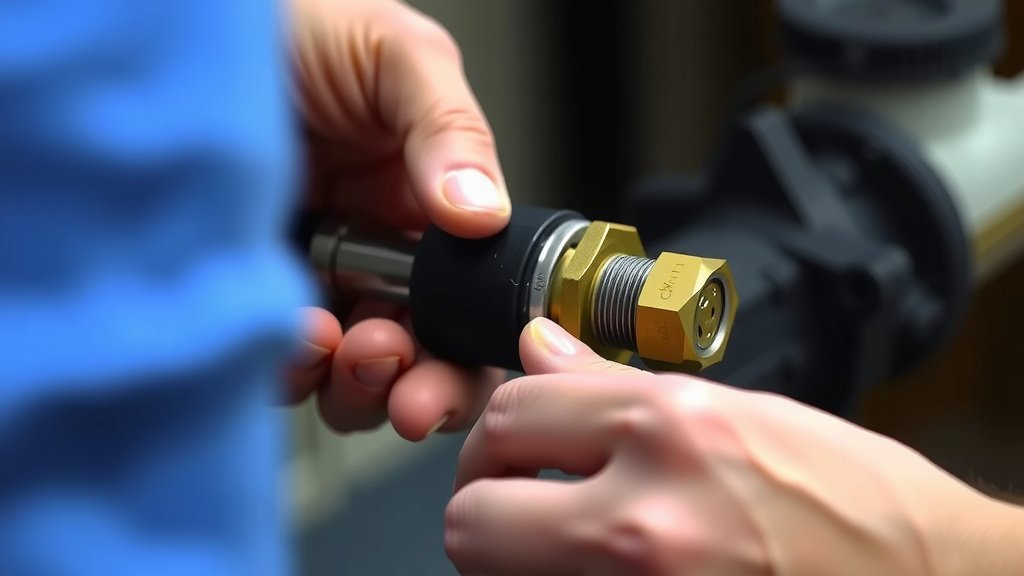
Not all pop off valves are designed for adjustment. Many newer models are factory-set and designed for replacement, not tinkering. If yours does have an adjustment screw, it’s usually located at the **base of the valve stem**, under a cap or locknut. You might need a wrench or screwdriver to access it.
The Adjustment Process Itself
If you’ve identified an adjustment screw and are proceeding with caution:
- Slowly turn the screw. A slight turn can make a big difference.
- Turn it clockwise to increase the pressure at which the valve pops.
- Turn it counter-clockwise to decrease the pop-off pressure.
Why Replacement Might Be Your Best Option
We found that many air compressor manuals and repair guides strongly recommend replacement over adjustment for safety relief valves. Why? Because these valves are precision-engineered safety devices. Trying to adjust one might inadvertently weaken its ability to function correctly under extreme pressure. Plus, new valves are relatively inexpensive. Replacing it ensures you have a **certified and tested safety component**. Many experts agree that replacing a faulty safety valve is the most straightforward and secure approach.
Troubleshooting Common Pop Off Valve Issues
Dealing with a misbehaving pop off valve can be frustrating. Let’s look at some common problems and what they might mean for you.
The Valve is Constantly Hissing
If you hear a faint hiss, it means the valve is opening slightly. This usually points to a **pressure setting that’s too low**. The compressor is working harder than it needs to, or the valve might be worn. You can try a small adjustment if your valve allows it, but it might be time for a replacement if the hissing persists.
The Valve Never Opens (The Scary Scenario)
This is the situation that gives maintenance professionals the most concern. If your compressor builds pressure well above its normal operating limit and the pop off valve stays silent, it’s **not performing its safety duty**. Do not use the compressor until this is resolved. It’s a clear sign that the valve is either faulty, seized, or incorrectly set and requires immediate attention, most likely replacement.
The Valve Opens Prematurely
If the valve releases air at a pressure significantly lower than what your compressor is rated for, it could be due to a few things. The valve might be damaged, or the spring inside could be weakened. Again, replacement is the **most dependable solution** here.
When to Call a Professional
While some basic maintenance is doable, air compressor systems can be complex. If you’re uncomfortable with any part of this process, or if you suspect a more significant issue with your compressor’s pressure system, it’s always wise to bring in an expert. They have the tools and knowledge to diagnose problems accurately and perform repairs safely. Don’t hesitate to reach out if you’re in doubt about your compressor’s safety or performance.
A Quick Checklist for Pop Off Valve Health
Here’s a quick rundown to help you keep your pop off valve in check:
- Always unplug the compressor before inspecting or touching the valve.
- Listen for any unusual hissing or absence of the pop-off sound.
- Check your compressor’s manual for specific valve information.
- Consider replacing the valve if you suspect it’s not functioning correctly.
- Ensure the tank is safely depressurized before any work.
- If unsure, consult a qualified technician.
Conclusion
You’ve learned that your air compressor’s pop off valve is a vital safety component. While some models feature an adjustment screw, we’ve found that replacing a malfunctioning valve is often the safest and most reliable option. Always remember to unplug your compressor and depressurize the tank before attempting any work. By understanding your valve’s function and knowing when to seek professional help, you ensure your equipment operates safely and efficiently. Your next step should be to inspect your valve and consult your manual for specific guidance on maintenance or replacement.
Frequently Asked Questions
How do I know if my pop off valve needs adjustment or replacement?
If you hear your pop off valve hissing frequently, it likely indicates the pressure setting is too low, or the valve might be worn. If the valve never opens even when the tank pressure is very high, that’s a serious safety concern and points to a need for immediate replacement. Always prioritize safety over adjustment if you suspect any malfunction.
Can I just tighten the pop off valve to stop it from leaking?
While some valves have an adjustment screw, simply tightening it without understanding the correct pressure settings can be dangerous. Research indicates that these valves are precision safety devices; tampering can compromise their function. If you notice a leak or hiss, it’s best to check your manual or consider replacing the valve to ensure correct operation.
What is the correct pressure setting for my pop off valve?
The correct pressure setting for your pop off valve is determined by your air compressor’s tank specifications and design. You can find this information in your air compressor’s owner’s manual. It’s usually set slightly above the maximum operating pressure indicated on the tank or compressor’s nameplate.
Is it safe to adjust the pop off valve myself?
Adjusting the pop off valve yourself requires caution and a clear understanding of pressure dynamics. If your valve has an adjustment screw, make small, incremental changes and re-test. However, due to the critical safety function of this valve, many experts and manuals recommend replacement if it’s not functioning correctly, as it’s often a more secure solution.
Where can I buy a replacement pop off valve for my air compressor?
You can typically purchase replacement pop off valves from the manufacturer of your air compressor or from authorized service centers. Many online retailers specializing in air compressor parts and industrial hardware also carry a wide selection. Be sure to get the exact model or a compatible replacement specified in your compressor’s manual.