How to Aerate Pool with Air Compressor: Step-by-Step Guide
Yes, you can aerate your pool with an air compressor, and it’s a great way to boost water circulation. This method helps distribute chemicals evenly and can even improve filtration efficiency. Many pool owners find it a cost-effective alternative to dedicated pool aerators.
Using an air compressor for pool aeration involves carefully introducing air bubbles into your water system. This process can help prevent stagnant areas where algae might grow. It’s a practical DIY approach that many have successfully implemented to maintain a cleaner pool.
- Using an air compressor for pool aeration is possible.
- It helps distribute pool chemicals and improve filtration.
- This can prevent stagnant water and algae growth.
- It’s often a budget-friendly DIY solution.
- Proper setup is key for effectiveness and safety.
Let’s walk through exactly how you can set up an air compressor to aerate your pool, ensuring you do it safely and effectively.
So, you’re curious about giving your pool a little extra pep with an air compressor. It’s a smart move! Think of it like giving your pool water a good, invigorating breath of fresh air. This can make a real difference in how your pool looks and feels. Plus, it can save you some money. Let’s get into the nitty-gritty of how you can make this happen for your pool.
Using an Air Compressor for Pool Aeration
You can definitely use an air compressor to aerate your pool. It’s a clever way to boost water circulation without fancy equipment. This method is all about introducing air bubbles into your pool’s water system. It helps to break up stagnant areas and keep things moving.
Why Aerate Your Pool?
Aerating your pool is more than just adding bubbles. It’s about creating a healthier aquatic environment. Good circulation is key to a balanced pool. Stagnant water can become a breeding ground for algae and bacteria. It can also lead to uneven chemical distribution.
- Improves water circulation throughout the pool.
- Helps distribute sanitizing chemicals more effectively.
- Reduces the chance of algae and bacteria growth in dead spots.
- Can enhance the performance of your pool’s filtration system.
- Offers a cost-effective DIY solution for many pool owners.
Understanding the Basic Principle
The idea behind aeration is simple physics. By introducing air, you create upward currents. These currents mix the water from the bottom to the top. This constant movement prevents water from sitting still. It’s like a natural stirring process for your entire pool.
Setting Up Your Air Compressor System
Getting your air compressor ready for pool duty requires a few steps. Safety first is always our motto. You’ll need to select the right type of compressor and connect it properly. We want to ensure it’s both effective and safe to operate.
Choosing the Right Air Compressor
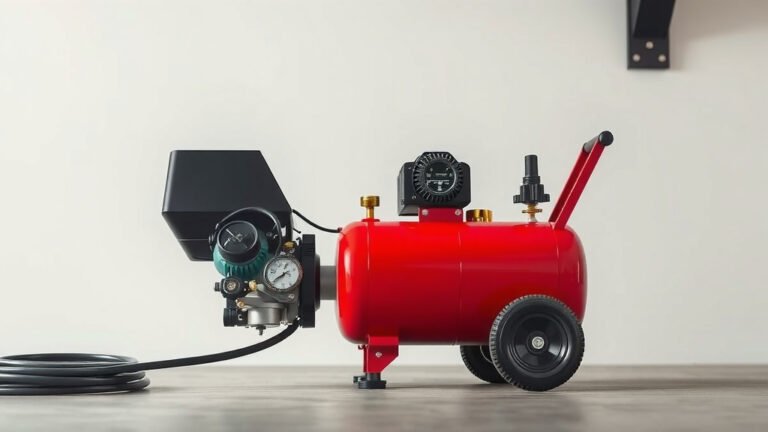
Not all air compressors are created equal. For pool aeration, you’ll want a compressor that can run continuously. Some smaller, portable compressors are designed for short bursts. Look for a model that can handle longer run times without overheating. Oil-free compressors are often preferred for this application. This is because they help prevent oil contamination of your pool water.
Compressor Types to Consider
We found that either a piston or a diaphragm type can work. Piston compressors are more common and generally more powerful. Diaphragm compressors are often quieter and lighter. Both can be suitable, depending on your pool size and desired aeration level. Always check the CFM (cubic feet per minute) rating. Higher CFM means more air output. This is generally better for larger pools.
Essential Components for Your Setup
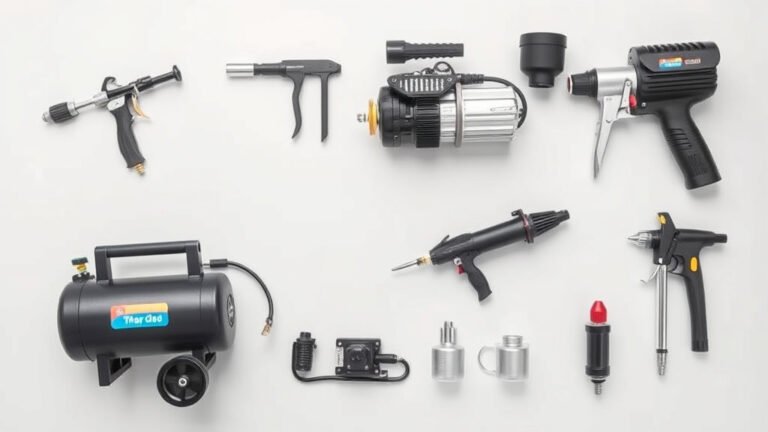
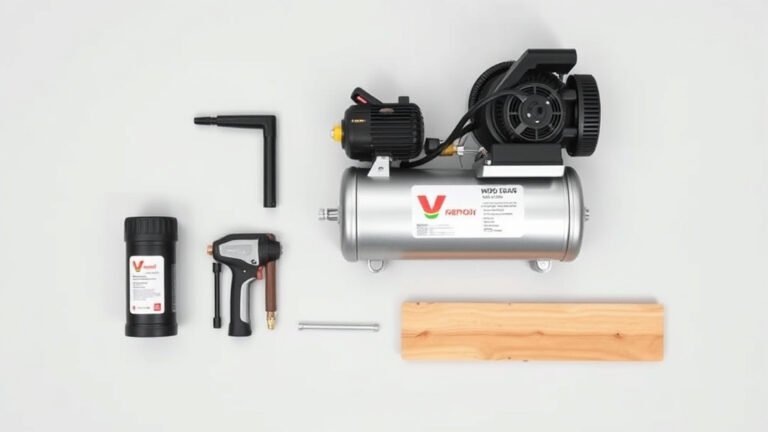
Beyond the compressor itself, you’ll need a few other items. Think of these as your aeration toolkit. You’ll need tubing to carry the air from the compressor to the pool. You’ll also need a way to introduce the air into the water effectively. A diffuser stone is your best bet for this. It breaks the air into tiny bubbles.
Air Tubing and Connections
Use food-grade or high-quality flexible tubing. This prevents the material from degrading. It also ensures no harmful chemicals leach into your water. Ensure the tubing is long enough to reach from your compressor’s location to the desired point in your pool. Secure connections are vital. Loose connections can lead to air leaks and reduce efficiency. You might need specialized fittings or hose clamps for a tight seal.
The Importance of Diffuser Stones
A diffuser stone is a small but mighty component. It’s like a showerhead for air. Instead of one big whoosh, it releases thousands of tiny bubbles. Smaller bubbles create a more vigorous upward lift. This leads to better water mixing. It also looks pretty cool! Many experts recommend ceramic or porous diffuser stones for optimal performance.
Placement and Safety Considerations
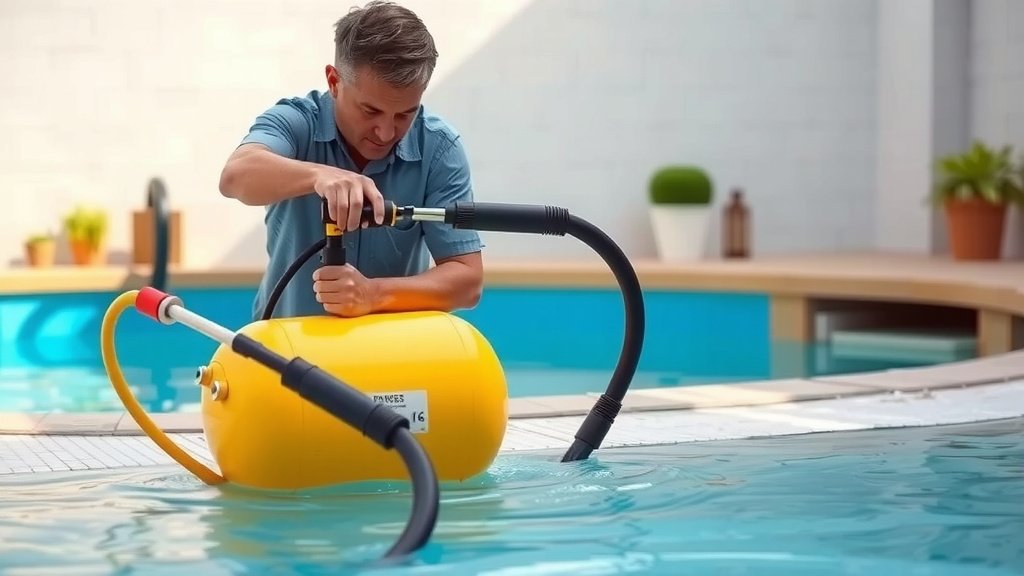
Where you put your air compressor matters. It needs to be away from direct water spray. Compressors are electrical devices. They should always be placed on a dry, stable surface. Many pool owners place their compressor on a deck or patio. Ensure it’s protected from rain and splashing. We found that using a GFCI outlet is a smart safety measure. This is especially important when dealing with electrical equipment near water. Check your local electrical codes for guidance on outdoor installations. It’s always wise to consult with an electrician if you’re unsure.
Integrating Aeration into Your Pool Routine
Once your setup is complete, it’s time to put it to work. You might be wondering how long to run it or when it’s most effective. Think of this as another tool in your pool maintenance shed.
When to Aerate Your Pool
You can aerate your pool anytime you want to boost circulation. Many people run their aerator during the day. This helps circulate the water and chemicals added for sanitation. Running it at night can also be beneficial. It can help equalize water temperature. It also adds oxygen to the water overnight. This is particularly useful in warmer climates. We found that consistent use is more beneficial than sporadic bursts. Aim for several hours each day, if possible.
Monitoring Your Pool’s Response
After you start aerating, keep an eye on your pool. You’ll likely notice clearer water and fewer dead spots. Observe how your pool chemicals are behaving. You might find that your chlorine levels remain more stable. This is because the water is circulating better. Pay attention to any changes in algae growth. You should see a reduction in stubborn patches. If you notice anything unusual, double-check your setup. Ensure all connections are secure and the compressor is functioning correctly.
A Simple Aeration Checklist
Here’s a quick rundown to get you started:
- Select an appropriate, continuous-run air compressor.
- Gather food-grade tubing and secure fittings.
- Invest in a quality diffuser stone for fine bubbles.
- Choose a safe, dry location for the compressor.
- Connect everything securely, away from direct water.
- Run the system for several hours daily for best results.
Conclusion
You’ve learned that using an air compressor is a smart, DIY way to boost your pool’s circulation. It’s a cost-effective method that helps distribute chemicals, prevent algae, and improve overall water quality. By choosing the right compressor and components like diffuser stones, you can create an effective aeration system. Safety and proper placement are key to a successful setup. Now, take the next step by gathering your materials and setting up your compressor for a cleaner, more inviting pool experience!
Frequently Asked Questions
Can I use any air compressor for my pool?
You’ll want an air compressor designed for continuous use. Smaller, portable compressors might overheat. Oil-free models are often best to prevent contaminating your pool water. Always check the compressor’s CFM rating for adequate air output.
What size compressor do I need for my pool?
The size depends on your pool’s volume and how much aeration you desire. For larger pools, look for a compressor with a higher CFM rating. We found that a moderate-sized compressor often works well for most residential pools. It’s better to have a little more power than not enough.
How do I connect the air compressor to the pool?
You’ll need food-grade flexible tubing to run from the compressor to your pool. Secure all connections with hose clamps to prevent air leaks. The tubing should then connect to a diffuser stone placed in the water. Ensure the compressor is safely located away from any water splashes.
How long should I run the air compressor each day?
Consistent aeration is key for best results. We recommend running your system for several hours each day. Many pool owners find running it during daylight hours effective. Some choose to run it overnight to help equalize water temperature and add oxygen.
Will aerating my pool reduce my chemical usage?
Aeration improves water circulation, which helps chemicals distribute more evenly. This can lead to more stable chemical levels. While it may not drastically reduce usage, it can help your chemicals work more efficiently. This means you might notice fewer fluctuations between chemical additions.