Optimize Air Purifier Use for Cleaner Home Air
To best use an air purifier, you need to place it correctly and run it consistently. For maximum effectiveness, position your purifier in the room where you spend the most time, like your bedroom or living area. Keep it away from walls or furniture that could block airflow. Running your air purifier 24/7 ensures continuous air cleaning, especially during allergy seasons or when air quality is poor. Clean or replace filters regularly as per the manufacturer’s instructions to maintain peak performance.
Understanding how your air purifier works is key. These devices typically use a multi-stage filtration system to capture airborne particles like dust, pollen, pet dander, and smoke. Some models also target odors and volatile organic compounds (VOCs) with activated carbon filters. Many experts recommend choosing a purifier sized for your room and ensuring it has a good Clean Air Delivery Rate (CADR). Proper placement and consistent use are the most impactful factors in improving your indoor air quality.
- Place your air purifier in the room you use most.
- Ensure it has unobstructed airflow around it.
- Run it continuously for the best results.
- Change or clean filters on schedule.
- Choose a size appropriate for your room.
Ready to breathe a little easier? Let’s walk through exactly how to get the most out of your air purifier.
Maximizing Your Air Purifier’s Performance
So you’ve got an air purifier, and you’re ready to breathe cleaner air. That’s fantastic! But just plugging it in isn’t always enough. To really get the most out of your investment, you need to think about a few key things. It’s not rocket science, but a little attention to detail can make a big difference in your home’s air quality. Let’s break down how to use your air purifier like a pro.
Strategic Placement: Where to Put Your Purifier
The number one factor for an effective air purifier is where you place it. Think of it like a fan; it needs space to do its job. Placing it in the right spot means it can efficiently clean the air in the areas you use most. This ensures you’re breathing the freshest air when you need it.
Choosing the Right Room
The general rule of thumb is to place your air purifier in the room where you spend the most amount of time. For many people, this is the bedroom. You spend a significant portion of your day sleeping, so cleaner air while you rest can make a world of difference. Other common areas include the living room or home office.
Consider areas where pollutants might be concentrated. For instance, if your kitchen is open to your living space, a purifier there could help with cooking odors and smoke. If pets frequent a certain room, placing it there can tackle dander and hair.
Ensuring Unobstructed Airflow
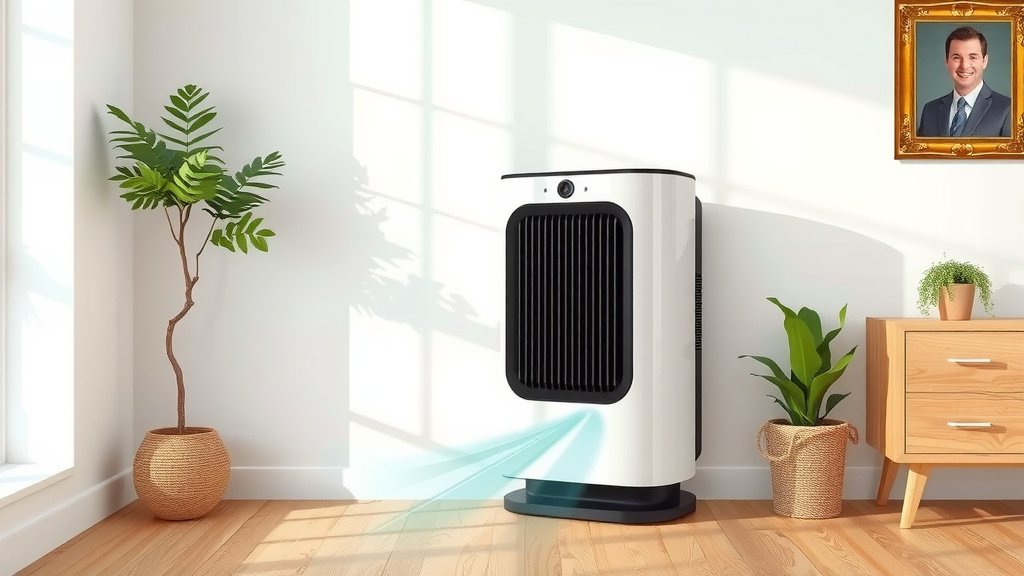
Air purifiers work by drawing in air, cleaning it, and then releasing fresh air. This process requires a clear path for air to flow in and out. We found that leaving space around your purifier is critical. Aim for at least a foot of clearance on all sides, especially the intake and exhaust vents. Don’t tuck it away behind furniture or curtains.
Imagine trying to drink through a straw that’s been bent; it’s difficult, right? Your air purifier feels the same way when its vents are blocked. This obstruction forces the motor to work harder, reducing efficiency and potentially shortening its lifespan. Experts often recommend placing it on the floor for optimal circulation, but check your model’s specific guidelines.
Consistent Operation: Running Your Purifier Smartly
How often should you run your air purifier? The short answer is: as much as possible. While turning it off when you leave a room might seem like a good idea to save energy, it’s counterproductive for air cleaning.
The 24/7 Rule
Many air quality experts suggest running your air purifier continuously, 24 hours a day. Why? Because indoor air pollutants are constantly being generated. Dust settles, allergens drift, and odors linger. An air purifier running around the clock can consistently capture these particles before they build up. This is especially important during peak allergy seasons or when outdoor air quality is poor.
Think of it like this: if you only turned on your refrigerator once a day, your food wouldn’t stay very fresh. An air purifier needs consistent operation to maintain a clean environment. Newer models are also quite energy-efficient, so the cost of running them all day might be less than you think.
Using Fan Speeds Effectively
Most air purifiers have multiple fan speed settings. The highest setting is usually the most effective for quickly cleaning the air, especially when you first turn it on or if air quality suddenly drops (like after cooking or if someone sneezes nearby). However, higher speeds can be louder.
For continuous, quieter operation, a medium or low setting is often sufficient. You can experiment to find a balance between air cleaning power and noise level that works for you. Some models even have an ‘auto’ mode that adjusts the fan speed based on detected air quality. We found this feature to be quite handy for maintaining a consistent environment without constant manual adjustments.
Filter Maintenance: The Heart of Your Purifier
Your air purifier is only as good as its filters. Neglecting them is like trying to breathe through a clogged nose – extremely difficult and ineffective. Regular maintenance is absolutely essential to keep your unit working optimally.
Understanding Filter Types and Lifespans
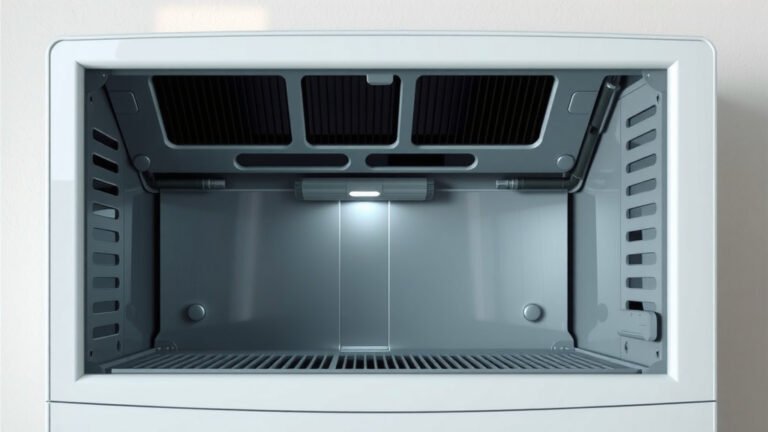
Air purifiers typically use a combination of filters. A pre-filter often captures larger particles like hair and lint, helping to extend the life of the main filters. The main event is usually a HEPA filter (High-Efficiency Particulate Air), which is designed to capture 99.97% of airborne particles down to 0.3 microns. Many also include an activated carbon filter to tackle odors, smoke, and VOCs (volatile organic compounds).
The lifespan of these filters varies greatly depending on the model, usage, and the air quality in your home. Manufacturers provide recommended replacement schedules, often ranging from 6 months to 2 years for HEPA and carbon filters. Pre-filters may need cleaning or replacing more frequently.
Cleaning vs. Replacing
Some filters, particularly pre-filters, are washable or vacuumable. Always check your owner’s manual to see if your filters can be cleaned. Washing washable filters regularly (often monthly) can significantly prolong their effectiveness. However, HEPA and carbon filters are typically designed for single use and must be replaced. Attempting to wash these types of filters will likely damage them and reduce their cleaning ability.
When it’s time to replace, it’s best to use filters recommended by the manufacturer. Using generic or incompatible filters could harm your air purifier. A dirty filter can’t trap new particles and can even become a source of pollutants itself. We found that setting calendar reminders for filter checks can be a lifesaver.
Choosing the Right Size and Features
Before you even plug it in, ensuring your air purifier is the right size for your space is key. This involves understanding its CADR (Clean Air Delivery Rate) and room coverage specifications.
CADR and Room Size Matters
CADR ratings tell you how quickly an air purifier can clean the air in a specific room size. Higher CADR means faster cleaning. Manufacturers usually provide a recommended room size for their units. Choosing a purifier that’s too small for your room means it will struggle to keep up, even if you run it constantly. Conversely, an oversized unit might be overkill and potentially louder.
For example, if you have a large living room, you’ll need a unit with a higher CADR and a larger room coverage rating than you would for a small bedroom. Many sources suggest choosing a unit rated for a slightly larger room than you have to ensure maximum effectiveness. This gives you a buffer for peak pollution times.
Helpful Features to Consider
Beyond the basics, some features can enhance your experience. Consider an air quality indicator light, which shows you the current state of your indoor air. Timers can be useful if you don’t need 24/7 operation, allowing you to schedule cleaning cycles. Smart features, like app control and voice assistant integration, offer convenience for adjusting settings remotely.
When researching, look at reviews and expert recommendations for specific models. Pay attention to noise levels, energy consumption, and the availability and cost of replacement filters. A little research upfront can lead to a much more satisfying ownership experience.
Quick Checklist for Optimal Use
Here’s a quick rundown to keep your air purifier working its best:
- Place it in the room where you spend the most time.
- Ensure at least a foot of clearance around the unit.
- Run it continuously for best results, especially during peak times.
- Check filters monthly for cleaning or replacement needs.
- Use the appropriate CADR and room size for your space.
- Consider helpful features that match your lifestyle.
Conclusion
You’ve learned how to make your air purifier work its best. Remember that strategic placement in your most-used rooms and consistent, 24/7 operation are key. Don’t forget the importance of regular filter maintenance—cleaning or replacing them as recommended keeps your unit efficient. By choosing the right size for your space and understanding features like CADR, you’re setting yourself up for cleaner indoor air.
Now that you have the knowledge, take the next step: assess your current air purifier setup and make any necessary adjustments. Your commitment to these simple steps will lead to a healthier, more comfortable living environment for you and your family.
Frequently Asked Questions
How often should I really run my air purifier?
For the best air quality, it’s recommended to run your air purifier continuously, 24/7. Indoor air pollutants are always present, and constant operation ensures they are captured before they accumulate. This is especially beneficial during allergy season or when outdoor air quality is poor.
Can I just clean the HEPA filter instead of replacing it?
Generally, HEPA filters are not designed to be washed. While some pre-filters can be cleaned, HEPA filters are made for single use and must be replaced according to the manufacturer’s schedule. Washing them can damage the filter and reduce its effectiveness.
What does CADR actually mean for my room size?
CADR stands for Clean Air Delivery Rate. It measures how quickly an air purifier can clean the air. You should match the CADR rating to your room size; a higher CADR means it can clean a larger room faster. Choosing a unit with a CADR appropriate for your space ensures it can effectively manage air quality.
Is it okay to put my air purifier right next to the wall?
No, it’s best to avoid placing your air purifier directly against walls or furniture. Air purifiers need space for unobstructed airflow to function efficiently. Aim for at least a foot of clearance around the unit to allow it to draw in and release air properly.
How do I know if my air purifier is working effectively?
You can tell your air purifier is working if you notice a reduction in odors, allergens, or dust. Some models have air quality indicator lights that show the current air purity level. Also, keeping up with filter maintenance ensures it’s performing at its peak capacity.
![5 Best Air Purifier for Germs and Viruses [In 2026]](https://homeunderstandable.com/wp-content/uploads/2025/06/best-air-purifier-for-germs-and-viruses.jpg)
![What Is The Best Air Purifier for Chemical Sensitivity [In 2026]](https://homeunderstandable.com/wp-content/uploads/2025/06/best-air-purifier-for-chemical-sensitivity.jpg)