How to Buy the Best Air Purifier for Your Home
Ready to breathe easier? Buying the best air purifier involves understanding your needs and looking for key features. Focus on HEPA filters for allergens and activated carbon for odors. Knowing your room size is also essential for effective cleaning.
An air purifier can dramatically improve your indoor air quality. It’s especially helpful if you deal with allergies, asthma, or pet dander. We found that choosing the right unit means looking at its CADR rating and filter types.
- Consider your room size.
- Look for true HEPA filters.
- Check for activated carbon for odors.
- Understand the CADR rating.
- Think about noise levels.
Let’s walk through exactly how to pick an air purifier that’s perfect for your home.
Choosing the Right Air Purifier for Your Home
Finding the best air purifier for your needs is simpler than you might think. It all comes down to understanding a few key factors. We’ve researched what matters most. This guide will help you make an informed decision to breathe cleaner air.
Understanding Your Air Quality Needs
Before you start shopping, take a moment to think about why you want an air purifier. Are you battling seasonal allergies? Do you have furry friends who shed? Or perhaps you’re concerned about cooking odors or VOCs (volatile organic compounds) from household products?
Dealing with Allergens and Asthma
If allergies or asthma are a big concern, you’ll want a purifier that excels at capturing microscopic particles. We found that allergens like pollen, dust mites, and pet dander can really affect your comfort. An effective air purifier can make a noticeable difference in your home environment.
Tackling Odors and Smoke
For smells from cooking, pets, or even lingering smoke, a different type of filtration is key. These odors are often caused by gases and chemicals. You need something that can absorb these airborne compounds, not just trap particles. Many experts say activated carbon is your best friend here (Cleveland Clinic).
Key Features to Look For
Now that you know your needs, let’s look at the features that make an air purifier effective. Not all purifiers are created equal, and focusing on these elements will steer you toward a smart purchase.
The Power of HEPA Filters
When we talk about cleaning the air, true HEPA filters are often considered the gold standard. HEPA stands for High-Efficiency Particulate Air. We found that a true HEPA filter is certified to capture at least 99.97% of airborne particles 0.3 microns in size. That’s incredibly tiny! This includes common allergens and pollutants.
Why “True” HEPA Matters
Be wary of terms like “HEPA-like” or “HEPA-type.” These filters may not perform as well. Always look for the “true HEPA” designation to ensure you’re getting the best filtration for fine particles.
Activated Carbon for Odors and Gases
While HEPA filters trap physical particles, activated carbon filters work differently. They use a porous material with a large surface area. This allows them to adsorb (trap on their surface) odors, smoke, and harmful gases like VOCs. Many experts recommend a substantial amount of activated carbon for effective odor removal (National Institutes of Health).
Pre-filters: The First Line of Defense
Many air purifiers also include a pre-filter. This is usually a washable mesh layer. Its job is to catch larger particles like hair and big dust bunnies. Doing this helps protect the main HEPA filter, extending its lifespan. Think of it as a helpful first step in the cleaning process.
Sizing Up Your Space: Room Size Matters
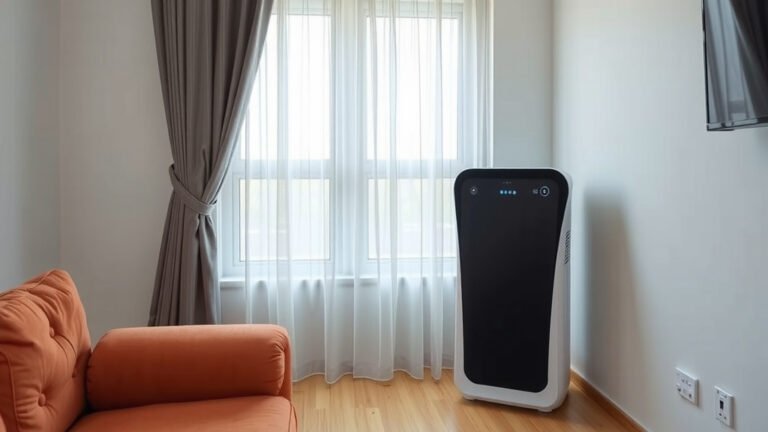
An air purifier’s effectiveness is directly tied to its ability to clean the air in your specific room. You need to match the unit’s power to the room’s square footage. Buying a unit that’s too small for your space means it won’t run efficiently.
Understanding CADR Ratings
CADR stands for Clean Air Delivery Rate. This is a standardized rating system. It measures how quickly an air purifier can clean the air from smoke, dust, and pollen. You’ll typically see three CADR numbers for each unit. Higher numbers mean faster air cleaning. We found that a CADR rating of at least two-thirds of the room’s square footage is a good starting point.
Matching CADR to Room Size
For example, if you have a 150-square-foot bedroom, you’d ideally want an air purifier with a smoke CADR of at least 100. This helps ensure it can adequately circulate and clean the air. Many manufacturers provide recommended room sizes based on these ratings.
Air Changes Per Hour (ACH)
Another important metric is ACH, or Air Changes per Hour. This tells you how many times the air purifier can circulate and filter all the air in a room within one hour. For general air cleaning, 2-3 ACH is usually sufficient. If you have severe allergies or asthma, aiming for 4-5 ACH can provide more frequent air purification.
Considering Other Important Factors
Beyond filtration and room size, a few other practical aspects can influence your choice. These might not seem as critical, but they can greatly impact your daily experience with the air purifier.
Noise Levels: Will It Disturb You?
Air purifiers have fans, and fans make noise. This noise level is usually measured in decibels (dB). On lower settings, many units are whisper-quiet, comparable to a soft hum. However, on higher settings, they can sound like a small fan or even a vacuum cleaner. If you plan to use it in a bedroom or office, look for units with quiet modes or check the decibel ratings on lower settings.
Filter Replacement Costs and Frequency
Remember that air purifiers require ongoing maintenance. You’ll need to replace the HEPA and activated carbon filters periodically. Filter life varies by model and usage, typically ranging from 6 to 12 months. Research the cost of replacement filters before you buy. This ongoing expense can add up over time, so factor it into your budget.
Energy Efficiency: Saving on Bills
Air purifiers are electronic devices, and they consume electricity. Look for units with the ENERGY STAR label. ENERGY STAR certified appliances are designed to be more energy-efficient than standard models, which can save you money on your electricity bills. They also help reduce your environmental impact.
Smart Features and Controls
Some modern air purifiers come with smart features. These can include app control, timers, air quality sensors that automatically adjust fan speed, and filter replacement indicators. While not essential, these features can add convenience and help optimize performance. Many experts find these features helpful for managing air quality effortlessly (Mayo Clinic).
Your Air Purifier Checklist
Here’s a quick rundown to help you narrow down your choices:
- Confirm True HEPA filter technology.
- Ensure sufficient activated carbon for odors.
- Match the CADR rating to your room size.
- Check the noise level in decibels (dB).
- Estimate ongoing filter replacement costs.
- Look for ENERGY STAR certification if possible.
Conclusion
You’re now equipped to choose an air purifier that truly fits your home and your needs. Remember to prioritize true HEPA filters for allergens and ample activated carbon for odors. Matching the CADR rating to your room size ensures effective performance. Don’t forget to consider noise levels and ongoing filter costs. Take the next step by assessing your primary air quality concerns and then comparing models based on these key features. Your journey to cleaner, fresher air starts with this informed decision.
Frequently Asked Questions
What’s the difference between a HEPA filter and a HEPA-type filter?
A true HEPA filter is certified to capture at least 99.97% of airborne particles 0.3 microns in size. “HEPA-like” or “HEPA-type” filters may not meet this strict standard. Always look for the “true HEPA” designation for the best particle filtration.
How often do I need to replace air purifier filters?
Filter replacement frequency typically ranges from 6 to 12 months, depending on the model and how often you use the purifier. Heavy use, especially in environments with high pollution or allergens, might require more frequent changes. Always check your manufacturer’s recommendations.
Can an air purifier help with pet odors?
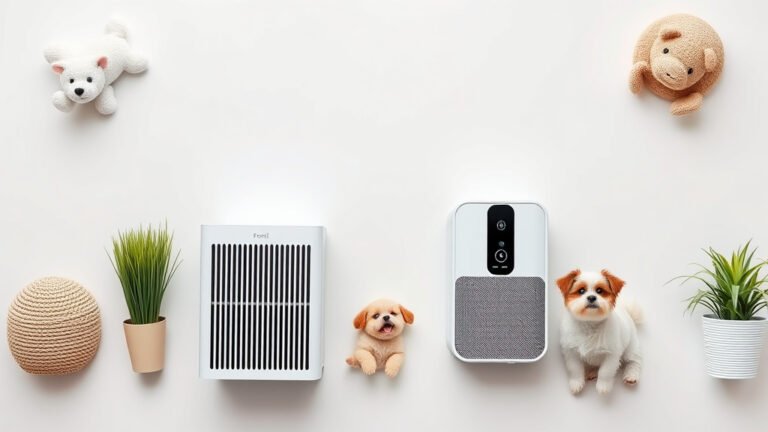
Yes, air purifiers with a substantial amount of activated carbon are very effective at tackling pet odors. While HEPA filters capture dander and hair, the activated carbon adsorbs the odor-causing gases. Look for models that specifically mention odor removal.
Is a higher CADR rating always better?
A higher CADR rating means the air purifier cleans the air faster. While it’s good to have a CADR that’s appropriate for your room size, an excessively high rating for a small room isn’t necessarily better. It might just mean the unit runs more powerfully than needed, potentially using more energy and being noisier.
Should I worry about the noise level of an air purifier?
Noise level is an important consideration, especially for bedrooms or quiet workspaces. Air purifiers are measured in decibels (dB). Lower dB ratings on the unit’s lowest setting indicate quieter operation. Many units offer a “sleep mode” for very quiet performance at night.