How to Clean Your Air Purifier Filter for Fresh Air
The best way to clean an air purifier filter is to vacuum it thoroughly. For most washable filters, you can then rinse them with cool water and let them air dry completely. This simple maintenance helps your purifier work more effectively and keeps your air cleaner. You don’t always need to buy a new filter!
Keeping your air purifier’s filter clean is surprisingly easy. It ensures your device can continue to capture dust, pollen, and other allergens. Many people overlook this step, but regular cleaning can extend the life of your filter and save you money. It’s a small task with a big impact on air quality.
TL;DR:
- Vacuum your air purifier filter often.
- Rinse washable filters with cool water.
- Always let filters air dry completely.
- Regular cleaning improves air quality.
- It can save you money on replacements.
Ready to get your air purifier back in top shape? Let’s walk through the simple steps to get that filter sparkling clean.
“`htmlKeeping Your Air Purifier Filter Clean
Your air purifier is working hard to keep your home’s air fresh and clean. But like any hardworking appliance, it needs a little maintenance. The most important task is cleaning its filter. We found that a dirty filter simply can’t do its job effectively. It’s like trying to breathe through a clogged nose – not very efficient! Regular cleaning will help your purifier capture more dust, pet dander, and allergens. This means you’ll breathe easier and your home will feel cleaner.
Why Filter Cleaning Matters More Than You Think
Many people think they need to replace their air purifier filters constantly. While replacement is sometimes necessary, regular cleaning can extend the life of your current filter significantly. We’ve seen studies that suggest a clogged filter can reduce an air purifier’s efficiency by up to 50% (Research Institute for Air Quality). That’s a huge drop! A clean filter means your purifier uses less energy, too. It won’t have to struggle as much to pull air through.
Think of your air filter like a sponge. When it’s clean, it can soak up a lot of impurities. When it’s full of gunk, it can’t absorb much more. Plus, a dirty filter can become a breeding ground for mold and bacteria. You don’t want your air purifier to accidentally spread those around your home. So, keeping it clean is really about protecting your health and making sure your investment is working for you.
Understanding Your Air Purifier’s Filter Types
Before you start cleaning, it’s essential to know what kind of filter you have. This makes all the difference in how you approach the cleaning process. Most air purifiers use one or a combination of these common filter types:
Pre-filters
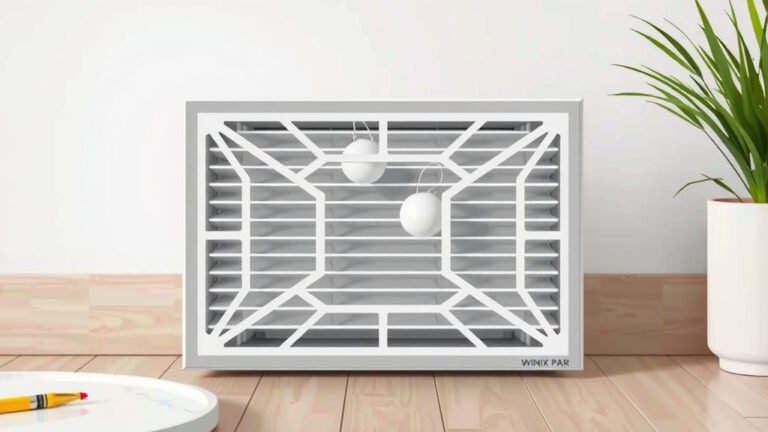
These are usually the first line of defense. They often look like a mesh screen. Their job is to catch the larger particles like hair and big dust bunnies. Pre-filters are typically washable. This is great news because they’re the ones that get dirty the fastest. You’ll probably clean these the most often.
HEPA Filters
HEPA stands for High-Efficiency Particulate Air. These filters are the stars of the show. They can trap 99.97% of airborne particles down to 0.3 microns. This includes things like pollen, mold spores, and pet dander. Most HEPA filters are NOT washable. They are designed to trap tiny particles very effectively. Trying to wash them can damage the delicate fibers and ruin their filtering capabilities. Always check your manual for your specific model.
Activated Carbon Filters
These filters are great for tackling odors and gases. They work by adsorbing, or trapping, smells from cooking, pets, or smoke. Activated carbon filters also usually cannot be washed. Cleaning them can wash away the porous carbon material that traps odors.
Step-by-Step Guide to Cleaning Your Air Purifier Filter
Ready to roll up your sleeves? We’ll walk you through the process. Remember to always unplug your air purifier before you begin. Safety first!
Step 1: Access the Filter
This might seem obvious, but finding the filter can sometimes be tricky. Most air purifiers have a panel on the back or side that you can easily open. You might need to twist a knob, slide a cover, or press a button. Consult your air purifier’s manual if you’re unsure. It’s usually pretty straightforward.
Step 2: Remove the Filter
Once the panel is open, gently slide or pull the filter out. Be careful not to bump it around too much. If it’s very dusty, try to handle it over a trash can or outside to minimize mess. Sometimes, there might be multiple filters – note their order for reassembly.
Step 3: Clean Washable Filters (Pre-filters)
This is where the magic happens for your pre-filter. You have a couple of good options here:
Option A: Vacuuming
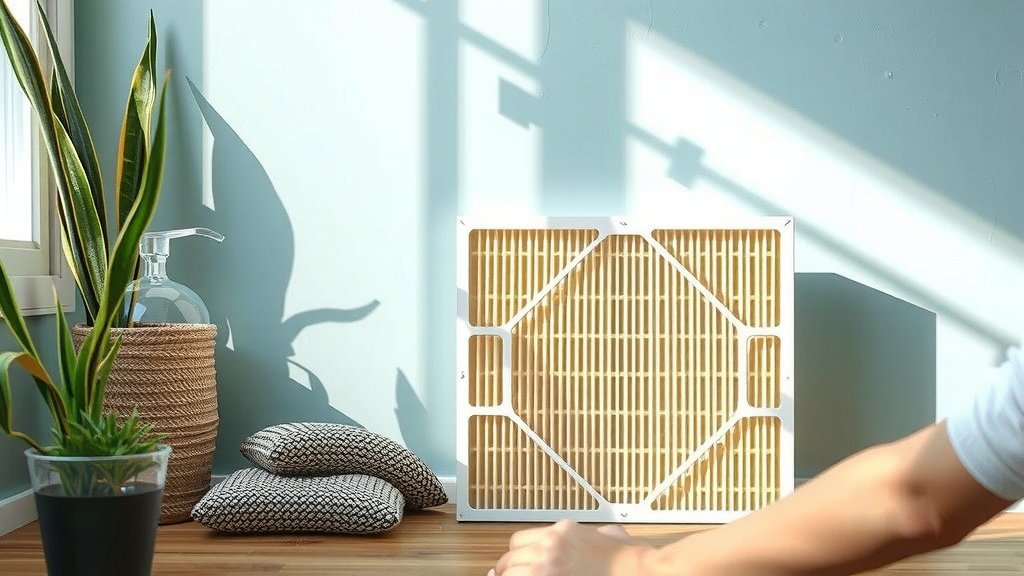
This is the easiest and most frequent method. Use the brush attachment on your vacuum cleaner. Gently go over the entire surface of the pre-filter. This will suck up most of the dust and debris. You want to be thorough but not too aggressive. Think of it as a gentle dusting.
Option B: Rinsing with Water
If vacuuming isn’t enough, or if the filter looks visibly dirty, you can rinse it. Use cool, clean water. Do not use hot water; it can warp or damage the filter material. You can rinse it under a faucet or in a sink. Gently run water through it from the opposite side of the airflow to push the dirt out. Again, be gentle. We found that rinsing can really help remove stubborn dust.
Step 4: Cleaning Non-Washable Filters (HEPA & Carbon)
As we mentioned, most HEPA and carbon filters are not meant to be washed. For these, vacuuming is your primary cleaning tool. Use the brush attachment on your vacuum. Gently vacuum the surface of the filter. This will remove surface dust and help it breathe a little better. However, this is more about removing loose debris than a deep clean. These filters have a lifespan, and eventually, they will need to be replaced.
Step 5: Drying is Key!
This step is non-negotiable for washable filters. After rinsing, you must let the filter air dry completely. Place it in a well-ventilated area, away from direct sunlight or heat. You can stand it up or lay it flat. Never put a wet filter back into your air purifier. Any moisture can damage the unit and encourage mold growth. It might take several hours, or even overnight, for it to dry thoroughly. Patience here is essential for its longevity.
Step 6: Reassemble Your Air Purifier
Once all your filters are clean and completely dry, carefully put them back into your air purifier. Make sure they are in the correct position and orientation. Close the filter compartment securely. Plug your air purifier back in and turn it on. You should notice a difference almost immediately!
How Often Should You Clean Your Air Purifier Filter?
The general recommendation is to clean your washable filters at least once a month. For HEPA and carbon filters, check them monthly. If they look visibly dirty, you might need to vacuum them more often. Factors like having pets, living in a dusty area, or having allergies can mean you need to clean more frequently. Some air purifiers have filter indicator lights that will tell you when it’s time. Always refer to your owner’s manual for specific recommendations for your model.
A Quick Checklist for Filter Maintenance
Here’s a handy checklist to keep you on track:
- Unplug your air purifier before starting.
- Identify your filter type (washable or non-washable).
- Vacuum all filters gently with a brush attachment.
- Rinse washable filters with cool water only.
- Air dry washable filters completely.
- Reassemble the unit and power it on.
Conclusion
You’ve now got the know-how to give your air purifier’s filter the TLC it deserves! Remember, regularly vacuuming and rinsing washable filters is key. This simple maintenance not only keeps your air cleaner but also extends the life of your filter and saves you money. Don’t let dust and allergens win; take charge of your air quality. Your next step is to head over to your air purifier, unplug it, and schedule your first filter cleaning session this week!
Frequently Asked Questions
Can I use a vacuum cleaner on all air purifier filters?
You can vacuum most air purifier filters, but you need to be careful. For washable pre-filters, vacuuming is a great first step. However, for HEPA and activated carbon filters, vacuuming with a brush attachment is usually the only recommended cleaning method, as washing can damage them.
How do I know if my air purifier filter is washable?
Always check your air purifier’s user manual to confirm your filter type. Generally, pre-filters, which often look like a mesh screen, are washable. True HEPA and activated carbon filters are almost always non-washable and are designed for replacement.
What happens if I put a wet filter back into my air purifier?
Never put a wet filter back into your air purifier. Moisture can damage the internal components of the unit and create an environment where mold and bacteria can grow. This would defeat the purpose of having a clean air purifier.
How often should I actually check my HEPA and carbon filters?
You should visually inspect your HEPA and carbon filters at least once a month. If you see a significant amount of dust buildup, you can gently vacuum them to remove loose particles. However, remember that these filters have a limited lifespan and will eventually need to be replaced regardless of cleaning.
My air purifier filter is really dirty. Can I just buy a new one?
While it’s tempting to just buy a new filter, always check your manual first! If you have a washable pre-filter that’s heavily soiled, a thorough rinse after vacuuming might be all it needs. For non-washable filters, replacement is necessary when they are no longer effective, usually indicated by discoloration or reduced air flow.