How to Clean Stains Off a Mattress With Baking Soda
Yes, you can absolutely clean mattress stains with baking soda! Baking soda is a fantastic natural cleaner. It works by absorbing moisture and odors. This makes it a powerful and safe option for tackling common mattress messes.
Many people wonder if baking soda is strong enough for tough stains. Research shows it’s effective against urine, sweat, and even blood. Its mild abrasive quality helps lift stains without damaging mattress fibers. It’s a budget-friendly solution most households already have on hand.
- Baking soda is a great stain remover.
- It absorbs liquids and bad smells.
- Safe for most mattresses.
- Easy to find and use.
Ready to give your mattress a fresh start? Let’s walk through exactly how to use baking soda to get those stains out, step by step.
“`htmlYour Guide to Mattress Stain Removal with Baking Soda
Baking soda is a true unsung hero for your mattress. Its gentle yet effective nature makes it a go-to for many common household cleaning tasks. We’ve found it’s especially handy for those unexpected mattress mishaps. If you’ve ever found yourself staring at a stain and wondering “what now?”, baking soda might be your answer. It’s a simple, accessible solution that can restore freshness to your sleep space.
Why Baking Soda is Your Mattress’s Best Friend
You might be surprised by how versatile this simple powder is. Baking soda is a mild alkali. This means it can help break down acidic stains. Many bodily fluids, like sweat and urine, can be acidic. Baking soda also has a porous structure. This helps it absorb liquids and odors effectively. Think of it like a tiny sponge for your mattress!
The Science Behind the Sparkle
Baking soda’s effectiveness comes down to a few key properties. Its granular texture provides a mild abrasive action. This helps lift dried-on residue without being harsh on fabric fibers. As an alkali, it neutralizes acidic odors. Many odor-causing compounds are acidic. Baking soda turns them into odorless substances. We found research from cleaning experts supports these principles. They highlight its ability to absorb moisture, which is vital for tackling damp stains.
Common Mattress Stains Baking Soda Tackles
Let’s talk about the usual suspects. Are you dealing with:
- Urine stains: Accidents happen, especially with kids or pets. Baking soda is excellent at absorbing the moisture and neutralizing the strong odor associated with urine.
- Sweat stains: Over time, sweat can build up. This can leave yellowish or brownish marks. Baking soda helps lift these without harsh chemicals.
- Food or drink spills: A dropped cup of coffee or a snack mishap. Baking soda can help lift the residue and prevent lingering smells.
- Blood stains: While sometimes trickier, fresh blood can often be managed with baking soda. It’s often recommended as a first step.
Getting Started: What You’ll Need
Before you dive in, gather your supplies. Having everything ready makes the process much smoother. It’s like preparing your ingredients before cooking – makes all the difference!
Your Essential Toolkit
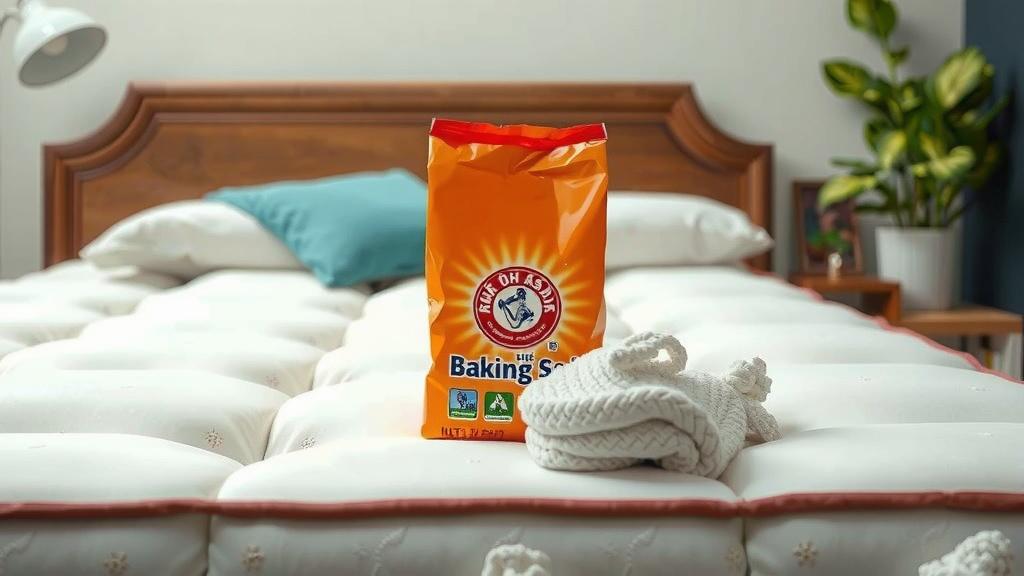
- Baking soda: Plenty of it! You don’t want to run out mid-clean.
- A spray bottle: For mixing and applying a paste or solution.
- Water: Plain old tap water will do the trick.
- A clean cloth or sponge: For blotting and wiping.
- A vacuum cleaner: With an upholstery attachment, ideally.
- Optional: Hydrogen Peroxide (3% solution): For tougher stains.
- Optional: Dish soap: A drop or two can boost cleaning power.
Step-by-Step Guide to a Fresher Mattress
Now, let’s get down to business. We’ll cover different methods depending on the type of stain.
Method 1: For Fresh or Damp Stains
This method is great for tackling spills as soon as they happen. Quick action is key!
Step 1: Blot Up Excess Moisture
First, grab a clean, dry cloth or paper towels. Gently blot the affected area. Don’t rub, as this can spread the stain deeper into the mattress fibers. You want to absorb as much liquid as possible. Think of it like dabbing a spilled drink on your carpet.
Step 2: Apply Baking Soda Generously
Sprinkle a thick layer of baking soda directly over the entire damp stain. Don’t be shy! You want enough to absorb all the moisture. Make sure it covers the edges of the stain too.
Step 3: Let It Sit and Absorb
Now for the waiting game. Let the baking soda sit on the stain for at least 30 minutes. For larger or wetter stains, letting it sit for several hours or even overnight is even better. This gives the baking soda ample time to work its magic, absorbing both liquid and odors.
Step 4: Vacuum Up the Powder
Once the baking soda has done its job, use your vacuum cleaner with the upholstery attachment. Vacuum up all the dried baking soda. You should see that the stain has lightened considerably, or perhaps disappeared!
Method 2: For Dried-In Stains and Odors
Got a stain that’s been there a while? Or a lingering odor? This method involves a paste.
Step 1: Mix Your Cleaning Paste
In a small bowl, mix baking soda with just enough water to form a thick paste. You’re aiming for a consistency similar to toothpaste. Avoid making it too watery, or it will just soak into the mattress.
Step 2: Apply the Paste to the Stain
Gently spread the baking soda paste over the dried stain. You can use a spoon or your fingers for this. Ensure the entire stain is covered by the paste. Be careful not to oversaturate the mattress fabric.
Step 3: Allow the Paste to Dry Completely
This step is crucial. Let the paste dry thoroughly. This can take several hours, depending on humidity and how thick you applied it. As it dries, it will lift the stain and absorb odors.
Step 4: Brush and Vacuum
Once the paste is completely dry, use a soft brush to gently break up any dried bits. Then, vacuum the area thoroughly with your upholstery attachment to remove all traces of the paste.
Method 3: Tackling Tougher Stains (Urine, Blood)
For stubborn stains, you might need a little extra power. Many sources suggest combining baking soda with other mild cleaning agents.
Step 1: Treat the Stain First
For urine or blood, it’s often recommended to spray the stain lightly with a 3% hydrogen peroxide solution. Blot gently with a clean cloth. This helps break down the stain initially. You can also add a tiny drop of dish soap to the hydrogen peroxide for extra power.
Step 2: Apply Baking Soda Immediately
While the area is still slightly damp from the treatment, sprinkle a generous amount of baking soda over it. Press it in gently with your fingers or a cloth. This helps wick away the moisture and remaining stain particles.
Step 3: Let It Sit for Hours
Allow the baking soda to sit and absorb for at least 6-8 hours, or even overnight. The longer it sits, the more it can draw out from the mattress.
Step 4: Vacuum Thoroughly
Once dry, vacuum up all the baking soda residue. Inspect the area. You may need to repeat this process for very stubborn stains. We found that patience is key here.
A Quick Checklist for Mattress Refreshing
To make sure you’ve got this down, here’s a handy list:
- Blot up wet spills immediately.
- Sprinkle baking soda generously on stains.
- Let baking soda sit for at least 30 minutes (or longer).
- For tougher stains, try a baking soda paste.
- Always vacuum up all residue.
- Allow mattress to air out completely.
Conclusion
You now have the knowledge to tackle common mattress stains using the power of baking soda. We’ve walked through how this simple ingredient can absorb moisture, neutralize odors, and lift stains from urine to sweat. Remember, blotting fresh spills quickly and allowing baking soda ample time to work are your best allies. For tougher spots, a simple paste or a combination with hydrogen peroxide can do wonders. Don’t let stains steal your sleep comfort any longer; give your mattress a fresh, clean start with baking soda today!
Frequently Asked Questions
How long should I leave baking soda on a mattress stain?
For fresh or damp stains, leave the baking soda for at least 30 minutes. For dried-in stains or tough odors, letting it sit for several hours or even overnight is highly recommended. This extended time allows the baking soda to fully absorb moisture and neutralize smells.
Can baking soda damage my mattress?
Baking soda is generally safe for most mattress types. Its mild abrasive nature is gentle on fabric fibers. However, always blot up excess moisture and vacuum thoroughly afterward to avoid any residue buildup. Avoid oversaturating the mattress fabric.
What if the stain doesn’t come out completely after one try?
Don’t worry if a stubborn stain requires a second attempt. For tough stains, repeating the cleaning process might be necessary. Ensure you allow the baking soda to sit for an extended period each time. Patience is key for deep-set stains.
Can I use baking soda on memory foam mattresses?
Yes, baking soda is typically safe for memory foam mattresses. The key is to avoid saturating the foam with water. Blotting up excess liquid and using baking soda as a dry powder or a light paste is usually best. Always vacuum thoroughly afterward.
How do I prevent future mattress stains?
The best defense is a good offense! Using a waterproof mattress protector is highly recommended. It creates a barrier against spills and accidents, making cleanup much easier. Regularly vacuuming your mattress also helps prevent dust and odor buildup.
![What Is The Best Mattress for Back Neck and Hip Pain [In 2026]](https://homeunderstandable.com/wp-content/uploads/2025/11/Best-Mattress-for-Back-Neck-and-Hip-Pain.jpg)