Fix Your Dyson Air Purifier: Common Issues & Solutions
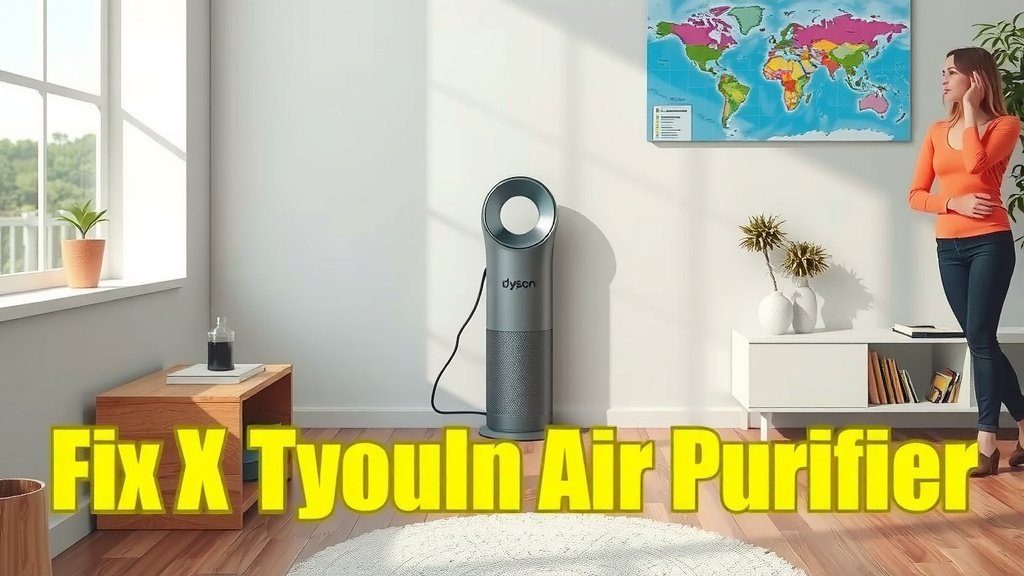
If your Dyson air purifier isn’t working right, you can often fix common issues yourself. Many problems are due to a clogged filter or a sensor needing a reset. Checking and cleaning these parts are the most common solutions for a Dyson air purifier that’s acting up.
Dyson purifiers are built to last, but like any appliance, they can develop quirks. Sometimes a simple restart or filter change is all it takes to get it back to purifying your air effectively. We’ve found that understanding basic maintenance can save you a lot of hassle.
- Check and clean or replace the HEPA filter.
- Reset the device after maintenance.
- Ensure the unit is on a stable surface.
- Look for error codes on the display.
- Confirm proper assembly of all parts.
Let’s walk through some easy steps you can take to get your Dyson air purifier back in top shape without needing a technician.
Troubleshooting Your Dyson Air Purifier
When your Dyson air purifier stops working as expected, don’t panic! Many common issues can be fixed right at home. We found that a little understanding goes a long way.
Understanding Common Dyson Purifier Problems
Filter Issues: The Most Frequent Culprit
The number one reason your Dyson might be acting up is a clogged or expired filter. Think of your filter like the lungs of the machine. When they’re full of dust and debris, the purifier can’t breathe in air effectively. This leads to reduced airflow and poor air quality.
We found that Dyson recommends replacing filters regularly. The exact schedule depends on your usage and air quality. Always check your user manual for the specific filter life for your model. A dirty filter is like trying to run a marathon with a cold – tough!
Sensor and Reset Procedures
Sometimes, your purifier might seem like it’s not working correctly simply because its sensors need a refresh. Dust can occasionally accumulate on the sensors, causing inaccurate readings. A simple reset often does the trick.
We found that many Dyson models have a built-in self-diagnostic feature. If it detects an issue, it might display an error code. Knowing what these codes mean is your first step to a quick fix.
Step-by-Step Fixes for Common Dyson Purifier Glitches
Step 1: Check and Clean or Replace the Filter
This is where you’ll spend most of your troubleshooting time. First, you need to identify your filter type. Most Dyson purifiers use a combination filter, often a HEPA and activated carbon layer.
Locating and Removing the Filter
Your Dyson’s manual will show you precisely where the filter is. Usually, it’s at the base or a side panel. You’ll likely need to twist or unclip a cover. Once open, you can see the filter unit.
We found that some users recommend gently cleaning the *exterior* of the filter with a soft brush or vacuum cleaner attachment. However, never wash the filter itself. Water can damage the delicate HEPA fibers. Always refer to your specific model’s instructions.
When to Replace Your Filter
Your Dyson unit will often tell you when the filter needs changing. Look for a filter life indicator on the display or app. Many experts suggest replacing it every 6-12 months, depending on usage and your home’s environment (CDC).
When it’s time for a new one, ensure you buy an authentic Dyson replacement filter. Using third-party filters can sometimes cause performance issues or even damage the unit. We found that genuine parts ensure the best fit and function.
Step 2: Performing a Full Device Reset
After changing a filter or if your purifier is behaving strangely, a reset can clear temporary glitches. This is like restarting your computer when it freezes up.
The Standard Reset Method
For most models, the process is straightforward. First, unplug the unit from the power outlet. Wait for at least 30 seconds to ensure all residual power is drained. Then, plug it back in and turn it on.
Some Dyson models might have a specific button sequence for a reset. Again, your user manual is your best friend here. For instance, on some units, you might need to press and hold a power button for a certain duration after unplugging.
Step 3: Inspecting Sensors and Airflow
Your Dyson purifier has sensors to detect air quality. These are usually small vents or openings on the device.
Cleaning the Air Intake Vents
We found that dust can build up around these vents. This can fool the sensors into thinking the air quality is worse than it is, or vice versa. Use a soft, dry cloth or a vacuum cleaner with a brush attachment to gently clean around all visible vents.
Make sure the air intake and exhaust vents are not blocked. Your Dyson needs clear pathways to draw in air and expel clean air. Obstructions lead to poor performance and can strain the motor.
Step 4: Checking for Error Codes
Your Dyson purifier has a display screen that will show error codes if it encounters a problem it can’t resolve itself. These codes are specific and usually point to a particular issue.
If you see a code, the first thing you should do is consult your user manual. It will have a section dedicated to error codes and their meanings. For example, a code might indicate a sensor fault, a motor issue, or a problem with the filter detection.
Step 5: Ensuring Proper Assembly
Sometimes, problems arise because a part wasn’t reassembled correctly after cleaning or maintenance.
Reassembling After Maintenance
Did you recently take the unit apart for cleaning? Double-check that the filter is seated correctly. Ensure all covers and panels are securely snapped or screwed back into place. A loose part can cause rattling noises or prevent the unit from functioning.
We found that some Dyson models have a safety mechanism. If a part isn’t properly aligned, the unit might refuse to turn on. This is a good thing – it protects you and the device.
Step 6: Stable Placement and Environmental Factors
Where you place your air purifier matters. It needs space to work efficiently.
Optimal Placement Tips
Place your Dyson on a flat, stable surface. Avoid placing it on carpets if possible, as this can block the bottom vents. Keep it at least a foot or two away from walls and furniture to allow for proper airflow. Don’t put it in damp or extremely hot environments, as this can affect electronics (Mayo Clinic).
Quick Checklist for a Happy Dyson Purifier
- Filter Status: Is it clean or time for a replacement?
- Power Cycle: Have you tried unplugging and replugging?
- Sensor Vents: Are they clear of dust and debris?
- Assembly: Are all parts securely attached?
- Placement: Is it on a flat surface, away from obstructions?
- Error Codes: Are there any on the display? Check your manual.
Conclusion
We’ve seen that most Dyson air purifier issues are surprisingly simple to fix. Clogged filters and sensor problems are common culprits. By following these steps, you can often get your purifier back to peak performance quickly. Remember to always check your user manual for model-specific advice. If you’ve cleaned the filter, reset the unit, and checked for error codes, your Dyson should be purifying your air effectively again. For persistent problems, don’t hesitate to contact Dyson support for further assistance.
Frequently Asked Questions
How often should I clean the sensors on my Dyson air purifier?
You don’t need to clean the sensors very often. We found that a gentle wipe with a dry cloth every few months, or when you notice performance changes, is usually sufficient. Just be sure to do it when the unit is unplugged for safety.
Can I use a regular vacuum cleaner to clean my Dyson air purifier filter?
You can use a soft brush attachment or a vacuum’s dusting brush to gently clean the *exterior* of the filter. Never wash the filter itself with water, as this can damage the HEPA fibers. Always refer to your model’s manual for specific cleaning instructions.
My Dyson air purifier is making a strange noise. What could it be?
Strange noises often point to assembly issues or something obstructing the fan. We recommend unplugging the unit, ensuring all parts are securely attached, and checking that nothing is blocking the air intake or exhaust vents. A loose filter can also cause rattling.
What if my Dyson air purifier shows an error code I don’t understand?
Error codes are designed to guide you. Your Dyson user manual will have a dedicated section explaining what each code means and the recommended solution. If the manual doesn’t help, reaching out to Dyson customer service is your best next step.
Is it okay to buy non-Dyson replacement filters for my purifier?
We found that using authentic Dyson replacement filters is best for performance and longevity. While third-party filters might seem cheaper, they can sometimes cause issues or not fit properly, impacting your purifier’s effectiveness.

![5 Best Levoit Air Purifier for Large Room [In 2026]](https://homeunderstandable.com/wp-content/uploads/2025/05/best-levoit-air-purifier-for-large-room-top-picks-for-fresh-air-768x432.jpg)