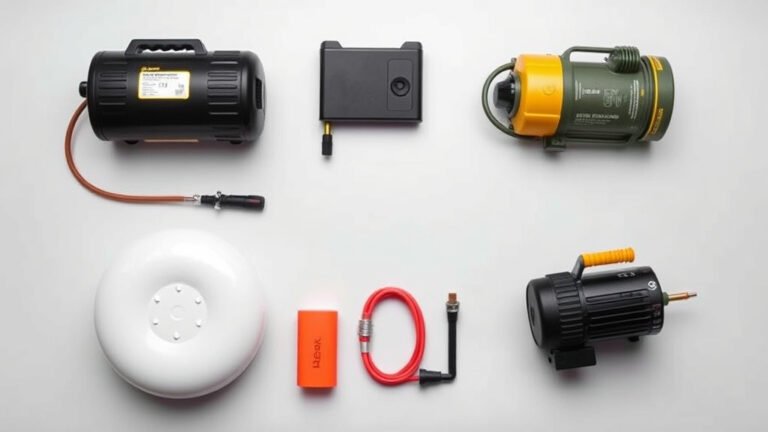
Troubleshoot Your Central Pneumatic Air Compressor
Yes, you can absolutely fix many common problems with your Central Pneumatic air compressor yourself. Often, issues like low pressure or a compressor that won’t start are due to simple causes like clogged filters, loose connections, or low oil levels. Addressing these basic checks can save you time and money by avoiding a service call.
When your Central Pneumatic air compressor isn’t performing as expected, it’s natural to feel a bit stuck. We’ve found that most users can resolve issues by understanding a few key components. Checking the air intake filter and ensuring the power switch is fully engaged are common first steps.
- Check your air intake filter first.
- Ensure all power connections are secure.
- Verify the oil level is sufficient.
- Listen for unusual noises.
- Consult your manual for specific error codes.
Let’s walk through the most frequent issues and how you can get your Central Pneumatic air compressor back up and running smoothly.
Troubleshooting Your Central Pneumatic Air Compressor
When your Central Pneumatic air compressor isn’t working right, it can feel like a real setback. Don’t worry, many common issues are fixable at home. We’ve found that most problems stem from a few key areas. This guide will help you identify and solve them.
Understanding Common Air Compressor Issues
Your air compressor has several parts that work together. When one part acts up, the whole system can falter. Think of it like a chain; if one link is weak, the chain can break.
The Compressor Won’t Start
This is a frustrating problem. First, check the most obvious things. Is the compressor plugged in securely? Is the power switch in the “on” position? Sometimes, the simplest things are overlooked.
Research indicates that a tripped circuit breaker is a frequent culprit. If the breaker has tripped, reset it. If it trips again immediately, you might have a short circuit or an overloaded breaker. In this case, it’s best to consult a qualified electrician. Overloading the circuit can be a safety hazard (Occupational Safety and Health Administration).
Low Air Pressure or Leaks
If your compressor runs but doesn’t produce enough air, or if you hear hissing, you likely have a leak. Air leaks are incredibly common and can significantly reduce your compressor’s efficiency. They waste energy and make your tool work less effectively.
Checking for Leaks
A simple way to find leaks is using soapy water. Mix some dish soap with water in a spray bottle. With the compressor running and pressurized, spray the soapy solution over all the connections, hoses, and fittings. If you see bubbles forming, that’s where your leak is. Make a note of the spot.
Fixing Leaks
Once you find a leak, turn off the compressor and relieve the pressure. For loose fittings, try tightening them slightly. If the fitting is damaged or the leak persists, you may need to replace the fitting or hose. Many experts suggest regularly inspecting these parts.
The Compressor Overheats
Compressors generate heat when they work. However, excessive heat can damage internal components. Overheating can be caused by several factors, including poor ventilation or low oil levels.
Ensuring Proper Ventilation
Make sure your compressor has plenty of space to breathe. It needs airflow to stay cool. Keep the area around the compressor clear of clutter and obstructions. Manufacturers often recommend a minimum clearance on all sides (your manual will have specifics).
Checking the Oil Level
Low oil levels are a common cause of overheating. Oil lubricates the moving parts and helps dissipate heat. Check your compressor’s oil dipstick or sight glass. If the level is low, add the type of oil recommended in your owner’s manual. Many guidelines point to using the correct oil type for optimal performance (Mayo Clinic).
Essential Maintenance Checks for Your Compressor
Regular maintenance is key to preventing problems. It’s like taking care of your car; a little attention goes a long way.
Air Intake Filter Maintenance
The air intake filter keeps dust and debris out of your compressor. A clogged filter restricts airflow, making the compressor work harder. This can lead to reduced performance and overheating.
Inspect your filter regularly. If it looks dirty or clogged, clean or replace it according to the manufacturer’s instructions. We found that a clean filter can improve efficiency significantly.
Drain the Tank Regularly
Water can build up in the air tank. This condensation can lead to rust and corrosion over time. It can also contaminate your compressed air supply, which is bad for your tools.
To drain the tank, locate the drain valve at the bottom. Open it slowly to release the pressure and any water. Do this after each use, or at least daily if you use it frequently. This simple step helps prevent tank damage.
Checking Connections and Belts
Loose connections anywhere in the system can cause leaks or electrical issues. Double-check all hoses, fittings, and electrical connections. Ensure they are snug but not overtightened.
If your compressor has a belt-driven motor, inspect the belt for wear or damage. A worn belt can slip, reducing power transfer. If it’s frayed or cracked, it’s time to replace it. A loose belt can also be tightened, but refer to your manual for the correct tension.
When to Seek Professional Help
While many issues are DIY-friendly, some problems require expert attention. If you’ve tried basic troubleshooting and the problem persists, it might be time to call a professional.
Persistent Issues
If your compressor continues to malfunction after your checks, it could indicate a more serious internal problem. This might include issues with the motor, pump, or valves. Attempting complex internal repairs without proper knowledge can lead to further damage or injury.
Safety Concerns
Any time you suspect an electrical issue, a major leak, or if you hear unusual, loud noises, prioritize safety. A damaged compressor can be a fire or explosion risk. Always follow safety guidelines from the manufacturer and government bodies like OSHA when working with compressed air equipment.
Consult Your Manual
Your Central Pneumatic air compressor manual is your best friend. It contains specific details about your model, including troubleshooting steps and maintenance schedules. Keep it handy!
Quick Checklist for Your Compressor
Here’s a quick rundown of what to check if your compressor isn’t performing well:
- Is it plugged in and the breaker on?
- Check the air intake filter for blockages.
- Verify the oil level is adequate.
- Listen for any hissing air leaks.
- Has the tank been drained of water?
- Are all hose and fitting connections secure?
Conclusion
You’ve learned how to tackle common Central Pneumatic air compressor issues yourself. Simple checks like securing power, cleaning filters, and monitoring oil levels can prevent many problems. Addressing leaks with soapy water and ensuring proper ventilation keeps your unit running efficiently and safely. Remember, regular maintenance, like draining the tank, is your best defense against future troubles. Don’t hesitate to consult your manual for model-specific advice. If you’ve exhausted these steps, it’s wise to call in a professional. Keep your compressor in top shape by applying these straightforward solutions!
Frequently Asked Questions
My Central Pneumatic air compressor suddenly stopped working. What’s the first thing I should check?
Start with the basics: ensure the compressor is securely plugged into a working outlet and that the main power switch is in the “on” position. Also, check your home’s circuit breaker to see if it has tripped. A tripped breaker is a very common reason for a compressor not starting.
What does it mean if my Central Pneumatic air compressor makes a loud, unusual noise?
Unusual noises can indicate a variety of problems. A grinding sound might suggest issues with the motor or pump bearings. A loud banging could point to internal damage or loose parts. It’s a good idea to turn off the unit immediately and consult your manual or a professional if you hear something significantly abnormal.
How often should I drain the air tank on my Central Pneumatic compressor?
You should drain your air tank regularly to remove condensation. It’s best practice to drain it after each use, especially if you’ve used it for an extended period. If you use it daily, draining it at least once a day will help prevent rust and corrosion inside the tank.
Can a dirty air intake filter really cause my Central Pneumatic compressor to overheat?
Yes, a clogged air intake filter restricts airflow. This forces the compressor’s motor to work much harder to draw in air. This extra strain generates more heat, which can lead to overheating and potentially damage internal components over time.
My tools aren’t getting enough air pressure. Is this usually a leak or something else?
Low air pressure is very often caused by air leaks in the system. Check all connections, hoses, and fittings with soapy water to find any bubbles. If you don’t find any obvious leaks, the issue could also be a faulty pressure switch or a problem with the pump itself, which might require professional attention.