Boost CFM: Get More From Your Air Compressor
You can get more CFM from your air compressor by cleaning and repairing it, and upgrading components. Making sure your air compressor is in top shape is key. Sometimes, a few simple fixes can make a big difference in its performance.
Many people struggle with their air compressor not delivering enough power. This can be frustrating when you need reliable air for your tools. We found that even small issues can cause a noticeable drop in air pressure and flow. Addressing these can save you money and headaches.
- Check for air leaks in hoses and fittings.
- Clean or replace the air filter regularly.
- Ensure the compressor oil is at the correct level.
- Inspect the check valve for proper function.
- Consider upgrading to a larger tank or a more powerful motor if needed.
Ready to boost your air compressor’s power? Let’s walk through some practical steps you can take right now.
Boosting Your Air Compressor’s CFM Output
You’re looking to squeeze more power out of your air compressor, and that’s a smart move. Getting more cubic feet per minute (CFM) means your tools will perform better. You’ll have more consistent airflow for tasks like painting, sanding, or running impact wrenches. We’ve gathered some effective strategies to help you achieve this. Most of these are straightforward fixes you can do yourself.
Maintaining Your Compressor for Peak Performance
Think of your air compressor like a car engine. If you don’t take care of it, it won’t run its best. Regular maintenance is the absolute first step to getting the most CFM. It’s often the simplest things that make the biggest difference.
The Importance of a Clean Air Filter
Your air compressor breathes in air, just like you do. That air has to go through a filter to keep dust and debris out. If this filter is clogged, it’s like trying to breathe through a stuffy nose. The compressor has to work much harder, and it can’t pull in as much air.
- Check your filter often. Look for dirt, oil, or paint buildup.
- Clean or replace it regularly. The manual will tell you how often. Some can be cleaned, others need replacement.
- Don’t skip this step. A dirty filter is a major CFM killer. We found that replacing a very dirty filter can instantly improve performance.
Checking and Topping Up Compressor Oil
Most air compressors need oil to keep moving parts lubricated and cool. If the oil level is too low, the compressor can overheat and wear out faster. It also won’t be able to compress air efficiently.
Always check your owner’s manual for the correct type of oil. Using the wrong kind can cause damage. Make sure the compressor is off and cooled down before checking the oil. Keep it within the recommended range. Low oil is a common cause of reduced performance.
Inspecting the Check Valve
The check valve is a one-way door for air. It lets compressed air into the tank but stops it from escaping back out through the pump. If this valve isn’t sealing properly, air will leak back, and you’ll lose pressure and CFM.
You might hear a hissing sound when the compressor is off and holding pressure. That’s a clue the check valve might be faulty. Some check valves are easy to access and replace. This is a repair that can really boost your compressor’s efficiency.
Addressing Air Leaks: The Silent CFM Drain
Air leaks are like tiny holes in a balloon. Even small ones can let out a lot of air over time. This means your compressor has to run more often to maintain pressure. It’s wasting energy and reducing the effective CFM you get.
Finding Leaks in Hoses and Fittings
Start by listening carefully. Can you hear any hissing sounds when the compressor is running or holding pressure?
- Check all connections. Look at where hoses connect to the compressor, tools, and any quick-connect fittings.
- Inspect hoses for cracks or damage. A worn-out hose can spring a leak anywhere.
- Use soapy water. Spray a solution of water and dish soap on suspect areas. Bubbles will form where air is leaking out.
Fixing leaks might involve tightening fittings, applying pipe thread tape (PTFE tape), or replacing worn-out hoses and couplings. This is a critical step for getting every bit of CFM you can.
The Tank’s Role in Air Delivery
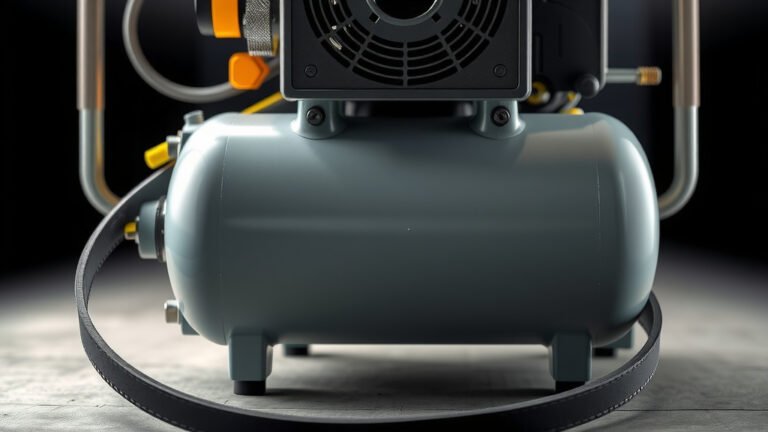
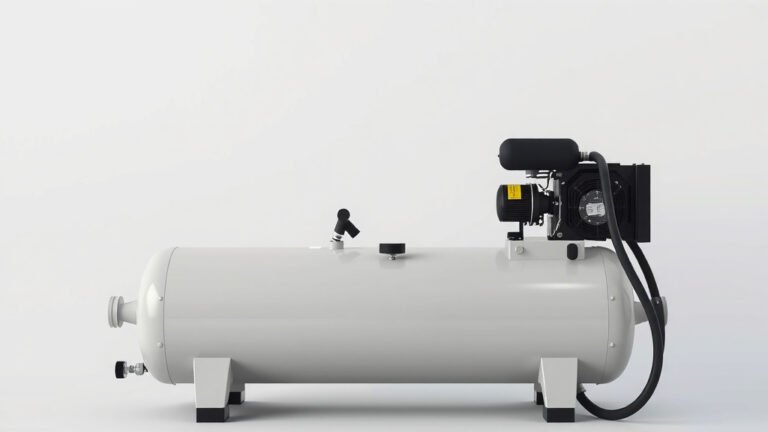
The air tank acts as a reservoir. It stores compressed air, allowing your compressor’s pump to catch up when demand is high. A tank that’s too small for your needs will cause the compressor to cycle on and off frequently. This limits the continuous CFM output you experience.
If you’re consistently running out of air or the compressor is always running, you might need a larger tank. While upgrading the tank is a bigger project, it directly impacts how much air you have available at any given moment. Many experts say the tank size is as important as the pump’s CFM rating for tool performance (Industrial Equipment News).
Upgrading Components for Enhanced Output
Sometimes, the best way to get more CFM is to upgrade some of your compressor’s parts. These aren’t always cheap fixes, but they can provide a significant boost.
Considering a More Powerful Motor
The motor drives the pump. A stronger motor can turn the pump faster or with more torque, leading to higher CFM. This is a major modification and not always feasible for DIYers. It often involves ensuring your electrical setup can handle the increased load.
Replacing the Pump for Higher CFM
The pump is the heart of your air compressor. If your current pump is old or simply not powerful enough, replacing it with a higher-CFM pump is a direct solution. This can be a significant investment but is often more cost-effective than buying a whole new, larger compressor.
Research pump specifications carefully. Ensure the new pump is compatible with your existing tank and motor, or be prepared to upgrade those as well. We found many online resources that compare pump types and their CFM ratings.
Troubleshooting Common Issues
Even with good maintenance, compressors can develop issues that sap their power. Knowing what to look for can save you time and frustration.
Understanding Pressure Switch Settings
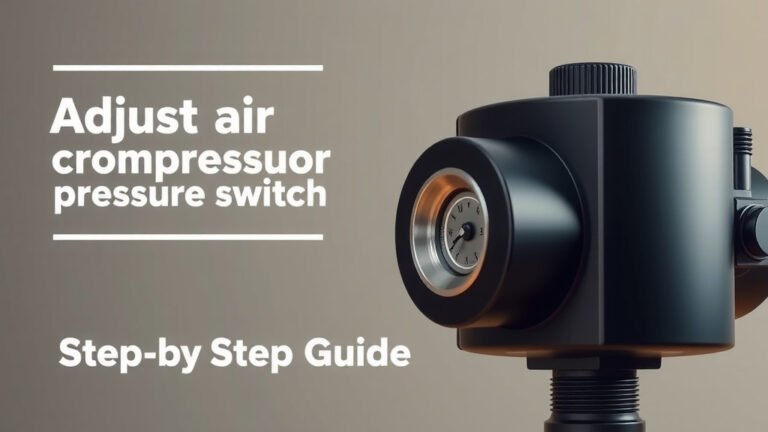
The pressure switch tells the motor when to turn on and off. If it’s set too low, the compressor might not build up enough pressure. If it’s set too high, your tools might not get the pressure they need. Consult your manual to understand how to adjust these settings safely. Incorrect settings can limit your available CFM. Consult your manual to adjust these settings safely; learn how to adjust air compressor cut-in and cut-out pressure.
The Role of Temperature
Compressors work better in cooler environments. Heat can reduce efficiency. If your compressor is in a hot garage or direct sunlight, consider moving it to a cooler, well-ventilated area. This might seem minor, but it can contribute to better overall performance.
Drain Condensation Regularly
Air compressors naturally collect condensation. This water can reduce the tank’s air capacity and can eventually lead to rust. Draining the tank regularly is essential for maintaining its integrity and airflow.
Look for a drain valve at the bottom of the tank. Open it periodically to let out the collected moisture. This is a quick and easy maintenance task that prevents bigger problems down the line.
Quick Checklist for Boosting CFM
Here’s a quick rundown to help you get started:
- Inspect and clean/replace the air filter.
- Check and maintain compressor oil levels.
- Listen for and repair any air leaks.
- Test the check valve for proper sealing.
- Drain condensation from the tank regularly.
- Ensure the compressor is in a cool, ventilated area.
Conclusion
You’ve learned that boosting your air compressor’s CFM is totally achievable with a bit of care and know-how. We’ve covered how regular maintenance, like keeping your air filter clean and checking oil levels, can make a real difference. Addressing simple issues such as air leaks and draining condensation also prevents hidden CFM drains. For those looking for an extra edge, upgrading components like the pump can offer a substantial power increase. Start with the easiest fixes today, like inspecting for leaks or cleaning that filter. Your tools will thank you for the extra power!
Frequently Asked Questions
How often should I clean or replace my air compressor’s filter?
You should check your air filter regularly, especially if you use your compressor often or in dusty conditions. Most manuals recommend cleaning or replacing it every few months, but a visual inspection is the best guide. If it looks dirty or clogged, it’s time for a change or a clean.
Can a small air leak really reduce my compressor’s CFM that much?
Yes, even a tiny air leak can have a big impact over time. Your compressor has to work harder and run longer to make up for the lost air. We found that multiple small leaks can collectively waste a lot of energy and air volume, significantly reducing the effective CFM you get.
What’s the easiest way to check for air leaks?
The simplest method is to listen for hissing sounds when the compressor is running or holding pressure. For more precise detection, spray a soapy water solution on hoses, fittings, and connections. Any bubbles that form indicate an air leak that needs to be sealed.
Will a larger air tank automatically give me more CFM?
A larger air tank doesn’t increase the raw CFM output of your compressor’s pump, but it greatly improves your *usable* CFM. It acts as a buffer, storing more compressed air. This means your tools get a more consistent supply of air, and the compressor cycles less frequently under heavy load.
Is it better to upgrade my pump or buy a new compressor?
That depends on your current compressor and budget. If your existing tank and motor are sound, upgrading the pump to a higher CFM model can be more cost-effective than buying an entirely new, larger unit. However, if your compressor is old or undersized in multiple ways, a new compressor might be a simpler solution.