How to Load Your Front Load Washing Machine Correctly
Putting clothes in your front load washing machine is simpler than you think! The key is to load items loosely and avoid overfilling the drum, ensuring water and detergent can circulate freely for a proper clean. Remember to always check pockets first for rogue items!
Front loaders are designed for efficiency, using less water than traditional top-loaders. Proper loading helps your machine work its best, preventing excessive wear and tear and ensuring your clothes get thoroughly cleaned without damage. This method is key for maximizing your machine’s potential.
- Load clothes loosely; don’t cram them in.
- Distribute items evenly around the drum.
- Check pockets for loose change or tissues.
- Don’t overfill to allow for proper washing.
Ready to get your laundry done right? Let’s walk through exactly how to load your front load washer step by step.
Getting Your Laundry into a Front Load Washer
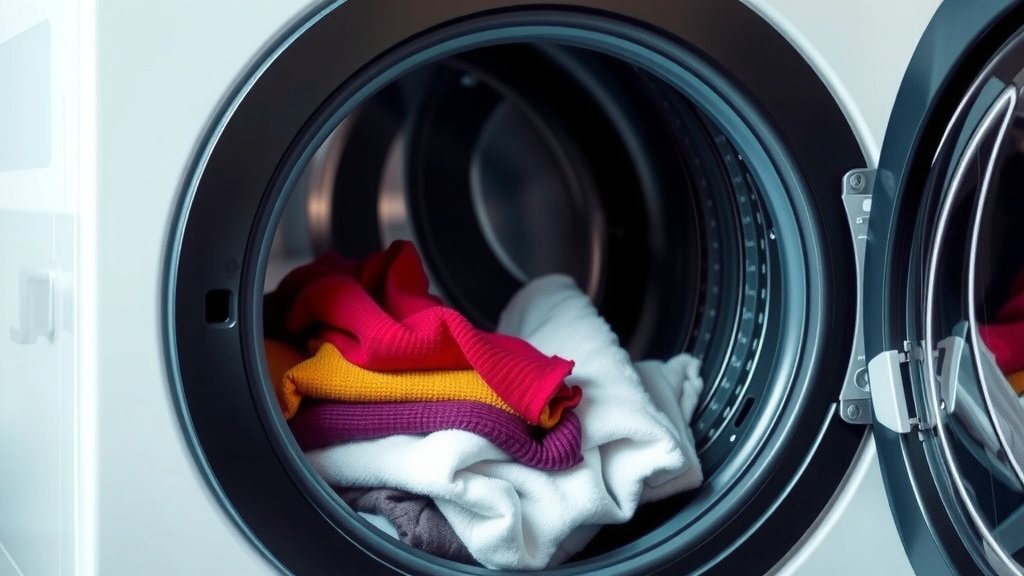
You’ve got a pile of laundry ready to go. Now, how do you load it into that sleek front load washing machine of yours without a hitch? It’s actually pretty straightforward. The most important rule is to load clothes loosely. Think of it like packing a suitcase; you don’t want to jam everything in so tight that nothing else fits. Your washing machine needs space for water and detergent to move around freely.
This space is essential for getting your clothes truly clean. When items are packed too tightly, the water and soap can’t reach all the fabric surfaces. This can leave behind dirt and grime, or even detergent residue. We found that many washing machine manufacturers recommend leaving about a hand’s width of space between the top of the clothes and the top of the drum.
Preparing Your Clothes for the Wash
The Essential Pocket Check
Before you even think about tossing your clothes in, there’s one crucial step many of us forget: checking those pockets. It sounds simple, but rogue tissues can disintegrate into a powdery mess that clings to everything. Coins, pens, keys – these can all damage your machine or your clothes. Research from appliance experts consistently points to pocket checks as a way to prevent costly repairs and extend the life of your laundry.
- Look in every pocket: pants, shirts, jackets, even small items like socks.
- Remove any coins, keys, or sharp objects.
- Shake out any debris or tissues.
Sorting Your Laundry
Just like any wash cycle, sorting your clothes is key. You’ll want to separate them based on color and fabric type. This prevents colors from bleeding onto lighter items and ensures delicate fabrics aren’t damaged by heavier ones. Many guides suggest separating into lights, darks, and colors. For really delicate items, you might even consider a separate wash load.
Dealing with Stains Before Loading
Have a stubborn stain? It’s best to treat it before it goes into the washing machine. While some stains might come out in the wash, others can set deeper into the fabric when exposed to heat and agitation. Pre-treating allows you to target the stain directly. You can use a commercial stain remover or even a dab of liquid laundry detergent.
The Loading Process: Step-by-Step
Step 1: Open the Door and Start Loading
This is where the magic begins! Open the door of your front load washer. You’ll see the drum, which is the large metal cylinder inside. Begin placing your sorted clothes into the drum, one item at a time.
Step 2: Distribute Items Evenly
As you add clothes, try to distribute them around the drum. Don’t just pile everything in one spot. Think of it like putting items into a dryer; an even distribution helps the machine balance itself during the spin cycle. This can help reduce vibrations and noise. We found that simply tossing items in loosely tends to distribute them fairly well on its own.
Step 3: Don’t Pack It In Too Tight
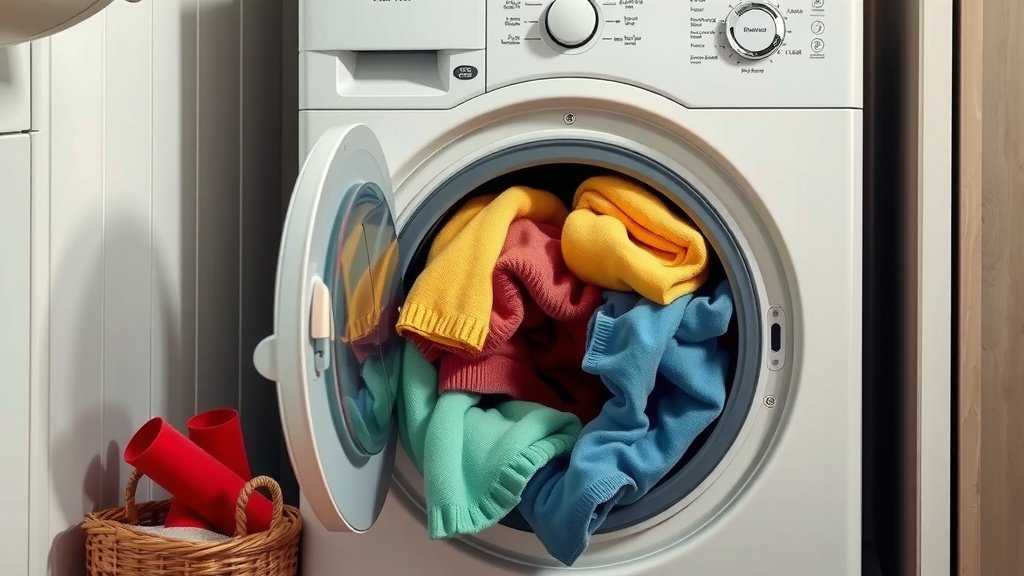
This is the golden rule. As you add more clothes, keep the “hand’s width” rule in mind. If you have to force items in, it’s too full. The clothes should be able to tumble freely. Many user manuals and repair technicians will tell you that overfilling is one of the most common mistakes people make. It truly hinders the washing performance.
Imagine your clothes need room to dance in there! If they’re all crammed together, they can’t move and get clean properly. This is why front loaders are often called “high-efficiency” machines; they use less water, and that water needs to circulate effectively through the load (Energy Star).
Step 4: Close the Door Securely
Once you’ve loaded your items and ensured there’s enough space, close the door firmly. You should hear a distinct click when it locks into place. This is important for the machine’s safety features; it won’t start if the door isn’t properly secured.
What to Avoid When Loading
Overfilling the Drum
We’ve mentioned this, but it bears repeating. Overfilling is the enemy of a good wash. It means clothes won’t get clean, the machine works harder, and you could even damage the motor or seals over time. Many consumer reports highlight this as a top reason for washing machine issues.
Loading Only One Heavy Item
Placing just one or two heavy items, like a large bath towel or a single pair of jeans, can throw off the machine’s balance. During the spin cycle, this can cause excessive shaking and banging. It’s best to mix heavier items with lighter ones for a more balanced load.
Washing Items That Can Damage the Machine
Aside from checking pockets, be mindful of what you’re washing. Items with metal parts like zippers or underwire bras can snag on the drum. While many machines can handle zippers, it’s wise to zip them up to prevent damage. For items with underwire, using a mesh laundry bag is a great protective measure.
A Quick Loading Checklist
- Check all pockets for forgotten items.
- Sort clothes by color and fabric type.
- Treat any visible stains before washing.
- Load clothes loosely into the drum.
- Ensure you can fit your hand between clothes and the drum top.
- Close the door until it clicks.
Conclusion
You’ve got this! Loading your front load washer correctly is all about giving your clothes and machine the space they need to perform. By checking pockets, sorting your laundry, and avoiding overstuffing, you ensure a cleaner wash and help your machine last longer. Remember that hand’s width rule as your guide.
Ready to tackle that laundry pile with confidence? Your next load will be a breeze. Start by taking a moment to prepare your clothes and load them loosely – your laundry will thank you!
Frequently Asked Questions
How much space should I leave in my front load washer?
Aim to leave about a hand’s width of space between the top of the clothes and the top of the washer drum. This ensures water and detergent can circulate freely for a thorough clean. Don’t force clothes in if it’s too full.
Can I wash a single heavy item like a comforter in my front load washer?
Washing only one heavy item can unbalance the machine during the spin cycle, causing excessive shaking. If washing a comforter, try to add a few lighter items like towels to help balance the load.
What happens if I overfill my front load washing machine?
Overfilling means your clothes won’t get clean properly, as water and detergent can’t circulate. It also puts extra strain on your washing machine’s motor and seals, potentially leading to damage over time.
Do I need to zip up zippers before putting clothes in the washer?
It’s a good idea! Zipping up zippers can help prevent them from snagging on delicate fabrics or scratching the inside of the drum. For items with exposed metal parts, consider using a mesh laundry bag for extra protection.
Is it okay to put shoes in a front load washing machine?
Generally, yes, but with caution. It’s best to wash athletic shoes or sneakers. Place them in a mesh laundry bag to protect them and your machine. Avoid washing boots or shoes with delicate materials like leather.

![7 Best Deal On Washing Machine [In 2026]](https://homeunderstandable.com/wp-content/uploads/2026/08/7-best-deal-on-washing-machine-in-2026-featured-768x432.jpg)