Refill Paintball Tanks Safely With Air Compressor
Yes, you can refill your paintball tanks using a high-pressure air compressor. It’s a practical way to keep your gear ready for the next game. Just make sure your compressor is rated for the correct pressure and has the right adapter.
Many players wonder if this method is safe and effective for their tanks. We found that with the proper setup, it’s a reliable alternative to using a fill station. You’ll need to be mindful of tank safety and pressure limits throughout the process.
- Refilling paintball tanks with an air compressor is possible.
- Ensure your compressor can handle the required pressure.
- Use the correct adapter for a secure connection.
- Always check tank pressure and safety guidelines.
- This method saves time and money for frequent players.
Let’s walk through how to safely and effectively refill your paintball tanks using an air compressor, step by step.
Filling Your Paintball Tanks with an Air Compressor
Yes, you can indeed refill your paintball tanks using an air compressor. It’s a fantastic way to save money and time if you play often. Think of it like filling your car’s tires at home instead of a gas station. We found that with the right setup, it’s a totally doable process. You just need to be careful and aware of the safety steps involved. This method is safe and effective when you pay attention to the details.
Getting the Right Air Compressor Setup
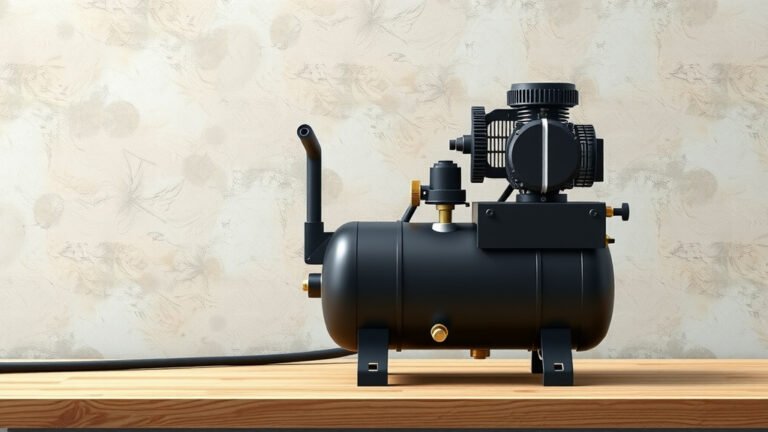
So, what kind of air compressor are we talking about here? It’s not your average garage compressor for inflating tires. Your paintball tank needs **high-pressure air**. We found that most paintball tanks require around 3000 to 4500 PSI (pounds per square inch). Your air compressor absolutely must be rated for these pressures. Using a compressor that can’t handle the load can be dangerous. It might not even be able to fill the tank properly.
Compressor Pressure Ratings Explained
You’ll see PSI ratings on air compressors. This tells you the maximum pressure it can produce. Always check this number carefully. A compressor rated for 150 PSI won’t cut it for a paintball tank. You need something designed for much higher pressures. Many experts say to look for compressors specifically built for high-pressure applications. This ensures it can safely reach the PSI your tank needs.
Essential Compressor Components
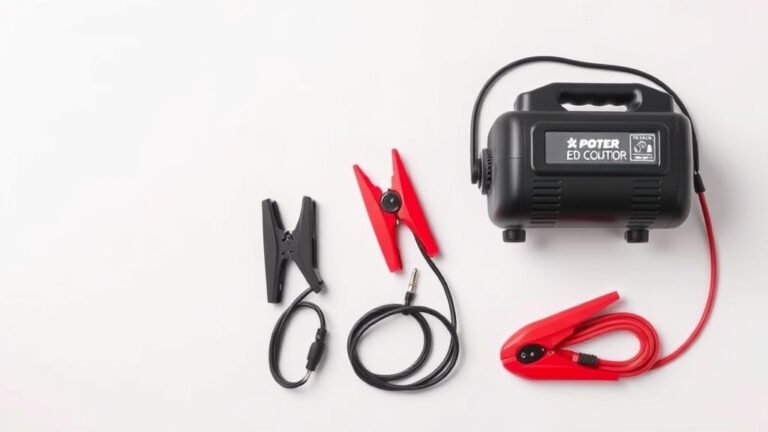
Beyond the compressor itself, you’ll need a few other bits and pieces. The most important is the **fill adapter**. This is what connects your compressor’s hose to your paintball tank’s valve. These adapters are often called “quick disconnects” or “fill nipples.” They need to be compatible with both your tank and your compressor’s output fitting.
You’ll also need a **high-pressure hose**. Standard air hoses might not be strong enough for the intense pressure. Make sure the hose is rated for at least 5000 PSI. We found that using a hose that’s too weak is a major safety risk.
The Connection: Adapters and Hoses
Getting the right adapter is key to a leak-free fill. Paintball tanks typically use a standard ASA (Air Sports Association) fitting. Your compressor’s output might be a NPT (National Pipe Taper) thread or a quick-connect fitting. You’ll need an adapter that bridges this gap securely.
Types of Fill Adapters
There are several types of adapters available. Some screw directly onto your compressor’s output. Others are quick-connect styles that snap into place. You want one with a good, tight seal. Leaks mean lost air and longer fill times. We recommend looking for adapters with built-in pressure gauges. This helps you monitor the air pressure as it goes into your tank.
Ensuring a Secure Hose Connection
Once you have the adapter, you need to connect it to your compressor’s hose. This might involve threading or a push-and-lock mechanism. Make sure the connection is **snug and leak-free**. A loose connection can lead to air escaping and potentially a dangerous spray of high-pressure air.
Safety First: Pre-Fill Checks and Procedures
Safety is the absolute number one priority when filling paintball tanks with a compressor. These tanks hold a lot of pressure. Any mistake can lead to serious injury. So, before you even think about turning on the compressor, there are several things you need to check.
Inspect Your Paintball Tank
First, examine your paintball tank itself. Look for any signs of damage, such as dents, cracks, or corrosion. Check the “birth date” or hydrotest date stamped on the tank. Tanks have a lifespan, usually around 15 years. If your tank is expired or damaged, do not attempt to fill it. Many safety guidelines strongly advise against filling damaged tanks (National Fire Protection Association).
Verify Tank and Regulator Condition
Your tank’s regulator is also critical. This device controls the outflow of air. Make sure it’s in good working order and properly attached. If the regulator seems loose or damaged, it’s best to get it serviced or replaced by a professional. A faulty regulator can release air too quickly or not at all.
Understand Your Tank’s Pressure Limit
Every paintball tank has a maximum fill pressure, usually printed on the tank itself. It’s often either 3000 PSI or 4500 PSI. **Never exceed this limit**. Overfilling a tank is incredibly dangerous and can cause it to rupture. Always keep an eye on the pressure gauge during the fill process.
The Filling Process: Step-by-Step Guide
Now that you’ve got your gear ready and your safety checks done, let’s walk through the actual filling process. We’ll break it down into simple, manageable steps to make it as straightforward as possible.
Step 1: Connect the Fill Adapter
Attach the fill adapter securely to your compressor’s high-pressure hose. Ensure it’s tight and there are no leaks. Then, carefully screw the adapter onto the valve of your empty paintball tank. Make sure it’s threaded in straight to avoid damaging the tank’s valve.
Step 2: Slowly Introduce Air
Before turning on the compressor, you might want to slightly open the valve on your tank. This releases any trapped air and ensures a smooth start. Then, slowly turn on your air compressor. You should hear the compressor start to build pressure. Keep your hand near the compressor’s shut-off valve, just in case.
Step 3: Monitor the Pressure
Watch the pressure gauge on your fill adapter or compressor. Let the air flow into the tank slowly. You’re aiming for the maximum pressure rating of your tank (either 3000 or 4500 PSI). Do not rush this. Rushing can lead to overheating of the compressor or an uneven fill.
Step 4: Safely Disconnect
Once your tank reaches its target pressure, shut off the air compressor. Then, slowly close the valve on your paintball tank. This prevents air from rushing back out. After the pressure equalizes slightly, you can carefully unscrew the fill adapter. You might hear a small hiss of air as the adapter releases. Be ready for this.
Step 5: Check for Leaks
After filling, spray a little bit of soapy water around the tank valve and the adapter connection. If you see bubbles forming, you have a leak. You’ll need to re-tighten the adapter or check the seals before your next use.
Troubleshooting Common Issues
Sometimes, things don’t go perfectly. It’s helpful to know what to do if you run into problems. Most issues are related to pressure, leaks, or the equipment itself.
Tank Not Filling
If your tank isn’t filling, first check that the compressor is actually running and producing pressure. Ensure the fill adapter is tightly screwed onto the tank valve. Sometimes, the tank valve might be faulty. If you suspect this, it’s best to have it checked by a professional.
Air Leaks
Small leaks are often caused by a loose adapter or a worn-out O-ring on the fill nipple. Try tightening the adapter. If that doesn’t work, inspect the O-ring and replace it if it looks damaged. We found that regularly checking and replacing O-rings is good maintenance practice.
Compressor Overheating
If your compressor is overheating, you might be trying to fill too quickly. Take breaks between fills. Ensure your compressor has good ventilation. Overheating can damage the compressor and also pose a safety risk.
Here’s a quick checklist for your next fill:
- Is your compressor rated for the correct high pressure?
- Is your fill adapter compatible and securely attached?
- Is your paintball tank free from damage and not expired?
- Are you monitoring the pressure and not exceeding tank limits?
- Have you checked for leaks after filling?
- Is your fill hose rated for high pressure?
Conclusion
You’ve learned that refilling your paintball tanks with a high-pressure air compressor is absolutely achievable. It requires the right equipment, a careful approach, and a strong focus on safety. By checking your tank’s condition, ensuring your compressor and adapter are up to par, and following the step-by-step filling process, you can reliably power your game. Remember to always prioritize pressure limits and inspect for leaks. Ready to get back on the field? Ensure your setup is perfect before your next fill, and happy gaming!
Frequently Asked Questions
Can any air compressor be used to fill a paintball tank?
No, you cannot use just any air compressor. Paintball tanks require very high pressure, typically 3000 to 4500 PSI. Your air compressor must be rated for these high pressures; a standard garage compressor won’t be sufficient and could be dangerous.
How do I know if my paintball tank is safe to refill?
Always inspect your tank for dents, cracks, or corrosion. Check the hydrotest date stamped on the tank. Tanks have a limited lifespan (usually around 15 years) and must be hydrotested regularly. Never fill a tank that is expired or shows signs of damage.
What is the most important safety check before filling?
The most critical safety check is verifying your tank’s maximum pressure limit and ensuring you do not exceed it. Overfilling is extremely dangerous and can cause the tank to rupture. Always monitor your pressure gauge during the filling process.
What should I do if I notice a leak after filling?
If you detect a leak, the most common cause is a loose fill adapter or a worn O-ring. Try tightening the adapter first. If the leak persists, inspect the O-ring on the tank valve or adapter and replace it if it looks damaged or worn.
Is it cheaper to refill my paintball tank with a compressor than at a field?
For frequent players, refilling with your own high-pressure air compressor can save money over time compared to paying for fills at a paintball field. The initial investment in the compressor and accessories is offset by the ongoing cost savings.