How to Remove Moisture from Your Air Compressor
The simplest way to remove moisture from your air compressor is to regularly drain the tank. Moisture is a natural byproduct of compressing air, and letting it sit can cause rust and damage to your tools. Draining it is a quick maintenance step that keeps your compressor running smoothly.
You might not think about it, but that little bit of water can cause big problems. It can lead to corrosion inside the tank and even affect the performance of air-powered tools. Learning to manage this moisture is key to extending the life of your equipment and ensuring consistent results.
TL;DR:
- Always drain your air compressor tank after use.
- This prevents rust and internal damage.
- Check and drain the moisture trap regularly.
- Consider an air dryer for persistent moisture issues.
Below, we’ll walk you through exactly how to tackle moisture in your air compressor, step by step.
Tackling Moisture in Your Air Compressor System
Let’s get straight to it. Managing moisture in your air compressor is essential. This watery intruder can lead to corrosion inside your tank and damage your expensive air tools. It’s not a matter of if it will cause problems, but when. Thankfully, keeping it at bay is a straightforward maintenance task you can easily handle.
The Simple Act of Draining Your Tank
The absolute easiest and most important step is to drain the tank after every use. Think of it like putting away your tools after a project. Air, when compressed, naturally expels moisture. This water then settles at the bottom of your tank. If left sitting, it becomes a breeding ground for rust.
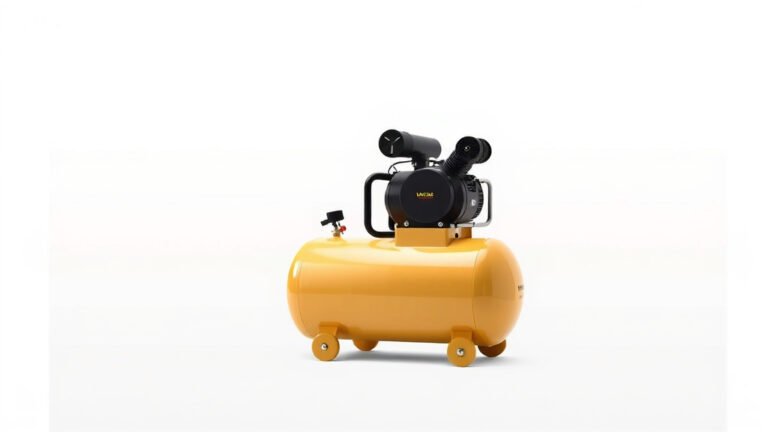
This isn’t a complicated process. Most air compressors have a small valve, often called a drain cock or petcock, located at the very bottom of the tank. You just need to open it up and let the water out. It’s a quick task that prevents big headaches down the road.
Finding and Using the Drain Valve
You’ll find this valve typically at the base of the air compressor’s storage tank. It might look like a small knob, a lever, or even a plug you can unscrew. Before you drain, make sure the tank is depressurized. Never try to drain a pressurized tank; that’s a recipe for a mess and potential injury. Simply turn off the compressor and open a connected air tool to release any stored pressure.
Once depressurized, open the drain valve slowly. You’ll hear a hiss as the air escapes, and then you’ll see water start to drip or flow out. Let it drain until only air comes out. Close the valve securely afterward. This simple habit is the first line of defense against internal damage.
Understanding the Moisture Trap (Water Separator)
Many air compressors come equipped with a moisture trap, also known as a water separator. This is often located inline with your air hose or directly on the compressor’s output. Its job is to catch moisture before it gets to your tools. It’s a helpful addition, but it still needs your attention.
These traps work by using various methods, like centrifugal force or a desiccant material, to collect water. However, they can only hold so much. If you don’t empty them, they will eventually overflow, defeating their purpose and letting water pass through.
How to Empty Your Moisture Trap
Emptying a moisture trap is very similar to draining the main tank. Most have a small valve or a twist-off bowl at the bottom. Again, ensure the system is depressurized before you attempt this. Some traps might have a small knob or lever you need to turn. Others might require you to unscrew a small bowl. Once open, let the collected water drain out.
We found that many users forget about these smaller traps. It’s easy to focus on the main tank. Make it a habit to check and drain your moisture trap every time you drain the main tank. This ensures it’s always ready to do its job. Some advanced models might even have an automatic drain, which is a great convenience if you have one.
When Simple Draining Isn’t Enough
While regular draining handles most situations, sometimes you face persistent moisture problems. This is especially true in humid climates or when you’re using compressed air for sensitive applications, like painting or operating delicate pneumatic tools.
The Role of Air Dryers
If you find that even with diligent draining, you still have too much moisture, it might be time to consider an air dryer. These are specialized pieces of equipment designed to remove moisture from the compressed air stream. They are a step up from basic moisture traps and offer a much drier air supply.
There are a few main types of air dryers. Refrigerated dryers cool the air down, causing the moisture to condense and be removed. Desiccant dryers use materials that absorb moisture from the air. The choice depends on your needs, the required air quality, and your budget. Many experts suggest that for professional or high-demand use, an air dryer is a worthwhile investment.
Types of Air Dryers Explained
Refrigerated dryers are common in industrial settings. They work like a giant air conditioner for your compressed air. They cool the air to a low temperature, typically around 35-50°F, causing water vapor to turn into liquid water, which is then drained away. These are effective for general-purpose drying but may not get the air completely bone dry.
Desiccant dryers use absorbent materials, like silica gel, to “soak up” the moisture. The air passes over these materials, leaving the water behind. These can often produce extremely dry air, which is critical for applications like painting or food processing. They often work in pairs, so one can be regenerating (drying out the desiccant) while the other is drying the air.
Checking Your Air Hoses and Fittings
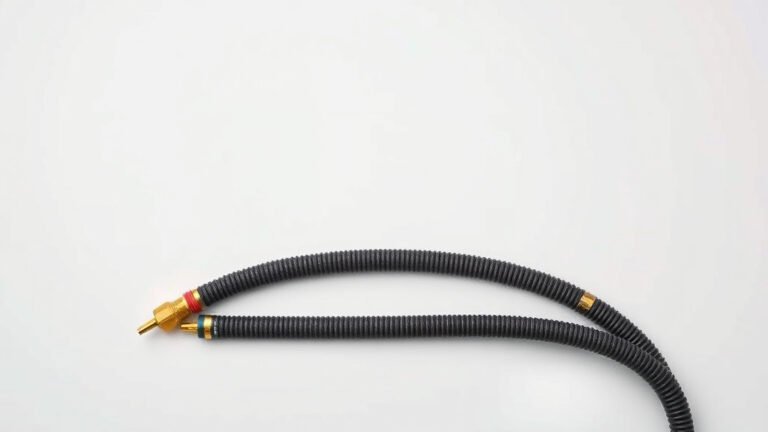
Don’t forget about the rest of your system! Sometimes, moisture can linger in your air hoses or fittings. Over time, these can develop small leaks or imperfections where moisture can accumulate. A quick visual inspection can often reveal problem areas.
Look for any signs of rust or discoloration on metal fittings. Ensure all connections are tight. If you suspect a leak, you can use a spray bottle with soapy water; bubbles will indicate where air is escaping. While this is more about leaks, a persistent buildup of moisture in a hose can also be a sign of a more significant issue with the compressor itself.
A Quick Checklist for Moisture Control
Here’s a simple checklist to help you stay on top of moisture in your air compressor:
- Drain the main tank after every single use.
- Check and drain the inline moisture trap regularly.
- Inspect hoses and fittings for any signs of trouble.
- Listen for unusual noises during operation; they can indicate issues.
- Consider a desiccant cartridge for extra protection on the air outlet.
- If moisture persists, research air dryer options for your needs.
Conclusion
You’ve learned that keeping moisture out of your air compressor is vital. It’s a task that protects your tools from rust and damage. Simple habits like consistently draining your tank and checking your moisture trap go a long way. Don’t forget to inspect your hoses and fittings, too. If you’re dealing with tough humidity or demanding applications, an air dryer is a smart upgrade. Make moisture management a regular part of your air compressor maintenance routine to ensure its longevity and performance. Your next step should be to schedule a quick check of your drain valve and moisture trap before your next project.
Frequently Asked Questions
How often should I drain my air compressor tank?
You should aim to drain your air compressor tank after every single use. This prevents moisture from sitting and causing rust. It’s a simple habit that greatly extends the life of your tank and connected tools.
Can water damage my air tools?
Yes, water in the compressed air supply can definitely damage your air tools. It can cause internal components to rust and seize up, leading to poor performance or complete failure. This is why removing moisture is so important.
What’s the difference between a moisture trap and an air dryer?
A moisture trap (water separator) is a basic component that collects some water, but it needs regular emptying. An air dryer is a more advanced system, like a refrigerated or desiccant dryer, designed to remove a much larger percentage of moisture from the air stream.
My compressor is in a humid garage, does that matter?
Absolutely. In humid environments, your air compressor will naturally pull in more moisture from the surrounding air. This means you’ll need to be even more diligent with draining the tank and checking your moisture trap frequently to combat the increased water buildup.
Are automatic drain valves worth the extra cost?
Automatic drain valves can be a great convenience, especially if you use your compressor often or have trouble remembering to drain it manually. They help ensure moisture is removed consistently, which can prevent damage and save you time in the long run.