Quiet Your Air Compressor: Effective Noise Reduction Tips
The easiest way to silence an air compressor is by placing it inside an enclosure. You can also reduce its noise by adding a muffler or using vibration dampening mats. These methods help cut down on the loud sounds your compressor makes, especially when you’re working in a residential area.
Air compressors can be surprisingly noisy. That drone can disrupt conversations, outdoor activities, and even your peace and quiet. Fortunately, you don’t have to live with a constantly roaring machine. We’ve researched various methods to significantly reduce compressor noise and make your workspace much more pleasant. Many experts agree that combining a few techniques often yields the best results.
- Build an enclosure for your compressor.
- Install a more effective muffler.
- Use anti-vibration pads.
- Consider placement and surroundings.
- Maintain your equipment regularly.
Let’s walk through exactly how you can make your air compressor much quieter, step by step.
Quieting Your Noisy Air Compressor
You’ve got a job to do, and your air compressor is essential. But that loud noise? It can really put a damper on things. Fortunately, you can make a big difference in how much sound escapes your compressor. We’ve looked into the best ways to quiet that racket, and you’ll find them right here.
Building an Effective Compressor Enclosure
The most effective way to silence your air compressor is by building a custom enclosure. Think of it like a soundproof box for your machine. This method drastically reduces the noise you hear.
Designing Your Soundproof Box
When designing your enclosure, the goal is to block sound waves. You’ll want to use dense materials that absorb sound. Common materials include thick plywood, MDF (medium-density fiberboard), and even concrete blocks.
Material Choices for Sound Absorption
We found that layering materials works best. Start with a sturdy frame, perhaps from 2x4s. Then, line the inside walls with a sound-dampening material. Mass-loaded vinyl (MLV) is a popular choice because it’s heavy and dense. You can also use thick foam panels, like those used in recording studios, or even acoustic blankets.
Ventilation is Key
This is super important: your compressor needs air to run. If you seal it up completely, it will overheat. You need to create vent openings. These should be baffled to allow air in and out without letting sound escape easily. Think of a maze for sound to get lost in. You can build these using a series of angled channels lined with sound-absorbing foam.
Access and Portability
Remember you’ll need to access the compressor for maintenance or to start/stop it. Hinged doors or removable panels are a good idea. If you need to move the compressor, consider building the enclosure on a wheeled platform. This makes it a bit easier to maneuver, though these enclosures can get quite heavy.
Tips for Building Success
Seal all gaps and seams meticulously. Even small holes can let a lot of noise escape. Use acoustic caulk or sealant to ensure everything is airtight where it needs to be. Many builders recommend making the enclosure slightly larger than the compressor itself to allow for airflow around the unit.
Upgrading Your Air Compressor Muffler
The standard muffler on many air compressors isn’t very effective. It’s usually just a small, cheap plastic piece. Replacing it with a high-quality, industrial-grade muffler can make a noticeable difference.
Choosing the Right Muffler
Look for mufflers designed for industrial applications or even those used on small engines. They are built to handle higher volumes of air and absorb more sound. Check the inlet and outlet sizes to ensure compatibility with your compressor’s piping. A muffler that’s too restrictive can actually harm your compressor’s performance.
Types of Mufflers
There are reactive mufflers, which use chambers and baffles to cancel sound waves, and absorptive mufflers, which use sound-absorbing materials. Many high-performance mufflers combine both methods. We found that mufflers with a larger volume tend to be more effective at reducing noise.
Installation and Testing
Installation is usually straightforward, often involving just unscrewing the old muffler and screwing on the new one. Once installed, start the compressor and listen. You should notice a less harsh, more muffled sound. It won’t eliminate the noise entirely, but it will likely be much more bearable.
Using Anti-Vibration Mats and Pads
Air compressors vibrate. These vibrations travel through the floor or workbench, amplifying the noise. Using vibration-dampening materials under your compressor can absorb a lot of this unwanted shaking.
How Vibration Dampening Works
These mats and pads are made from dense, rubbery materials designed to absorb kinetic energy. When the compressor shakes, the mat absorbs the vibrations before they can travel and spread. This significantly reduces the rattling and buzzing sounds you might hear.
Types of Anti-Vibration Materials
You can find specialized anti-vibration pads designed specifically for machinery. These are often made from thick, industrial-grade rubber or a composite material. You can also use heavy-duty rubber mats, like those used for gym floors or under washing machines. The key is density and thickness.
Placement Matters
Place the mat directly underneath the air compressor. Ensure the compressor sits flat and stable on the mat. For even better results, we found that pairing an anti-vibration mat with a solid, heavy base (like a thick piece of concrete or steel) can further reduce noise transmission.
Strategic Compressor Placement
Where you put your air compressor can greatly influence how much noise you perceive. Don’t just put it anywhere; think about its surroundings.
Outdoor Placement Benefits
If possible, moving your air compressor outdoors is a great solution. The open air dissipates sound much better than being confined indoors. Even placing it on a back porch or patio can help keep the noise away from your living spaces. Ensure it’s protected from the elements, of course.
Indoor Placement Considerations
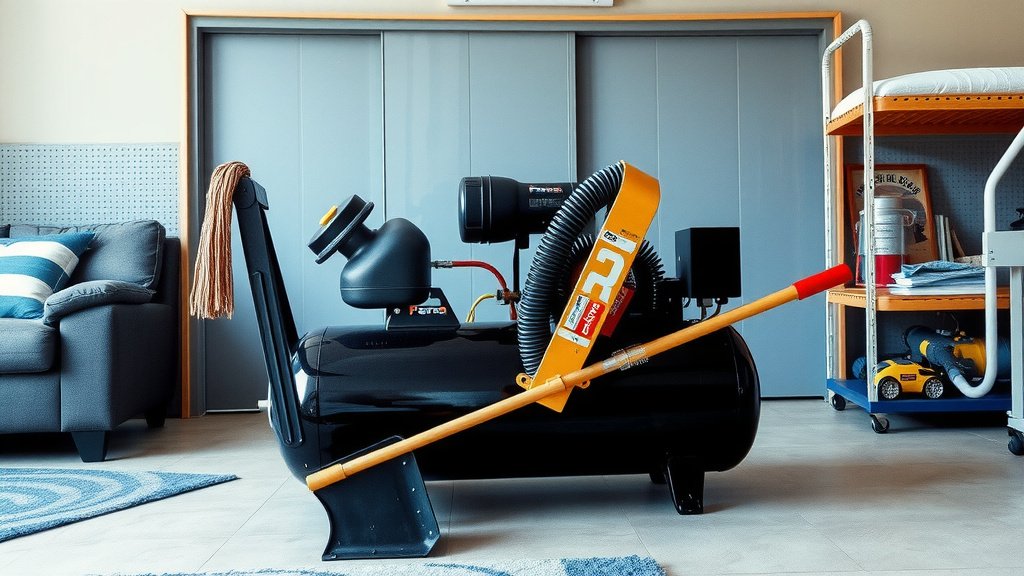
If you must keep it indoors, choose a location that naturally absorbs sound. A basement with carpeted floors or a garage with lots of stored items (which can absorb sound) is better than an empty, hard-surfaced room. Keep it as far away from occupied areas as possible.
Regular Maintenance for Noise Reduction
A well-maintained air compressor is often a quieter air compressor. Loose parts or worn components can create extra noise.
Checking for Loose Parts
Periodically go over your compressor and tighten any loose bolts, screws, or fittings. Pay attention to the motor mounts and the tank bolts. Vibrations can cause these to loosen over time. A quick check and tightening can prevent a lot of rattling.
Lubrication and Air Filters
Ensure all moving parts are properly lubricated. Dirty or clogged air filters can make the compressor work harder, potentially increasing noise. Replacing or cleaning filters as recommended by the manufacturer is a simple step that can help. Many guidelines point to regular maintenance as a way to improve efficiency and reduce noise (National Air Filtration Association).
Quick Checklist for a Quieter Compressor
Ready to take action? Here’s a quick rundown to get you started:
- Build a sound-dampening enclosure for your compressor.
- Install a high-quality, industrial muffler.
- Place anti-vibration mats under the unit.
- Move the compressor outdoors if feasible.
- Tighten all loose bolts and fittings regularly.
- Clean or replace air filters as needed.
Conclusion
You’ve learned several effective ways to quiet your noisy air compressor. Building an enclosure and upgrading your muffler are powerful solutions. Pairing these with anti-vibration mats and strategic placement can drastically cut down on disruptive sounds. Regular maintenance also plays a key role in keeping noise levels low. Don’t let compressor noise overwhelm your workspace any longer. Start by implementing one of these methods today to enjoy a more peaceful environment.
Frequently Asked Questions
How much noise reduction can I expect from an air compressor enclosure?
A well-built enclosure can reduce noise levels by 15-30 decibels or more. This is a substantial difference, making the compressor much less intrusive. The exact reduction depends on the materials used and how well you seal it.
Can I just use any thick rubber mat for vibration dampening?
While any dense rubber mat can help, specialized anti-vibration pads are typically more effective. These are engineered to absorb a wider range of frequencies. Look for industrial-grade options for the best results.
Is it safe to put an air compressor in an enclosed space without ventilation?
Absolutely not. An air compressor needs adequate ventilation to prevent overheating. Always incorporate baffled vents into your enclosure design to allow airflow while minimizing sound escape.
Will a better muffler affect my compressor’s performance?
A restrictive muffler can negatively impact performance. It’s essential to choose a muffler with the correct inlet and outlet sizes that isn’t overly restrictive. High-quality industrial mufflers are designed to balance noise reduction and airflow efficiency.
What’s the best way to silence an air compressor I only use occasionally?
For infrequent use, focusing on simpler methods is often best. Using thick anti-vibration mats and strategically placing the compressor in a less sensitive area can make a big difference. If it’s stored indoors, consider a portable sound-dampening blanket.