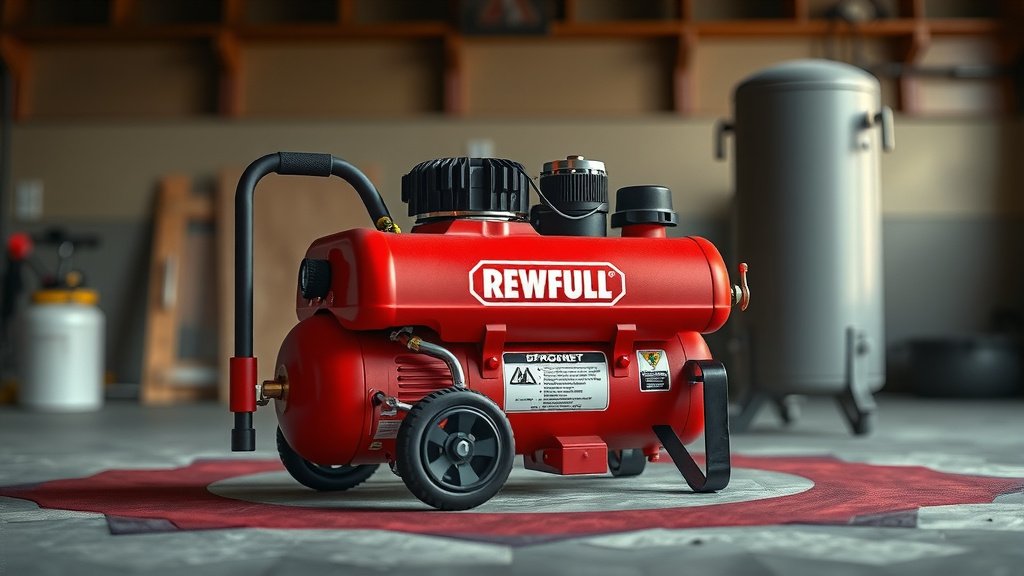
How to Safely Turn Off Your Air Compressor
Turning off your air compressor is simple, but doing it correctly ensures safety and longevity. The most common method involves shutting off the power switch and then releasing the built-up air pressure. Always consult your air compressor’s manual for specific instructions tailored to your model.
Understanding the basic shut-down sequence prevents damage to your equipment. It’s wise to also know when to inspect components like the drain valve. Many users find that consistent shutdown practices lead to fewer mechanical issues over time.
- Turn off the power switch.
- Release the tank pressure.
- Check your owner’s manual.
- Regular checks prevent problems.
Let’s walk through exactly how to turn off your air compressor step by step, making sure you do it the right way every time.
Safely Shutting Down Your Air Compressor
You’ve finished your project, and now it’s time to put your air compressor away. Knowing how to turn it off properly is more than just flipping a switch. It’s about protecting your investment and ensuring it’s ready for your next task. We’ll walk through the steps to safely power down your unit.
Step 1: Powering Down the Compressor
The first step in shutting down your air compressor is to turn off its power source. This usually means locating the main on/off switch. This switch might be a simple toggle, a push button, or even a dial. Make sure you’re operating the correct switch for the compressor itself, not just an accessory plugged into it.
Locating the Power Switch
Most portable air compressors have their power switch mounted directly on the unit. It’s often near the motor or the power cord connection. For larger, stationary units, the switch might be on the electrical panel or even a remote control. Always check your owner’s manual if you’re unsure about its exact location. A quick glance at your compressor’s diagram can save a lot of guesswork.
Engaging the Off Position
Once you’ve found the switch, move it to the ‘off’ or ‘0’ position. You should hear a click or feel a distinct change as it disengages. If your compressor has a pressure gauge, you might notice the needle start to drop slightly or remain steady, indicating the motor has stopped drawing power. Don’t rush this; a deliberate action confirms the motor is indeed off.
Step 2: Releasing the Air Pressure
After the motor is off, the next crucial step is to release the compressed air stored in the tank. Leaving pressure in the tank overnight can put unnecessary strain on the tank’s seals and components. It’s also a safety measure, reducing the risk of accidental discharge. We found that many users overlook this step, leading to premature wear.
Using the Drain Valve
Every air compressor tank has a drain valve. This is typically a small knob or lever located at the very bottom of the tank. To release the pressure, you’ll need to open this valve. Be prepared for a hiss of escaping air. You might want to place a small container or rag beneath the valve, especially if you haven’t drained it recently, as some residual moisture might come out with the air.
We found that regularly draining the tank not only releases pressure but also helps remove moisture. This moisture can lead to rust inside your tank over time. Many manufacturers, like those following general industrial safety guidelines (OSHA), recommend draining the tank after each use to prolong its life.
Monitoring the Pressure Gauge
As you open the drain valve, keep an eye on your air compressor’s pressure gauge. You want to release all the built-up air. The needle should return to zero. This might take anywhere from a few seconds to a minute or two, depending on how much air was in the tank. You’ll know the pressure is gone when the hissing sound stops completely.
Step 3: Final Checks and Cleanup
With the motor off and the tank pressure released, you’re almost done. A few final checks ensure everything is secure and ready for storage. This brief moment of attention can prevent future problems.
Securing the Drain Valve
After all the air has been released, remember to close the drain valve. If you leave it open, you’ll lose any air pressure you build up the next time you use the compressor, and it can also allow dust or debris to enter the tank. Turn the valve back to its closed position. It should feel snug, but don’t overtighten it, as this can strip the threads.
Disconnecting Accessories
If you were using any air tools or accessories, it’s a good time to disconnect them. This prevents accidental activation of the tool when the compressor is next powered on. Some tools have their own pressure release mechanisms, but disconnecting them at the hose is a good habit.
Cord Management
Finally, make sure the power cord is neatly coiled and secured. If your compressor has a built-in cord wrap, use it. This keeps the cord tidy and prevents it from becoming a tripping hazard or getting damaged. A little organization now saves time and hassle later.
When to Be Extra Cautious
While the general process is straightforward, certain situations call for extra care. For instance, if you notice any unusual noises during operation or when shutting down, it’s wise to investigate. Listen for grinding sounds, excessive rattling, or sudden changes in motor pitch.
Unusual Sounds or Smells
If your compressor starts making odd noises or emitting strange smells like burning plastic or oil, shut it down immediately. Don’t proceed with the standard shutdown if something seems seriously wrong. Consult your manual for troubleshooting or contact a qualified technician. Safety first, always!
Emergency Shut-Off Procedures
Most compressors have a clearly marked emergency stop button, often red and easily accessible. If you ever feel the situation is unsafe or the unit is malfunctioning severely, this button is your best friend. Researching its location and function *before* you need it is a smart move.
A Quick Shut-Down Checklist
To make sure you don’t miss a step, keep this simple checklist handy:
- Turn off the main power switch.
- Ensure the motor has stopped running.
- Open the drain valve to release all tank pressure.
- Watch the pressure gauge until it reads zero.
- Close the drain valve securely.
- Disconnect any attached air tools or hoses.
Following these steps consistently will help keep your air compressor in good working order for years to come. It’s like a little bedtime routine for your trusty tool!
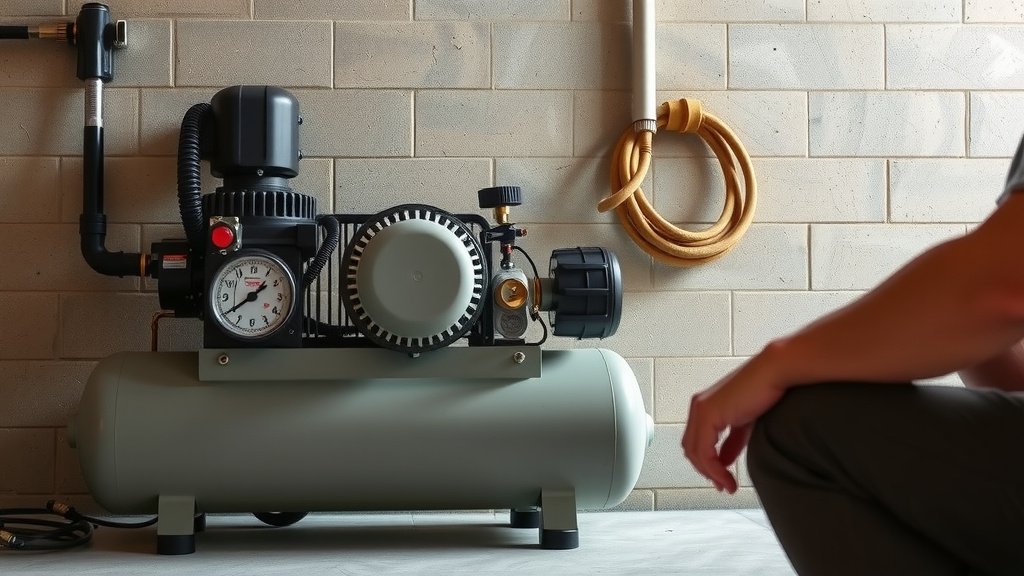
Conclusion
You’ve learned the essential steps to safely turn off your air compressor. Remember, powering down the unit correctly and releasing tank pressure are key to its longevity. It’s not just about stopping the motor; it’s about protecting your equipment from unnecessary strain and moisture damage. Always make it a habit to close the drain valve after use and disconnect any tools.
By consistently following this simple shutdown procedure, you’re ensuring your air compressor remains reliable for every project. Your next step is to make this shutdown sequence a part of your routine. Treat your compressor well, and it will serve you faithfully.
Frequently Asked Questions
What happens if I don’t release the air pressure?
Leaving pressure in the tank can put constant stress on the tank’s seals and components. Over time, this can lead to premature wear and potential leaks. It also means the tank is still pressurized, which can be a safety concern if accidentally bumped.
How often should I drain the moisture from the tank?
Most experts and manufacturers, following general safety guidelines, recommend draining the tank after each use. This not only releases pressure but also helps remove moisture that can cause rust inside the tank, prolonging its lifespan.
Can I just unplug the air compressor instead of using the power switch?
While unplugging will cut the power, it bypasses the proper shutdown sequence. It’s best to use the designated power switch first to allow the motor to stop naturally. Then, follow up with releasing the pressure. Unplugging might be a good secondary safety measure for storage, but not the primary shutdown method.
My drain valve is stuck. What should I do?
If your drain valve is stuck, try gently tapping it with a wrench or applying a penetrating lubricant. Avoid excessive force, which can damage the valve. If it remains stuck, consult your compressor’s manual for troubleshooting or contact a repair professional to avoid damaging the tank.
Is it okay to leave a small amount of pressure in the tank overnight?
It’s generally not recommended to leave significant pressure in the tank overnight. Releasing all the pressure is a best practice that minimizes wear on components and reduces moisture buildup. A completely empty tank is safer and better for the compressor’s long-term health.