How to Soundproof an Air Compressor Effectively
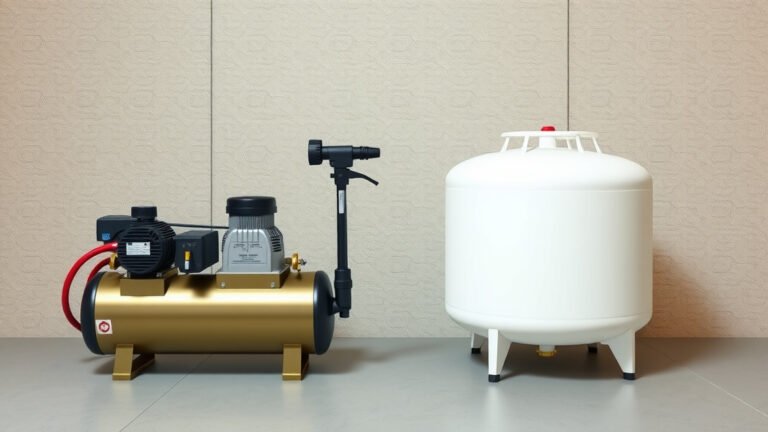
Yes, you can definitely soundproof your air compressor to make your workspace quieter. The most effective methods involve creating an enclosure and using sound-dampening materials. This significantly reduces the noise that travels into your shop or home.
Air compressors are notorious for being noisy machines. That constant hum or loud burst can be incredibly disruptive. Fortunately, we found that a few simple steps can make a world of difference. These solutions are designed to block and absorb sound waves without hindering your compressor’s performance.
- Build an insulated box around your compressor.
- Use sound-absorbing foam or blankets.
- Ensure proper ventilation for your compressor.
- Consider rubber anti-vibration pads.
- Check for air leaks that can also cause noise.
Let’s walk through exactly how you can quiet down that noisy air compressor step by step.
Making Your Air Compressor Quieter
Dealing with a loud air compressor can really be a pain. You’ve probably already noticed how much noise it makes. The good news is you can take steps to quiet it down. We found that building a sound-dampening enclosure is one of the most effective ways to cut down on noise. This involves creating a barrier around your compressor to block and absorb sound waves.
Understanding Air Compressor Noise
Why are these machines so loud in the first place? Air compressors work by compressing air, which naturally creates vibration and noise. There are two main sources of sound: the motor and the compression process itself. The motor spins, and the compressor pistons or screws move rapidly. This mechanical action produces sound that travels through the air and through the structure of the compressor. We found that vibrations are a big part of the problem. These vibrations can travel through your floor or workbench, radiating noise into your workspace.
The Power of an Enclosure: Building a Soundproof Box
Creating a sturdy box around your air compressor is your best bet for significant noise reduction. Think of it like building a mini-room for your machine. This enclosure acts as a barrier, stopping sound from escaping. But it’s not just any box. The materials you use and how you build it matter a lot. We found that the goal is to block the sound from getting out while still allowing your compressor to breathe.
Choosing the Right Materials for Your Enclosure
When building your soundproof box, you’ll want to use dense materials. MDF (medium-density fiberboard) or thick plywood are excellent choices for the outer walls. These materials are heavy and help to block sound transmission. Research suggests that mass is key in soundproofing. The heavier and denser the material, the better it will be at stopping sound. We found that a thickness of at least 1/2 inch to 3/4 inch is recommended for the walls.
Adding Sound-Dampening Layers Inside
Just building a box isn’t enough. You need to add materials inside that will absorb the sound waves bouncing around. This is where acoustic foam or mass-loaded vinyl (MLV) comes in. Acoustic foam, often seen in recording studios, is designed to soak up sound. Mass-loaded vinyl is a heavy, flexible barrier that’s incredibly good at blocking noise. Many experts recommend combining these materials for the best results. We found that lining the inside walls, ceiling, and even the floor of your enclosure with these materials makes a big difference.
Ensuring Proper Ventilation for Your Compressor
This is a really important step that people sometimes forget. Your air compressor needs airflow to stay cool. If you completely seal it inside a box, it can overheat, leading to damage. You need to design your enclosure with ventilation in mind. How can you do this? You can create vents that allow air to come in and out. A common method is to have an intake vent and an exhaust vent. We found that using baffled vents can help. These have internal channels that let air pass through but force sound waves to take a longer, more indirect path, which reduces noise escaping.
Designing the Enclosure: Key Considerations
When you’re planning your enclosure, think about access. You’ll need to get to your compressor to turn it on and off, check the oil, and drain the tank. Make sure your design includes a door or a lift-off panel that’s also soundproofed. We found that sealing any gaps or seams is vital. Use acoustic caulk or weatherstripping around doors and panels to prevent sound leaks. Even small gaps can let a surprising amount of noise escape. Think of it like sealing a window – you don’t want drafts, and you don’t want sound drafts either.
Reducing Vibration: The Unsung Hero of Quiet
Noise isn’t just about airborne sound; vibrations are a major contributor. If your compressor is sitting directly on a hard surface, those vibrations are going to travel. We found that isolating the compressor from its surroundings is key to reducing this type of noise.
Using Anti-Vibration Pads or Mounts
Placing your air compressor on specialized anti-vibration pads is a simple yet effective step. These pads are typically made of dense rubber or a similar resilient material. They act as a buffer between the compressor’s feet and the floor. Many guidelines suggest using these for machinery that produces significant vibration. We found that they absorb much of the low-frequency rumbling that can travel through your workspace. You can often find these at hardware stores or industrial supply shops. Make sure they are rated for the weight of your compressor.
Checking and Tightening Components
Sometimes, the noise isn’t just the normal operation of the compressor; it can be due to loose parts. Take a moment to inspect your compressor. Are all the bolts and screws tight? Is the motor securely mounted? Even a slightly loose fitting can rattle and add to the overall noise. We found that a quick check and tightening session can sometimes solve unexpected noise issues. It’s like giving your car a quick once-over before a long trip.
Advanced Techniques and Other Considerations
Beyond the basic enclosure and vibration dampening, there are a few other things you can do. Sometimes, small air leaks can create hissing sounds that add to the overall noise pollution. We found that systematically checking for these leaks can contribute to a quieter environment.
Sound-Dampening Blankets as an Alternative or Addition
If building a full enclosure seems like too much work, or if you need an additional layer of sound reduction, consider using sound-dampening blankets. These are heavy blankets made of materials like mass-loaded vinyl and fiberglass. You can drape them over your compressor. Make sure you still allow for adequate ventilation. We found that these can be a good temporary solution or a great addition to an existing enclosure for extra quiet.
Strategic Placement of Your Air Compressor
Where you put your compressor can also make a difference. If possible, locate it away from your main work area or living spaces. Placing it in a separate garage, shed, or a corner of your workshop can help contain the noise. We found that placing the compressor against a wall that doesn’t share a room with where you spend a lot of time can be beneficial. Some people even build a dedicated small room or closet for their compressor, designing it with soundproofing in mind from the start.
Here’s a quick checklist to help you get started:
- Build a sturdy outer box from dense material like MDF or plywood.
- Line the inside of the box with sound-absorbing foam or mass-loaded vinyl.
- Incorporate baffled vents for essential airflow without letting all the noise escape.
- Add anti-vibration pads or mounts beneath your compressor.
- Ensure all panels and doors have tight seals to prevent sound leaks.
- Regularly inspect and tighten any loose components.
Conclusion
You’ve got this! Soundproofing your air compressor is totally achievable. By building a well-designed enclosure with dense materials and sound-absorbing liners, you’ll make a huge difference. Don’t forget the vibration pads and proper ventilation – they’re game-changers. Taking these steps means you can enjoy a much quieter workspace without sacrificing your compressor’s performance. Your next move is simple: grab your tools and get ready to build that sound-dampening box. You’ll love the peace and quiet!
Frequently Asked Questions
Will soundproofing affect my air compressor’s cooling?
It can, if not done correctly. Proper ventilation is key. We found that using baffled vents helps direct airflow while minimizing noise escape. Always ensure your enclosure design allows your compressor to get the air it needs to prevent overheating.
Can I just wrap my compressor in blankets?
Sound-dampening blankets can help reduce noise as a temporary solution or an addition. However, they might not offer the same level of soundproofing as a custom-built enclosure. Make sure you still allow for adequate airflow if you use blankets.
How much should I expect to spend on materials?
The cost varies based on the size of your compressor and the materials you choose. MDF or plywood, acoustic foam or mass-loaded vinyl, and hardware will be your main expenses. Research suggests you can often complete a project for under a few hundred dollars if you DIY.
Is it safe to run the compressor inside a completely sealed box?
No, absolutely not. Air compressors need airflow to prevent overheating and potential damage. Our research indicates that a sealed box will cause your compressor to overheat quickly. You must incorporate ventilation holes or baffled vents.
What’s the difference between sound blocking and sound absorption?
Sound blocking materials, like dense MDF, are designed to stop sound waves from passing through. Sound-absorbing materials, such as acoustic foam, soak up sound waves that hit them, reducing echoes and reverberation. We found that using both provides the best results.