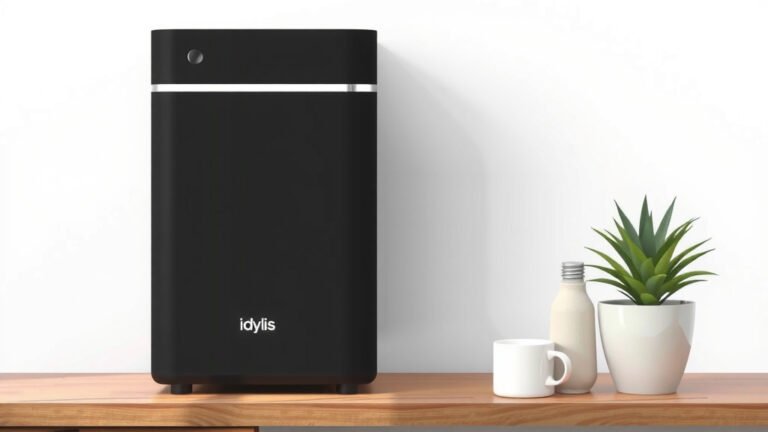
Car Air Purifier Guide: Freshen Your Ride Today
Using an air purifier in your car is a great way to improve your air quality. It works by filtering out pollutants like dust, pollen, and smoke. This can make your drives much more comfortable, especially if you have allergies or live in a smoggy area. Proper use ensures you get the cleanest possible air Our guide explains how to set up your air purifier for optimal performance. on the go.
Many car air purifiers are designed to be simple to operate. They typically plug into your car’s power outlet or a USB port. Think of it as bringing a tiny, portable air cleaner along for your commute. Many models also offer features like multiple fan speeds and indicator lights.
TL;DR:
- Air purifiers clean the air inside your car.
- They filter out dust, pollen, and smoke.
- Most plug into a car’s power outlet or USB.
- Using one can make your drives more pleasant.
- It’s a simple way to breathe cleaner air.
Let’s walk through exactly how to get your car air purifier set up and running for the best results.
Getting the Most from Your Car Air Purifier
So, you’ve got a car air purifier, and you’re ready to breathe easier on your commute. That’s fantastic! Think of your car as a small, often enclosed, environment. Dust, pollen, and even those mystery smells can really build up. An air purifier is your secret weapon against all that.
But how do you ensure it’s actually doing its job effectively? It’s simpler than you might think. We’ll walk through the setup and best practices to make sure you’re getting the cleanest air possible on every drive.
Choosing the Right Spot for Your Purifier
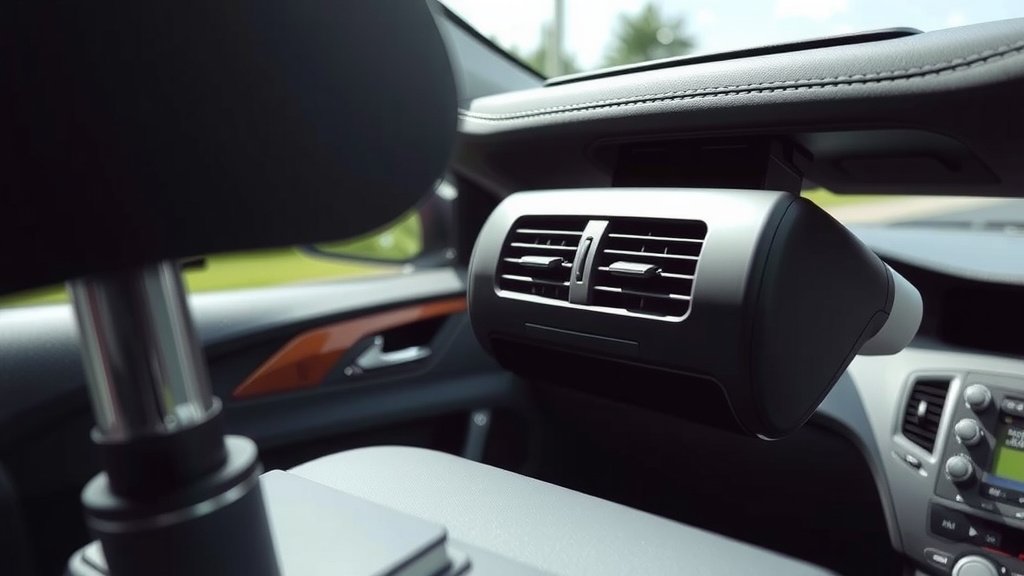
Where you place your car air purifier can make a big difference. You want it where it can effectively draw in air and circulate clean air throughout the cabin. Most purifiers are designed for a flat surface. This prevents them from tipping over or malfunctioning.
Common Placement Areas
Many people find success placing their air purifier on the center console. This area is usually relatively flat and accessible. It also often puts the purifier in a central location. This allows for better air distribution.
Another good spot is on the dashboard. Make sure it’s secure. You don’t want it sliding around. Some purifiers come with non-slip mats. These can help keep them in place, even on bumpy roads. Check your car’s dashboard for any uneven surfaces. These could hinder proper placement.
What to Avoid
It’s important to keep the air intake and outlet free from obstruction. Don’t place anything on top of the purifier. Don’t shove it into a tight corner where air can’t flow. This will make it work harder and less efficiently. It’s like trying to breathe through a pillow!
Also, avoid placing it where it might block your view of the road or interfere with driving controls. Safety first, always!
Powering Up Your Air Purifier
Most car air purifiers are designed for convenience. They usually plug into a standard car power outlet, often called a cigarette lighter port. Some newer models might use a USB connection.
Finding the Right Power Source
Locate your car’s power outlet. You might have more than one. If your purifier comes with a long enough cord, you have a bit of flexibility in placement. If you have a multi-port adapter, you can potentially power other devices too.
Consider how you’ll route the power cord. You want it to be neat and out of the way. Avoid running it where it could get snagged or trip someone. A tidy setup is a safe setup.
Understanding Power Requirements
It’s wise to check the power requirements of your air purifier. Most are designed for standard 12V car systems. However, it’s always good to confirm. Your car’s manual can tell you about its power outlet specifications.
What if your car only has USB ports? Some purifiers are specifically designed for this. Others might require an adapter to convert USB power to the voltage they need. This is less common for dedicated air purifiers, but good to be aware of.
Operating Your Air Purifier: Simple Steps
Once plugged in, operating most car air purifiers is a breeze. You’ll typically find a power button or a switch.
The On/Off Switch
Press the power button to turn it on. You’ll likely hear a gentle fan noise. Many purifiers have indicator lights. These show that the unit is powered on and working. Some might have different colors to indicate air quality.
Fan Speeds and Modes
Many models offer multiple fan speeds. A low setting is quieter and uses less power. It’s great for general use or when you want minimal distraction. A higher setting will move more air. This is useful for quickly cleaning the air. It’s perfect for after a smoky drive or when you first get into a stuffy car.
Some purifiers have an “auto” mode. This mode uses sensors to adjust the fan speed based on detected air quality. We found these can be very convenient. They let the purifier do the thinking for you.
Filter Maintenance: The Key to Clean Air
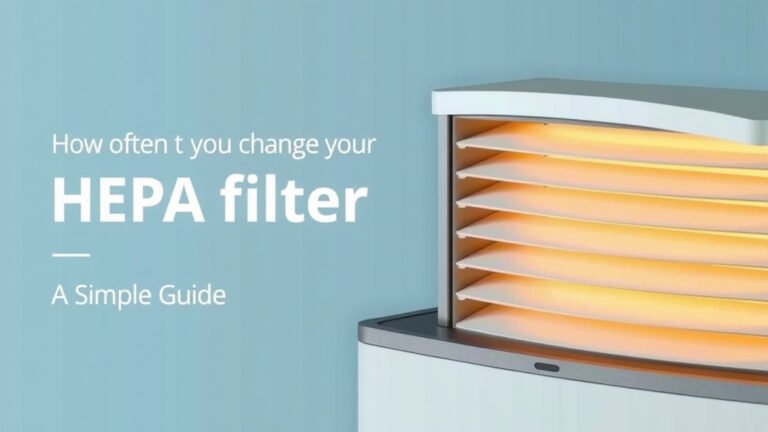
The heart of your air purifier is its filter. Like any filter, it needs attention to keep working. Neglecting the filter is the quickest way to reduce its effectiveness.
When to Replace Filters
Your purifier’s manual will specify a replacement schedule. This can vary widely, often from 6 months to a year. Factors like how often you use it and the air quality in your area play a role. If you notice reduced airflow or odors returning, it might be time for a new filter.
We found that some purifiers have filter replacement indicator lights. This is a handy feature. It takes the guesswork out of knowing when to swap it. Think of it as a little reminder for your car’s lungs!
How to Replace the Filter
Replacing the filter is usually a straightforward process. You’ll typically need to open the purifier’s casing. This might involve unscrewing a bottom panel or unlatching a cover. Consult your manual for specific instructions. Many manufacturers aim for easy DIY filter changes.
Once open, carefully remove the old filter. Dispose of it properly. Then, insert the new filter. Ensure it’s oriented correctly. Close up the casing securely. It’s a simple swap that makes a big difference.
Cleaning the Pre-Filter
Some purifiers have a washable pre-filter. This catches larger particles like hair and dust bunnies. Cleaning this regularly can extend the life of your main HEPA filter. Check your manual to see if yours has one. If so, rinse it gently. Let it air dry completely before reinserting.
Best Practices for Optimal Performance
To get the absolute best performance from your car air purifier, a few extra tips can help.
Run It Consistently
For the cleanest air, run your purifier regularly. Even short trips benefit from cleaner air. If you drive daily, try to have it on during most of your journeys. This prevents pollutants from accumulating.
Use It When the Car is Off (Carefully)
Some purifiers have low power settings that can be used while the car is parked. This can pre-clean the air before you even start driving. However, be mindful of your car’s battery. Running devices for extended periods with the engine off can drain it. Always check your car’s battery health if you plan to do this frequently.
Consider Your Driving Environment
Are you often stuck in city traffic with exhaust fumes? Do you have seasonal allergies and drive through pollen-heavy areas? Adjusting your purifier’s usage can help. Running it on a higher setting during these times is a good idea. Research from organizations like the EPA highlights the prevalence of indoor air pollutants, and your car is no exception.
Combine with Good Ventilation
An air purifier works best in a relatively sealed environment. However, you still need fresh air! Occasionally opening your car windows for a few minutes is beneficial. This helps circulate outside air. It also prevents the cabin from becoming too stuffy. It’s a balance between filtered air and fresh air.
Quick Checklist for Effective Use:
- Place purifier on a flat, stable surface.
- Ensure air vents are not blocked.
- Connect to a reliable power source.
- Use appropriate fan settings.
- Replace filters on schedule.
- Clean washable pre-filters.
Conclusion
You’re now equipped to make the most of your car air purifier. Remember, proper placement and consistent operation are key. Ensuring your purifier has a clear airflow and that you maintain its filter will guarantee you breathe the cleanest air possible. Making these simple adjustments will significantly improve your driving experience. Your next step is to check your purifier’s manual and confirm your filter’s replacement schedule. Enjoy fresher drives!
Frequently Asked Questions
How often should I replace the air purifier filter in my car?
Filter replacement frequency varies by model and usage. Your car air purifier’s manual will provide a specific schedule, often between 6 months to a year. If you notice reduced airflow or recurring odors, it’s likely time for a change.
Can I leave my car air purifier running when the car is off?
Some purifiers have low-power settings suitable for use while parked. Be cautious not to drain your car’s battery, especially if running it for extended periods. It’s best to monitor your battery’s health if you do this regularly.
What’s the best place to put an air purifier in my car?
Place your air purifier on a flat, stable surface like the center console or dashboard. Ensure the unit’s air intake and outlet are completely unobstructed for optimal airflow. Avoid placing it where it might block your view or driving controls.
My air purifier seems noisy. Is that normal?
A gentle fan noise is normal for an air purifier. If the sound is excessively loud or unusual, check if the filter is installed correctly or if any debris is obstructing the fan. Some models have multiple fan speeds; a lower setting will be quieter.
Do I need to clean the air purifier itself, not just the filter?
Yes, it’s a good idea to occasionally wipe down the exterior of your air purifier with a dry or slightly damp cloth. This helps prevent dust buildup on the unit itself, ensuring it looks good and runs efficiently.