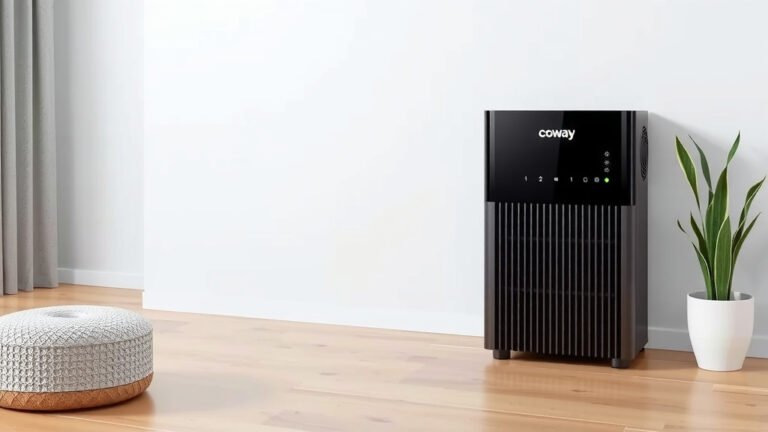
Natural Air Purification: How to Use Charcoal Effectively
You can absolutely use charcoal to purify air in your home. Activated charcoal, in particular, is highly effective at absorbing odors and trapping airborne pollutants. It works through a process called adsorption, where impurities stick to the charcoal’s surface. Think of it as a super-powered sponge for your air.
Many people are looking for natural ways to improve their indoor air quality. Charcoal offers a simple, chemical-free solution for common household smells and stuffiness. We found that it’s a great way to tackle everything from pet odors to cooking smells without adding artificial fragrances. It’s a natural air freshener that actually cleans the air.
- Charcoal can absorb odors and pollutants.
- Activated charcoal is best for air purification.
- It’s a natural and chemical-free method.
- Easy to use in various forms.
Ready to give your home’s air a breath of fresh, clean charcoal-powered goodness? Let’s walk through how you can start using charcoal to purify your air right away.
Making Your Home’s Air Fresher with Charcoal
You can absolutely use charcoal to purify the air in your home. Activated charcoal is a fantastic natural material for this. It’s highly effective at absorbing odors and trapping common airborne pollutants. This process is called adsorption. Impurities stick to the charcoal’s large surface area.
How Activated Charcoal Works Its Magic
Think of activated charcoal like a super-powered sponge for your air. Its structure is incredibly porous. This means it has a massive surface area packed into a small space. When air passes through it, unwanted molecules get caught. They stick to the charcoal instead of floating around.
Adsorption vs. Absorption
It’s important to understand the difference between adsorption and absorption. Absorption is when a substance takes something in, like a sponge soaking up water. Adsorption is when molecules stick to the surface of another substance. Activated charcoal uses adsorption. The pollutants cling to the outside of the charcoal particles.
What Can It Trap?
Activated charcoal is great at trapping volatile organic compounds (VOCs). These can come from cleaning supplies, paints, and furniture. It also captures common odor molecules. This includes smells from pets, cooking, smoke, and mustiness. It can even help with some allergens.
Choosing the Right Type of Charcoal
Not all charcoal is created equal when it comes to air purification. You’ll want to focus on activated charcoal. This is charcoal that has been treated to become more porous. It has a much higher surface area than regular charcoal. This makes it far more effective for trapping impurities.
What is Activated Charcoal?
Activated charcoal is made by heating common charcoal materials. These can include wood, coconut shells, or peat. The heating process creates millions of tiny pores. These pores dramatically increase the surface area. This is what allows it to adsorb so many different types of particles from the air.
Where to Find Activated Charcoal for Air Purification
You can find activated charcoal in several forms for home use. Common options include charcoal bags, filters, and loose granules. Each has its own way of working. We found that bags are very popular for their simplicity. Filters are often part of air purifier systems.
| Form | Best For | Pros | Cons |
|---|---|---|---|
| Charcoal Bags | Small spaces, closets, cars, gym bags | Easy to use, no electricity needed, portable | Slower to work in large areas, needs occasional “recharging” |
| Charcoal Filters | Air purifiers, HVAC systems | Continuous purification, efficient for larger spaces | Requires a system to operate, filter replacement needed |
| Loose Granules | DIY projects, small decorative containers | Versatile, can be placed anywhere | Can be messy if not contained, less efficient than bagged options |
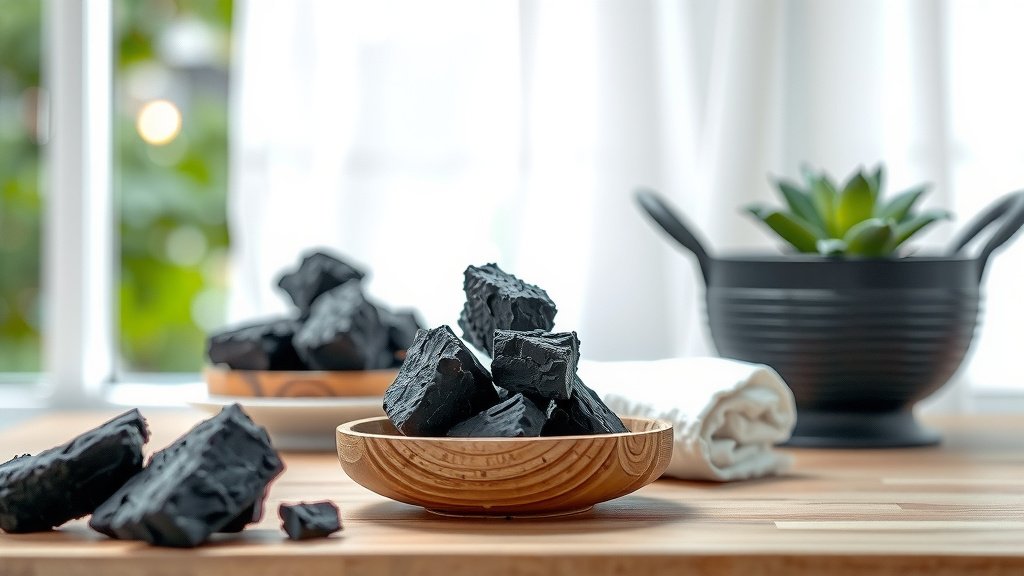
Simple Ways to Use Charcoal for Cleaner Air
Using charcoal to clean your air is surprisingly easy. You don’t need complicated setups. Many options require no electricity at all. You just place them where you need them most. They get to work right away, silently improving your air quality.
Using Charcoal Bags for Odor Control
Charcoal bags are incredibly user-friendly. You can place them in any room. They are excellent for targeting specific problem areas. Think about your closet, bathroom, or even your car. The charcoal inside absorbs odors and moisture.
Placement Tips for Bags
For best results, place charcoal bags in areas with poor air circulation. Corners of rooms or inside closets are good spots. Make sure the bag isn’t blocked by other items. This allows air to flow freely around it.
Recharging Your Charcoal Bags
Most activated charcoal products need to be “recharged.” This means you need to expose them to sunlight. This helps release the trapped moisture and odors. We found that placing the bags in direct sunlight for a few hours once a month works well. Check the product’s instructions for specifics. This simple step extends their lifespan.
Integrating Charcoal into Your Home Decor
Who says air purifiers can’t be stylish? You can find charcoal products that blend in. Some come in attractive linen bags. Others can be placed in small decorative bowls. You can even create your own little air-purifying displays. This makes natural air purification a part of your home’s aesthetic.
Using Charcoal in Specific Areas
Consider high-traffic or odor-prone areas. Your kitchen, especially near the trash can, can benefit. Pet areas are another prime spot. If you have a teenager’s room, you might want to strategically place a bag or two. It’s a discreet way to tackle lingering smells.
A Checklist for Starting with Charcoal Air Purification
Ready to try it out? Here’s a quick checklist:
- Identify problem areas in your home for odors or stuffiness.
- Choose your charcoal product: bags, filters, or loose.
- Place the charcoal where air can circulate freely.
- Remember to recharge your charcoal by sun exposure.
- Observe the difference in your home’s air quality.
Conclusion
You’ve learned how activated charcoal can naturally freshen your home’s air. It works by adsorbing odors and pollutants. Using it is simple, with options like charcoal bags and filters. Remember to place them where air circulates and to recharge them in sunlight. By incorporating charcoal, you take a simple step towards a cleaner, healthier living space. Start by identifying one area in your home that could benefit most and try a charcoal bag there.
Frequently Asked Questions
How often do I need to recharge charcoal air purifiers?
You’ll typically need to recharge your charcoal air purifier by placing it in direct sunlight for a few hours once a month. This process helps release trapped moisture and odors. Always check the specific product instructions, as some may have slightly different recommendations.
Can activated charcoal remove VOCs from the air?
Yes, activated charcoal is very effective at trapping volatile organic compounds (VOCs). These compounds can come from household products like paints and cleaners. The porous nature of activated charcoal allows it to effectively adsorb these airborne chemicals.
Are charcoal bags safe to use around pets and children?
Charcoal bags are generally safe as they don’t use chemicals or emit anything harmful. However, you should keep them out of reach of pets and small children to prevent them from chewing on or ingesting the charcoal. The bags themselves are usually made of durable fabric.
Can I use regular charcoal from my grill to purify air?
No, you should not use regular charcoal briquettes from your grill. These often contain additives that aren’t safe for indoor air. You need specifically activated charcoal, which has been treated to increase its porous surface area for effective purification.
Will charcoal air purifiers eliminate all smells?
Activated charcoal is excellent at reducing common household odors and airborne impurities. While it can significantly improve air quality and tackle many smells, it might not eliminate extremely strong or persistent odors entirely on its own. For tough smells, you might need multiple units or a different purification method.