Natural Air Purification with Essential Oils
Yes, you can absolutely use essential oils to purify your air, and it’s surprisingly simple! By diffusing specific essential oils, you can help reduce airborne bacteria and mold, leaving your home feeling fresher. It’s a natural way to freshen up your living space.
Many people are turning to natural solutions for their homes. Essential oils offer a pleasant aroma while also providing potential air-cleansing benefits. We found that certain oils, like tea tree and eucalyptus, are particularly good at combating airborne microbes. It’s a win-win for a healthier home environment.
- Diffuse clean air with essential oils.
- Choose oils known for antimicrobial properties.
- Use a quality diffuser for best results.
- Always dilute oils properly.
- Ventilate your space regularly.
Ready to try it yourself? Let’s walk through exactly how to use essential oils for cleaner air, so you can start enjoying a fresher home today!
So, you’re curious about using essential oils to make your air cleaner, right? It’s a fantastic way to freshen up your living space naturally. You might be wondering which oils are best or how to even start. Don’t worry, we’ve got you covered. We found that with a little know-how, you can transform your home’s atmosphere.
Harnessing Nature’s Power: Essential Oils for Fresher Air
Using essential oils to purify the air is all about tapping into their natural properties. Many of these plant-derived compounds have been studied for their ability to combat airborne microbes. It’s like bringing a little bit of the outdoors, in its purest form, to your home.
Understanding How Essential Oils Work
Essential oils are highly concentrated plant extracts. They capture the plant’s scent and flavor, or “essence.” When diffused, these tiny molecules are released into the air. We found that some oils contain compounds that can actually disrupt or inhibit the growth of certain bacteria and mold spores.
Antimicrobial Properties in Action
Think of it like this: certain oils have natural defenses. When you diffuse them, they release those defenses into your environment. Research has pointed to specific components within these oils, like phenols and terpenes, as being responsible for these effects (National Center for Complementary and Integrative Health).
Beyond Just Smelling Nice
While a pleasant aroma is a definite perk, the air-purifying aspect is what we’re focusing on. It’s more than just masking odors; it’s about helping to improve the air quality you breathe. We found that regular use can contribute to a noticeable difference.
Choosing the Right Essential Oils for Air Purification
Not all essential oils are created equal when it comes to air purification. Some are fantastic for relaxation, while others have potent cleansing properties. You want to pick oils that are known for their antimicrobial and antifungal capabilities. We found that certain categories of oils are consistently recommended.
Top Essential Oils for Cleaner Air
When we looked into it, several oils stood out. These are the workhorses of natural air purification. You’ll want to have these on hand for a fresh-smelling and cleaner-feeling home.
- Tea Tree Oil: This is a powerhouse. It’s widely recognized for its strong antibacterial and antifungal properties. Many experts suggest it for combating mold and mildew (Cleveland Clinic).
- Eucalyptus Oil: Known for its invigorating scent, eucalyptus also contains compounds that can help clear the air. It’s great for that “clean” smell.
- Lemon Oil: Derived from lemon peels, this bright oil is a fantastic natural disinfectant. It’s known to help break down airborne pathogens.
- Peppermint Oil: With its refreshing aroma, peppermint is also effective at killing certain bacteria and mold spores.
- Cinnamon Oil: This warming oil has potent antimicrobial and antifungal qualities. Use it sparingly, as it can be quite strong.
- Oregano Oil: Don’t let the culinary association fool you! Oregano oil is incredibly potent and has some of the strongest antimicrobial properties of all essential oils. It should be used with caution and well diluted.
A Quick Comparison of Popular Air-Purifying Oils
To help you decide, here’s a handy table. It highlights the key benefits of some of the most popular choices for air purification.
| Essential Oil | Primary Benefits for Air Quality | Notes |
|---|---|---|
| Tea Tree | Antibacterial, Antifungal, Antiviral | Strong scent; use in well-ventilated areas. |
| Eucalyptus | Antimicrobial, Decongestant properties | Can be invigorating; avoid with young children without expert advice. |
| Lemon | Disinfectant, Antibacterial, Mood-lifting | Phototoxic; avoid direct sun exposure after topical use (though diffusion is safe). |
| Peppermint | Antibacterial, Antiviral, Freshening | Can be intense; good for clearing stuffy rooms. |
| Cinnamon | Antimicrobial, Antifungal | Use sparingly; can be irritating if not diluted. |
How to Diffuse Essential Oils Safely and Effectively
Using a diffuser is the most common and effective way to get essential oils into your air. But how do you do it right? We found that a few simple steps can make a big difference in both safety and results.
Selecting the Right Diffuser for Your Needs
There are a few types of diffusers out there. The most popular for home use is the ultrasonic diffuser. It uses water and ultrasonic vibrations to create a fine mist of essential oil and water. This method also adds a bit of humidity to your air, which can be nice.
Ultrasonic Diffusers Explained
These are great because they don’t use heat, which can sometimes damage the delicate compounds in essential oils. You simply fill the reservoir with water, add a few drops of your chosen oil, and turn it on. We found that they are easy to use and maintain.
Other Diffuser Options
There are also nebulizing diffusers, which use pressurized air to atomize the oil without water. These provide a more concentrated aroma but can use up oil faster. Evaporative diffusers use a fan to blow air through a pad soaked in oil. For air purification, ultrasonic and nebulizing are generally preferred.
The Art of Dilution: Finding the Right Balance
This is super important. Essential oils are potent. You don’t need a lot to get the benefits, and using too much can be overwhelming or even cause irritation. We found that for diffusion, less is often more.
How Many Drops Are Enough?
For a standard-sized room and an ultrasonic diffuser, start with 3-5 drops of essential oil. You can always add another drop or two if needed, but it’s better to start low. If you’re using a nebulizing diffuser, you might use fewer drops as it’s more concentrated.
Water-to-Oil Ratio Matters
Always follow your diffuser’s instructions. For ultrasonic diffusers, this typically means filling the water reservoir to the indicated line and then adding your essential oils. Never add oil directly to a dry diffuser. Many guidelines suggest a ratio of about 1-2% dilution for general diffusion (National Association for Holistic Aromatherapy).
Creating Your Air-Purifying Blends
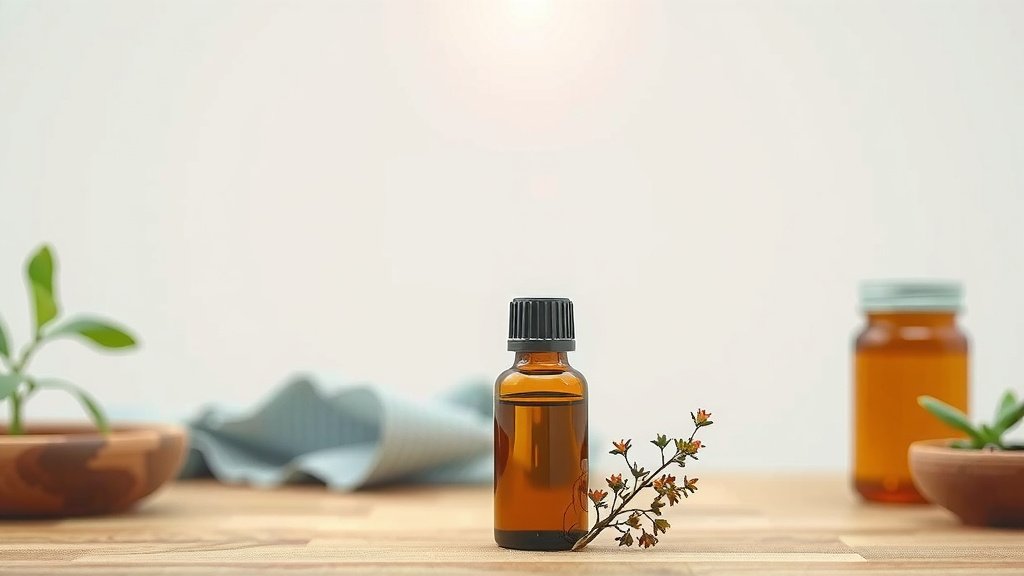
Why stick to just one oil? Blending can create a more complex and pleasant aroma while also layering their purifying benefits. Think of it like a carefully crafted perfume, but for your air!
Simple Blend Ideas
Here are a few combinations we found that work wonderfully:
- “Fresh & Clean”: 2 drops Tea Tree + 2 drops Lemon
- “Invigorating Boost”: 2 drops Eucalyptus + 2 drops Peppermint
- “Spiced Air”: 1 drop Cinnamon + 2 drops Orange (for a sweeter note)
- “Germ Buster”: 1 drop Oregano + 2 drops Lemon + 1 drop Eucalyptus (use Oregano sparingly!)
Remember to always start with fewer drops when trying a new blend. You can always add more.
Important Considerations for Safe Use
While essential oils offer wonderful benefits, it’s wise to be mindful. Your safety and the well-being of everyone in your home are top priorities. We found that a few precautions go a long way.
Ventilation is Key
Even with air-purifying oils, good ventilation is crucial. Diffuse in well-ventilated areas. If you’re diffusing for extended periods, open a window periodically. This helps ensure fresh air circulation.
Pets and Children
Always research essential oil safety regarding pets and children. Some oils can be toxic to animals, even when diffused. For children, especially infants and toddlers, use oils with extreme caution and consult with a pediatrician or certified aromatherapist. Many guidelines recommend avoiding certain oils altogether for these sensitive groups (ASPCA Animal Poison Control).
Quality Matters
When purchasing essential oils, opt for 100% pure, therapeutic-grade oils from reputable brands. Avoid “fragrance oils” or oils that are adulterated, as they won’t offer the same benefits and could be harmful.
Ready to breathe a little easier? You’ve learned about the oils, how to use a diffuser, and how to stay safe. Now you can start creating your own naturally fresher, cleaner-smelling home environment!
Conclusion
You’ve now learned how to harness the power of essential oils for a fresher, cleaner home environment. We’ve covered which oils work best, how to safely use your diffuser, and the importance of dilution. Remember to always choose quality oils and be mindful of your family and pets. Start with simple blends and enjoy the natural benefits. Your journey to a naturally purified space begins with these simple steps. Go ahead and create that healthier atmosphere you deserve!
Frequently Asked Questions
Can I use any essential oil for air purification?
No, it’s best to choose oils known for their antimicrobial and antifungal properties, like tea tree, eucalyptus, and lemon. Some oils are better suited for relaxation or other uses. Always research an oil’s specific benefits before diffusing it for air purification.
How often should I diffuse essential oils for air purification?
For most ultrasonic diffusers, diffusing for 30-60 minutes at a time is effective. You can repeat this several times a day, but always ensure your space is well-ventilated between diffusion sessions. Listen to your body and ensure the aroma isn’t overwhelming.
Is it safe to diffuse essential oils around my pets?
You must exercise caution. Many essential oils can be harmful to pets, especially cats and dogs. Always research specific oil safety for your pets and ensure they have a way to leave the room if they feel uncomfortable. Consult your veterinarian if you have concerns.
Can essential oils really get rid of odors, or just mask them?
While some oils offer a pleasant scent that can mask odors, many also possess properties that help neutralize or break down odor-causing compounds. Oils like lemon and tea tree are known for their cleansing abilities, going beyond just covering up smells.
What’s the difference between a therapeutic-grade oil and a fragrance oil for diffusion?
Therapeutic-grade essential oils are 100% pure plant extracts and retain their natural beneficial compounds. Fragrance oils are often synthetic and do not offer the same air-purifying or therapeutic benefits, and can sometimes contain unknown chemicals.