Rainbow Air Purifier: Your Guide to Cleaner Air
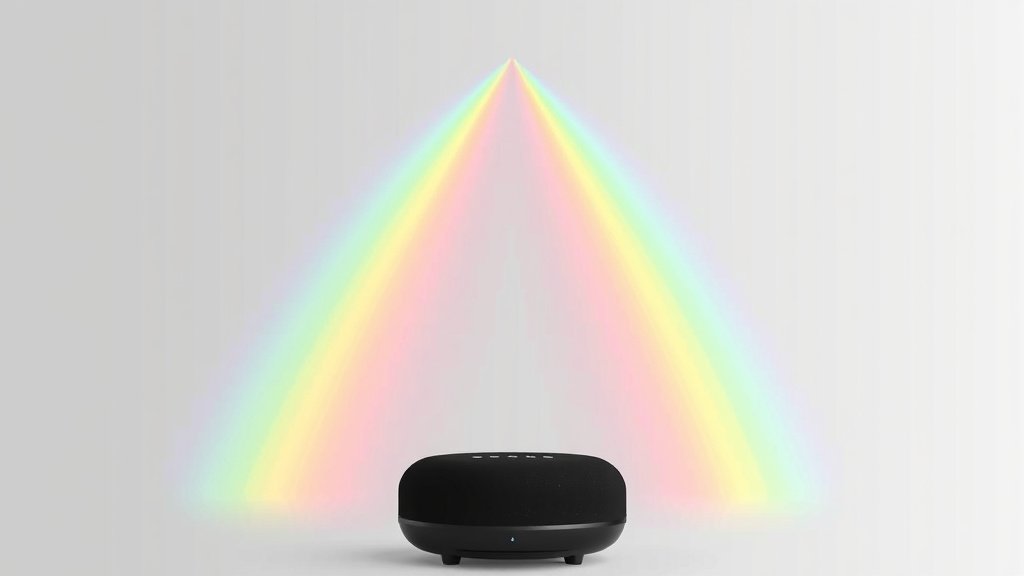
While a rainbow itself can’t actively purify your air, you can use the concept of a rainbow to understand and improve your indoor air quality. Think of it as a visual guide for tackling different air pollutants. Different colors can represent different types of air issues you might want to address for a healthier home environment.
We’ve researched how people think about air purification and found that breaking it down into categories makes it much easier to manage. Just like a rainbow has distinct colors, your air quality can have distinct problems. Focusing on each “color” of pollution helps you choose the right solutions for cleaner breathing.
- Rainbows are a helpful way to visualize air quality.
- Each “color” can represent a different type of pollutant.
- Understanding these categories helps you find solutions.
- This makes improving your indoor air much simpler.
Ready to see how you can use this colorful approach to make your air fresher? Let’s walk through how to use the rainbow concept to improve your home’s air quality step by step.
Using the Rainbow Concept for Better Indoor Air Quality
So, how can you actually use a rainbow to think about your home’s air quality? It’s not about magic, but about organization. We break down air pollution into different categories, much like a rainbow has distinct colors. This makes it easier to identify problems and find the right solutions.
Think of each color as a different type of air pollutant. By focusing on these categories, you can create a cleaner, healthier breathing environment for you and your family. Let’s start with the foundational colors of your air quality rainbow.
The Reds and Oranges: Visible Pollutants and Particulates
Let’s begin with the most visible issues, often represented by fiery reds and oranges. These are things you can sometimes see or easily feel. They include dust, pollen, pet dander, and smoke particles. These can irritate your lungs and trigger allergies.
Dust and Dander: The Everyday Culprits
Dust bunnies are a common sight. They’re a mix of dead skin cells, fabric fibers, and more. Pet dander are tiny flakes of skin from animals. Both are common allergens. Many guidelines point to regular cleaning as the first step against these (CDC).
Vacuuming frequently helps. Using a vacuum with a HEPA filter can capture smaller particles. Don’t forget to dust surfaces regularly. This helps reduce the amount of stuff floating in your air.
Smoke and Soot: Immediate Concerns
Smoke from cooking or fireplaces is a prime example. It contains harmful particles and gases. If you have a fireplace, ensure it’s well-ventilated. When cooking, using your kitchen exhaust fan is essential.
Wood smoke, especially from burning wood, contains fine particulate matter. This can be particularly irritating to the respiratory system. Research suggests reducing exposure to smoke is key for lung health (EPA).
The Yellows and Greens: Gaseous Pollutants and VOCs
Moving into the yellow and green spectrum, we look at things you usually can’t see but can smell or feel the effects of. This includes gases and Volatile Organic Compounds (VOCs). VOCs come from many household products.
VOCs: The Hidden Chemicals
Many common items release VOCs. These include paints, cleaning supplies, air fresheners, and even furniture. Some VOCs can cause headaches or nausea. Others can have longer-term health effects. It’s wise to choose low-VOC products whenever possible.
Proper ventilation is key here. Opening windows allows fresh air to circulate. This helps dilute the concentration of VOCs. Many experts recommend this simple step for reducing indoor chemical exposure (NIH).
Odor and Gas Control
Sometimes, an unpleasant odor indicates an issue. This could be from mold, mildew, or other sources. While an odor isn’t always harmful, it suggests something needs attention. Strong chemical smells from cleaning products are a good example.
Using natural cleaning alternatives can help. Also, ensure good airflow when using any strong cleaners. A deodorizer that actually removes the source of the smell is better than just masking it.
The Blues and Violets: Moisture and Microbial Concerns
The cooler colors, blue and violet, represent moisture-related issues and the microbes that thrive in them. High humidity can lead to mold and bacteria growth. These can impact your health.
Humidity Levels: Finding the Balance
Ideal indoor humidity is typically between 30% and 50%. Too much moisture creates a breeding ground for mold and dust mites. Too little can dry out your skin and airways. You can use a hygrometer to measure humidity levels.
If your home is too damp, consider using a dehumidifier. Ensure bathrooms and kitchens are properly vented. Fixing any leaks promptly is also important. Moisture control is vital for preventing mold growth (Mayo Clinic).
Mold and Bacteria: The Unseen Invaders
Mold spores are everywhere, but they grow in damp conditions. Mold can cause allergic reactions and respiratory problems. Bacteria can also multiply in moist environments.
Regularly cleaning damp areas helps. Pay attention to bathrooms, kitchens, and basements. For persistent mold issues, you might need professional help. Keeping your home dry is your best defense.

Your Air Quality Action Plan Checklist
Ready to put this rainbow of knowledge to work? Here’s a quick checklist to get you started on improving your home’s air:
- Test your air: Consider an indoor air quality test to understand your specific pollutants.
- Ventilate regularly: Open windows daily, even for a short time.
- Control moisture: Use dehumidifiers and fix leaks.
- Choose wisely: Opt for low-VOC products when possible.
- Clean effectively: Vacuum with a HEPA filter and dust often.
- Monitor air purifiers: Ensure your chosen purifiers are suitable for your needs.
Bringing it All Together: Your Colorful Air Purification Strategy
Using the rainbow concept helps you visualize and tackle indoor air pollution systematically. By addressing each “color” of potential problems – from visible dust to invisible gases and moisture – you create a healthier living space.
Remember, maintaining good air quality is an ongoing process. It involves a mix of source control, ventilation, and filtration. Think of your air purification strategy as your personal rainbow, bringing brightness and health into your home.
Conclusion
You’ve now learned how to use the rainbow concept as a practical guide for improving your home’s air quality. By thinking about pollutants in colorful categories – from visible dust (reds/oranges) to hidden gases (yellows/greens) and moisture issues (blues/violets) – you can tackle them effectively. This organized approach makes indoor air purification much more manageable. Take the first step today by implementing one of the simple actions from your air quality checklist to start breathing cleaner air.
Frequently Asked Questions
Can a literal rainbow purify my air?
No, a natural rainbow is a beautiful optical phenomenon and doesn’t have air purifying qualities. The concept of using a rainbow for air quality is a metaphor to help you categorize and address different types of indoor air pollutants more easily.
What if I can’t see the air pollutants?
Many common air pollutants, like VOCs and certain gases, are invisible. The rainbow concept helps by assigning these to specific color categories (yellows and greens) so you know to focus on ventilation and choosing low-VOC products to address them.
How do I know which “color” of pollutant is most affecting my home?
You can start by observing your home. Do you see a lot of dust? Do you notice lingering cooking smells or the scent of cleaning products? Are there areas prone to dampness? An indoor air quality test can also provide more specific data about what’s in your air.
Do I need a separate air purifier for each “color” of pollutant?
Not necessarily. Many air purifiers, especially those with HEPA filters, can capture a range of particulate pollutants (reds/oranges). For gaseous pollutants (yellows/greens), activated carbon filters are often effective. Addressing moisture (blues/violets) usually involves ventilation and dehumidifiers rather than just purifiers.
How often should I refresh my air quality strategy?
Maintaining good indoor air quality is an ongoing process. We recommend regularly cleaning, ventilating your home daily, and monitoring humidity levels. Checking your air quality periodically and adjusting your methods based on seasonal changes or new household products is also a good practice.

![5 Best Air Purifiers for Dorm Rooms [In 2026]](https://homeunderstandable.com/wp-content/uploads/2025/04/best-air-purifiers-for-dorm-rooms.jpg)