
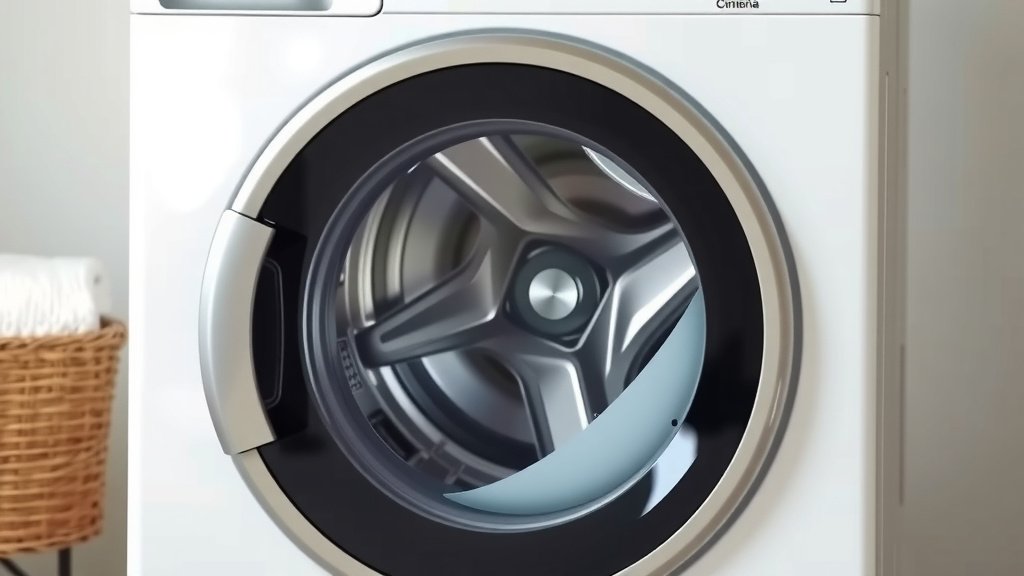
How to Clean Your Front Load Washing Machine
The easiest way to clean your front-load washing machine is by running an empty hot water cycle with a cleaner. You can use special washing machine cleaner or a cup of white vinegar. This simple process helps remove soap scum and mildew. It keeps your machine running smoothly.
Front-loaders are wonderful appliances. But, they can sometimes develop unpleasant odors. This often happens due to moisture trapped in the door seal and drum. Regular cleaning prevents this and ensures your clothes come out smelling fresh. Many experts suggest doing this monthly.
- Run an empty hot cycle.
- Use a cleaner like vinegar or specialized product.
- Wipe down the rubber seal.
- Clean the detergent dispenser.
- Leave the door ajar between uses.
Ready to give your washing machine some love? Let’s walk through exactly how to get it sparkling clean, step by step.
Keeping Your Front-Load Washer Fresh and Clean
A clean washing machine is key to clean clothes. Your front-loader is a workhorse. It deserves a little TLC. We’ll show you how to make sure it stays free of gunk and odors. This helps your laundry smell amazing.
Why Regular Cleaning Matters for Your Front-Loader
Front-load washers are efficient. They use less water and energy. But, their design can trap moisture. This creates a breeding ground for mold and mildew. You might notice a musty smell. This isn’t just about aesthetics. It can transfer odors to your clothes. Keeping it clean ensures it works its best. Many experts recommend a monthly clean.
The Role of Moisture and Mildew
The door seal is a prime culprit. It holds onto water after each cycle. This dampness can lead to mildew growth. You might see black spots. The interior drum can also accumulate residue. This residue is often from detergent and fabric softener. Over time, it builds up. It can then start to smell.
Preventing Odors Before They Start
The best defense is a good offense. Leaving the door slightly ajar after use is helpful. This allows air to circulate. It helps the drum and seal dry out. You can also wipe down the rubber door seal. Just use a dry cloth. This simple habit can prevent many odor issues.
Step-by-Step Guide to Cleaning Your Washing Machine Drum
Ready to get started? You have a couple of options for cleaning the drum. Both are simple and effective.
Option 1: Using White Vinegar
White vinegar is a natural cleaner. It’s great at breaking down soap scum. It also helps to kill mold and mildew. Plus, most people already have it in their pantry. It’s an economical choice.
The Vinegar Cleaning Cycle
First, make sure the machine is empty. No clothes inside! Pour about two cups of white vinegar directly into the detergent dispenser. Then, run your washing machine on its hottest water setting. Select the longest cycle available. This hot water and vinegar combination will scour the inside. It will tackle any buildup. Let the cycle complete fully.
Option 2: Using a Specialized Washing Machine Cleaner
There are many commercial cleaners designed specifically for washing machines. These are often very effective. They are formulated to tackle tough grime. You can find them at most grocery stores or online. Always follow the package directions for the specific product you choose.
Using Commercial Cleaners
Similar to vinegar, you’ll run an empty hot cycle. Most cleaners come in tablets or powders. Some are liquids. You’ll usually add the cleaner directly to the drum. Or, you might put it in the dispenser. Check the product’s instructions. Then, select the hottest, longest cycle. Run the machine until it’s finished. This process will leave your drum sparkling.
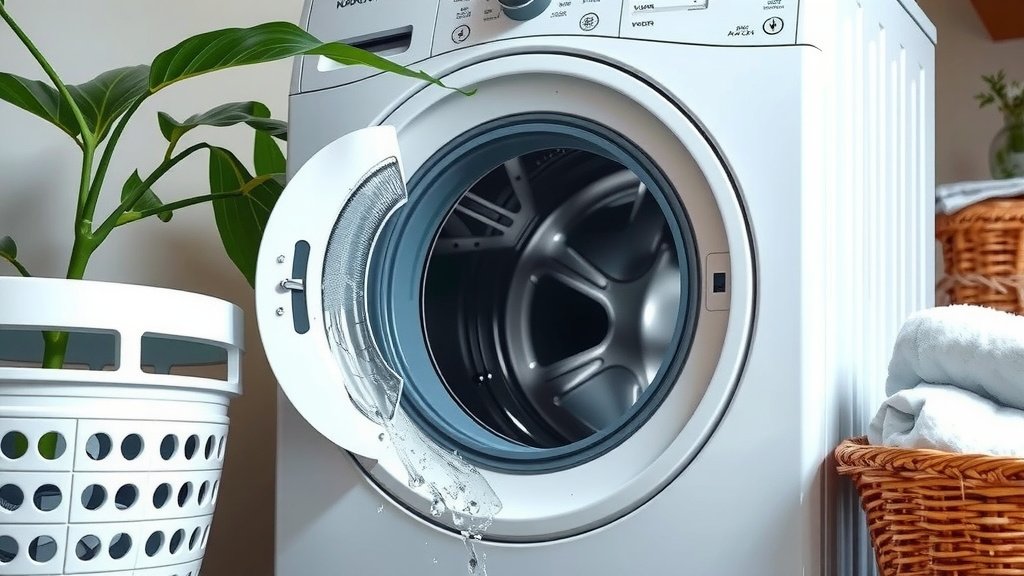
Don’t Forget the Details: Cleaning the Gasket and Dispenser
The drum isn’t the only place grime can hide. You need to address the smaller parts too.
Cleaning the Rubber Door Seal (Gasket)
This is where mold loves to hang out. You’ll need a clean cloth or sponge. A mild soap and water solution works well. Or, you can use a solution of equal parts water and white vinegar. Gently pull back the rubber seal. Wipe away any visible mold, mildew, or gunk. Pay close attention to the folds. Rinse your cloth frequently. Make sure to dry it thoroughly afterward.
Cleaning the Detergent Dispenser Drawer
Detergent and softener can leave sticky residue. This can clog the dispenser. You might need to remove the drawer. Most dispensers pull out easily. Sometimes there’s a small clip or latch to release it. Once removed, soak it in warm, soapy water. Use an old toothbrush to scrub away any buildup. Rinse it well. Dry it completely before putting it back. This is a simple step that prevents drainage issues.
A Quick Checklist for a Fresh Front-Loader
Here’s a handy checklist to keep your machine in top shape:
- Run a hot, empty cycle monthly with vinegar or cleaner.
- Wipe down the rubber door seal after each wash.
- Leave the door slightly open between uses.
- Clean the detergent dispenser regularly.
- Check the drain filter for lint (if accessible).
By incorporating these simple steps into your routine, you’ll enjoy fresher laundry and a longer-lasting washing machine. You can trust that your clothes are getting truly clean!
Conclusion
You’ve learned how simple it is to keep your front-load washing machine clean and odor-free. Regular maintenance, like running a hot cycle with vinegar or a specialized cleaner, makes a big difference. Don’t forget to wipe down that rubber seal and clean out the dispenser drawer. Your clothes will come out smelling fresher, and your machine will last longer. Make cleaning your washer a monthly habit. Your laundry room will thank you!
Frequently Asked Questions
How often should I really be cleaning my washing machine?
Most experts recommend cleaning your front-load washing machine once a month. This frequency helps prevent the buildup of soap scum, mildew, and odors that can develop over time. It ensures your machine operates efficiently.
Can I use bleach to clean my washing machine?
While bleach is a disinfectant, it’s generally not recommended for regular washing machine cleaning. Vinegar or specialized cleaners are often preferred because they are better at breaking down soap scum and mildew without potentially damaging rubber seals over time. Always check your machine’s manual for specific recommendations.
Why does my front-loader smell even after washing clothes?
That musty smell often comes from moisture trapped in the door seal and drum. Detergent residue can also contribute. Wiping down the seal after each use and leaving the door ajar helps tremendously. Running a monthly cleaning cycle also tackles these lingering odors.
What should I do if I see black mold in the rubber seal?
If you spot black mold, you’ll need to clean the seal more thoroughly. Use a cloth or sponge with a mild soap and water solution, or a 1:1 water and vinegar mix. Gently pull back the seal to clean all folds. Make sure to dry the seal completely afterward.
Is it okay to leave the washing machine door closed when not in use?
It’s best to leave the door slightly ajar between washes. This allows air to circulate inside the drum and the seal. This helps them dry out more effectively, which is key to preventing mold and mildew growth and keeping odors at bay.

![7 Best Washing Machine For Condo [In 2026]](https://homeunderstandable.com/wp-content/uploads/2026/08/7-best-washing-machine-for-condo-in-2026-featured-768x432.jpg)
![7 Best Small Stackable Washer And Dryer [In 2026]](https://homeunderstandable.com/wp-content/uploads/2026/09/7-best-small-stackable-washer-and-dryer-in-2026-featured-768x432.jpg)