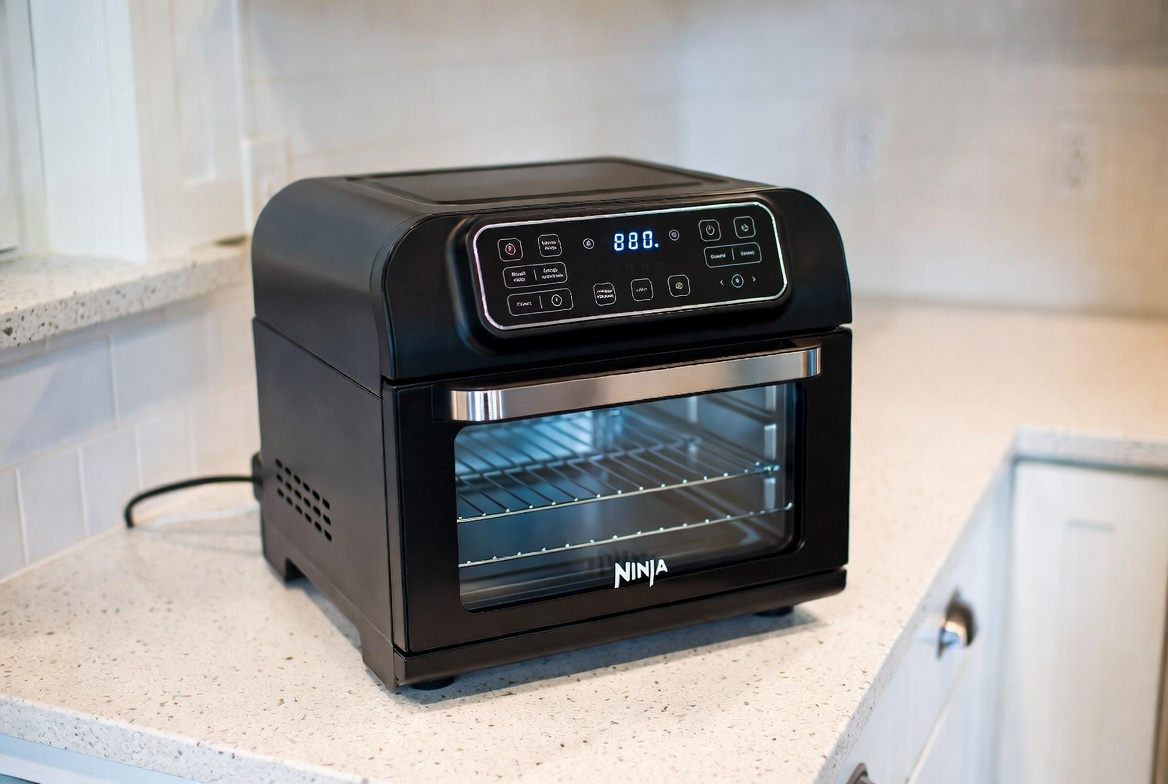
Ninja 4-Quart Air Fryer AF100 vs AF101: Which One Wins?
If you’re standing in the kitchen appliance aisle—or scrolling through your favorite online retailer—trying to decide between the Ninja AF100 and AF101 air fryers, you’re not alone. These two models have created quite a buzz in the air frying community, and honestly, choosing between them isn’t as straightforward as flipping a coin. Both promise crispy, delicious results with less oil and minimal cleanup, but they each bring their own strengths to the table. Let me walk you through everything you need to know to make the right choice for your kitchen.
Understanding the Ninja Air Fryer Landscape
When Ninja released the AF100 and AF101, they weren’t just throwing darts at a board and hoping for the best. These models represent years of refinement in air frying technology. Think of them as siblings who share the same DNA but have developed their own personalities. The AF100 came first, establishing what many consider the gold standard for 4-quart air fryers. Then along came the AF101, which took everything that worked about the AF100 and asked, “How can we make this even better?”
The beauty of having two solid options is that you’re not choosing between good and bad—you’re choosing between two approaches to the same goal: cooking food faster, healthier, and with incredible flavor.
Design and Physical Specifications
The AF100: Classic Ninja Aesthetic
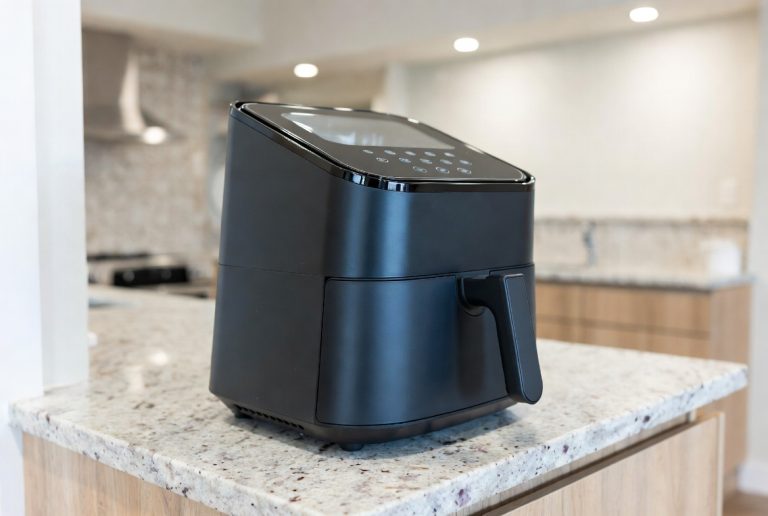
The AF100 features a sleek, modern design that doesn’t scream “air fryer” if you’re sensitive about kitchen aesthetics. It’s got clean lines, a dark finish that hides fingerprints better than you’d expect, and a footprint that doesn’t commandeer your entire countertop. The heating element is positioned at the top, and the basket slides in and out with a satisfying click.
In terms of dimensions, we’re looking at approximately 9.5 by 12 by 11 inches. It’s compact enough to store in a cabinet if needed, yet substantial enough that you know you’re getting a real cooking appliance, not some gimmicky gadget.
The AF101: Evolution in Design
The AF101 builds on the AF100’s foundation but introduces some subtle refinements. It maintains a similar footprint—almost identical, actually—but with slightly improved ergonomics. The basket handle is more comfortable, the display is more intuitive, and the overall feel suggests that Ninja listened to user feedback and made strategic improvements.
Both models share that premium feel that separates Ninja from budget competitors. They don’t feel plasticky or cheap, which is refreshing when you’re investing in kitchen equipment.
Capacity: How Much Can You Actually Cook?
Here’s where things get interesting. Both the AF100 and AF101 advertise a 4-quart capacity, but let’s talk about what that actually means in practical terms.
The AF100’s Real-World Capacity
The AF100 can genuinely handle about 3 pounds of food at once, which is impressive. Want to cook a whole chicken? You’ve got room. Planning to make homemade French fries for a family dinner? This basket will handle it. However—and this is important—you shouldn’t pack it completely full if you want optimal air circulation. The sweet spot is about 75 to 80 percent capacity, which is where you get that coveted crispiness.
The AF101’s Capacity Advantage
The AF101 uses the same 4-quart measurement, but clever engineering in the basket design means you can actually fit slightly more food without sacrificing air circulation. It’s not a dramatic difference—we’re talking maybe an extra handful of fries or an additional drumstick—but in the real world, those small advantages add up, especially if you’re cooking for larger families or meal prepping.
Temperature Control and Heating Performance
AF100 Temperature Range
The AF100 heats from 105 degrees Fahrenheit up to 400 degrees, which covers virtually every cooking scenario you’ll encounter. Want to reheat something gently? You’ve got that. Need to achieve a deep golden crust? You’re covered. The heating element responds quickly—we’re talking about preheating to 400 degrees in roughly three minutes—which means less waiting around and more actual cooking time.
AF101 Temperature Range
Here’s where the AF101 makes a meaningful difference. It reaches up to 450 degrees Fahrenheit. Now, you might think, “What’s 50 degrees between friends?” But in air frying, that extra heat allows you to achieve different texture profiles and cook certain foods faster. For instance, that extra heat means you can get chicken wings even crispier or achieve a more dramatic sear on a steak.
Additionally, the AF101’s heating element distributes temperature more evenly throughout the cooking chamber, reducing hot spots where some foods cook faster than others. This is the kind of refinement that separates amateur air frying from professional-level results.
User Interface and Control Systems
The AF100’s Interface: Simple and Reliable
The AF100 uses a traditional button-and-dial interface. You’ve got a simple display showing time and temperature, and physical buttons for adjusting both. It’s intuitive in the way that old-school appliances are intuitive—you don’t need to consult the manual because the logic is straightforward. You set the temperature, set the time, press start, and you’re on your way.
Some people absolutely love this approach because there’s no learning curve and fewer things that can go wrong digitally.
The AF101’s Smart Interface
The AF101 upgraded to a digital touchscreen interface with preset cooking programs. Instead of guessing how long chicken should cook, you can select “chicken” and the unit automatically sets the optimal temperature and time. There are preset buttons for common items like frozen fries, wings, steak, shrimp, and more.
Is this necessary? Not exactly. But is it convenient? Absolutely. For people who value speed and simplicity, these presets are genuinely helpful. That said, if you’re someone who likes full control and doesn’t trust preset settings, the AF100’s manual approach might actually feel more comfortable.
Cooking Functions and Versatility
AF100 Cooking Modes
The AF100 focuses on pure air frying functionality. It does one thing and does it exceptionally well. You’re air frying, period. No convection settings, no dehydrating, no extra complications. This simplicity is actually a strength if you want an appliance that does its core function brilliantly without unnecessary features.
AF101 Expanded Functions
The AF101 brings more versatility to the table with multiple cooking functions including air fry, roast, bake, reheat, and dehydrate. Want to make beef jerky or dried herbs? The dehydrate function has you covered. Need to reheat pizza without making it soggy? The dedicated reheat setting handles it perfectly.
For someone who wants one appliance that handles various cooking tasks, the AF101’s expanded functionality is genuinely valuable. However, if you just want to air fry and nothing else, you’re paying for features you won’t use with the AF101.
Energy Efficiency and Power Consumption
Let’s talk about what these machines cost to run. The AF100 operates at 1500 watts, which is pretty standard for air fryers in this size category. The AF101, despite offering more features and higher temperatures, actually operates at a similar wattage—also around 1500 watts—which is impressive engineering.
Both units heat up quickly, which means less energy wasted on preheating. In terms of electricity costs, we’re talking about pennies per use. Even if you air fry four times per week, you’re probably adding less than a dollar to your monthly electricity bill. So unless you’re in an area with exceptionally high electric rates, energy consumption shouldn’t be a deciding factor between these two.
Build Quality and Durability Assessment
AF100 Construction
The AF100 uses a combination of stainless steel and high-grade plastic. The heating element is enclosed in a stainless steel housing that resists corrosion and wear. The basket has a non-stick coating that holds up remarkably well—after hundreds of uses, people report their AF100 baskets still work like new.
Ninja’s quality control on the AF100 is generally excellent. You’ll find some occasional complaints about specific units, but the defect rate appears low across the board.
AF101 Build Quality
The AF101 uses similar materials but with refinements in how they’re assembled. The basket coating is supposedly more durable, and the overall construction feels slightly more robust. The control panel, being digital, adds a potential failure point that the AF100 doesn’t have, but Ninja’s track record with digital interfaces is solid.
Both units should easily last five to seven years with normal use. Some owners report having their air fryers for longer, which speaks to the engineering quality that Ninja brings to these products.
Noise Levels: How Loud Are We Talking?
Nobody wants a kitchen appliance that sounds like a jet engine. The AF100 operates at approximately 75 decibels during cooking, which is roughly equivalent to normal conversation volume. It’s noticeable but not obnoxious.
The AF101 improved on this slightly, running at about 72-73 decibels thanks to better fan design and acoustic dampening. It’s a subtle difference—not something that’ll dramatically change your life—but it does contribute to a more pleasant cooking experience, especially if you’re cooking early in the morning or late at night.
Cleaning and Maintenance: The Hassle Factor
AF100 Cleaning Process
The basket and pan are non-stick and dishwasher safe, which is wonderful news. You can throw them in your dishwasher and forget about them. Hand washing with warm soapy water also works perfectly. The interior chamber occasionally needs a wipe-down, especially after cooking particularly greasy foods, but overall, cleanup is genuinely easy—one of the biggest advantages of air frying over traditional deep frying.
AF101 Cleaning Advantages
The AF101’s basket design makes cleanup slightly easier thanks to improved non-stick coating and a basket design that allows grease and crumbs to slide off more readily. Both units offer the same dishwasher-safe convenience, so there’s no dramatic difference here, but the AF101 edges ahead marginally.
Pro tip for both models: wipe the interior after every few uses to prevent buildup, and you’ll keep your air fryer in pristine condition.
Price Comparison and Value for Money
This is where the rubber meets the road for many buyers. The AF100 typically retails for around $99 to $129, making it an accessible entry point into quality air frying. You’re getting a genuinely excellent appliance at a price that won’t make you question your life choices.
The AF101 usually costs between $149 and $179, so you’re looking at a $40 to $60 premium. That extra investment gets you higher temperature capacity, more cooking functions, digital presets, and slightly better overall refinements.
Is the AF101 worth the extra cost? That depends on whether those additional features align with how you actually want to cook. If you’ll use the higher temperature and extra functions, absolutely yes. If you just want to air fry in the most straightforward way possible, the AF100 delivers excellent value.
Real-World Performance: What Actual Users Say
AF100 User Feedback
People consistently praise the AF100 for its reliability and cooking consistency. Reviewers report that chicken comes out perfectly every time, frozen fries achieve that ideal golden-brown exterior with fluffy interiors, and the learning curve is essentially non-existent. Common complaints are relatively minor—some wish it had a timer that went longer than 60 minutes, and others wanted higher temperatures, but these are nitpicks rather than dealbreakers.
AF101 User Experiences
AF101 owners express similar satisfaction with the core air frying performance, but they particularly appreciate the preset functions. The convenience of selecting “chicken wings” and having optimal settings automatically apply resonates with busy people. The higher temperature capacity appeals to those who’ve experimented and found they want that extra heat.
The digital interface receives mixed reviews—some love it, others find it unnecessary—but no one reports it being problematic or unreliable.
Warranty and Customer Support Comparison
Both the AF100 and AF101 come with a one-year limited warranty from Ninja, which covers defects in materials and workmanship. Ninja’s customer service reputation is excellent—they’re responsive and willing to replace defective units without excessive hassle.
Neither model offers an extended warranty option, so you’re covered equally in that regard. If you’re purchasing from a retailer like Amazon or Best Buy, check their return policies, as many offer extended return windows that can provide additional protection.
The Verdict: Which Model Should You Choose?
Choose the AF100 If:
- You want the best value for your money
- You prefer simple, straightforward controls without digital interfaces
- You only care about air frying and don’t need additional cooking functions
- You have a tight budget but refuse to compromise on quality
- You appreciate that older, proven design philosophy
- You want an appliance that’s practically foolproof
Choose the AF101 If:
- You want the latest improvements and refinements
- You appreciate preset cooking programs and convenience features
- You’d like access to the higher 450-degree temperature range
- You want versatility with multiple cooking modes
- You have a slightly larger budget and want the most feature-rich option
- You value the quieter operation and ergonomic improvements
Conclusion
Choosing between the Ninja AF100 and AF101 ultimately comes down to your personal priorities and cooking style. Both are genuinely excellent 4-quart air fryers that will transform how you cook at home. The AF100 is a proven champion that does everything most people could want from an air fryer, with exceptional value and simplicity. The AF101 builds on that foundation with modern conveniences, expanded functionality, and refined engineering.
If you’re the type who loves gadgets and appreciates every extra feature, the AF101’s higher temperature capacity, digital presets, and additional cooking modes justify the extra investment.
![What Is The Best Bang for Buck Air Fryer [In 2026]](https://homeunderstandable.com/wp-content/uploads/2026/03/Best-Bang-for-Buck-Air-Fryer-768x516.jpg)
![5 Best Air Fryer for Bodybuilders [In 2026]](https://homeunderstandable.com/wp-content/uploads/2026/03/5-Best-Air-Fryer-for-Bodybuilders.jpg)
![5 Best Air Fryer for Crispy Food [In 2026]](https://homeunderstandable.com/wp-content/uploads/2026/03/5-Best-Air-Fryer-for-Crispy-Food-768x516.jpg)
![What Is The Best Air Fryer for Seafood [In 2026]](https://homeunderstandable.com/wp-content/uploads/2026/03/Best-Air-Fryer-for-Seafood-768x516.jpg)