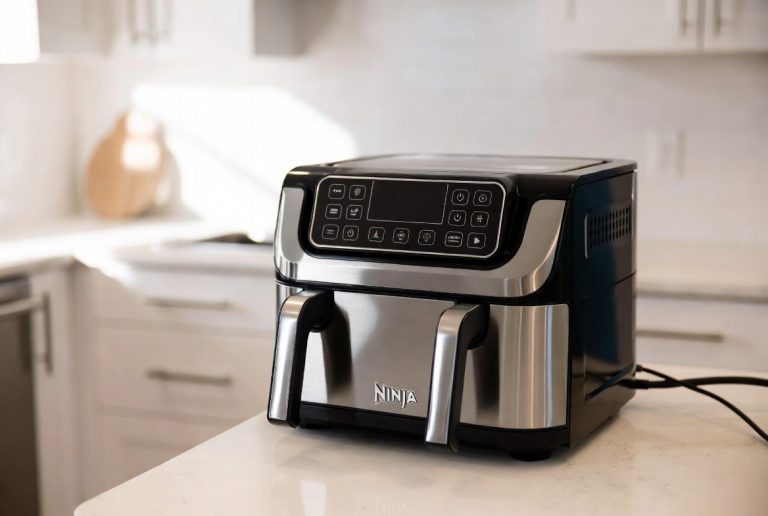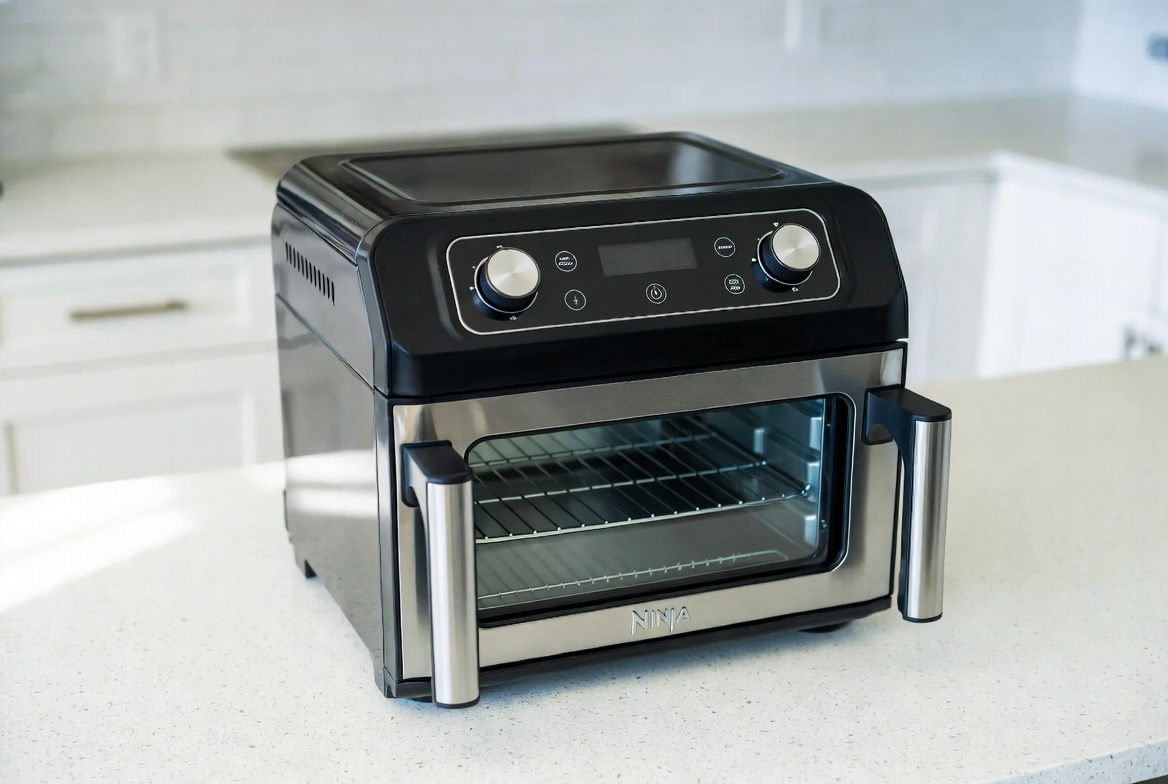
Ninja Air Fryer Air Crisp vs Bake: Which Mode Is Better for Your Cooking Needs?
If you’ve recently invested in a Ninja air fryer, you’ve probably noticed that it comes with multiple cooking modes. Among the most commonly used are Air Crisp and Bake. But here’s the thing—many people aren’t entirely sure what sets these two modes apart, or when they should be using one over the other. That’s where I come in. I’m going to walk you through everything you need to know about these two cooking methods so you can make the most of your kitchen appliance.
Understanding the Ninja Air Fryer Cooking Modes
Your Ninja air fryer isn’t just a one-trick pony. It’s equipped with multiple cooking modes, each designed to handle different types of food and achieve specific results. Think of it like having several kitchen appliances rolled into one compact device. The Air Crisp and Bake modes are two of the most versatile options available, but they work quite differently from each other.
The reality is that most home cooks never fully explore what their air fryers can do. They stick to one mode and assume it works for everything. But that’s leaving a lot of culinary potential on the table. Understanding the nuances between these modes can genuinely elevate your cooking game and help you prepare meals that taste like they came from a professional kitchen.
What Is Air Crisp Mode?
Air Crisp mode is the flagship feature of most Ninja air fryers. When you select this mode, you’re activating the appliance’s rapid air circulation technology. Essentially, the air fryer heats air to extremely high temperatures and circulates it at high speeds around your food. This creates that coveted crispy exterior while keeping the inside tender and juicy.
The way Air Crisp works is reminiscent of deep frying, but without the oil—or at least with significantly less oil. The intense heat and rapid air movement causes the moisture on the surface of your food to evaporate quickly, resulting in that golden, crunchy texture we all crave. It’s almost magical how effective it is, honestly.
How Air Crisp Achieves Its Results
The magic of Air Crisp lies in its aggressive air circulation pattern. The heating element at the top of the fryer rapidly warms the air, and a powerful fan pushes this hot air down and around your food at high velocity. This constant movement prevents any cool spots from developing and ensures even cooking across every surface.
The temperatures in Air Crisp mode are typically higher than other cooking modes, often ranging from 300 to 400 degrees Fahrenheit depending on your recipe. This high heat is what creates the Maillard reaction—that chemical process that browns food and develops complex flavors.
What Is Bake Mode?
Bake mode, on the other hand, is the gentler cousin of Air Crisp. This mode uses more traditional convection heating, similar to what you’d find in a conventional oven. The air circulation is present but much gentler, and the overall approach is designed to cook food more evenly and slowly without prioritizing the crispy exterior.
When you’re using Bake mode, you’re essentially using your Ninja air fryer like a mini convection oven. The heat circulates around your food, but at a slower pace and typically at lower temperatures. This makes it ideal for dishes that require more delicate handling or where you want to preserve moisture and tenderness.
The Science Behind Bake Mode
Bake mode operates at a lower intensity level. The fan still circulates air, creating that convection effect that helps foods cook more evenly than they would in a regular oven, but it’s not the aggressive circulation you get with Air Crisp. Temperatures in Bake mode typically range from 300 to 350 degrees Fahrenheit, though some recipes might go slightly higher.
The slower cooking process in Bake mode actually has some real advantages. It allows heat to penetrate food more gradually, which means you’re less likely to end up with a burnt exterior and a cold interior. It’s also better for foods that might dry out under the intense heat and rapid air circulation of Air Crisp mode.
Key Differences Between Air Crisp and Bake
Let me lay out the fundamental differences between these two modes so you can understand when and why you’d choose one over the other.
- Air Circulation Speed: Air Crisp uses rapid, intense air circulation, while Bake uses slower, gentler circulation
- Temperature Range: Air Crisp typically operates at higher temperatures than Bake
- Primary Goal: Air Crisp is designed to create crispiness, while Bake aims for even cooking and moisture retention
- Cooking Time: Air Crisp generally cooks food faster due to the intense heat and air movement
- Surface Texture: Air Crisp creates golden, crunchy exteriors, while Bake produces more tender, less crispy results
- Ideal For: Air Crisp works best for foods that benefit from crispiness, while Bake is better for delicate items
Air Circulation and Temperature Distribution
Understanding how these modes handle air circulation and temperature distribution is crucial. Air Crisp’s rapid circulation means heat reaches every corner of your food almost immediately. There’s minimal temperature variance, so everything cooks at the same rate. This uniformity is fantastic for items like frozen fries or chicken wings where you want consistent results every single time.
Bake mode’s gentler circulation takes a different approach. The heat builds up more gradually, and while convection still ensures more even cooking than a regular oven, it’s not as aggressive. This gradual temperature increase is actually beneficial for certain foods. Think about baking a delicate pastry or a casserole—you want the heat to distribute evenly, but you don’t want the outside to brown too quickly before the inside is cooked through.
The Impact on Different Food Types
The differences in air circulation directly affect how different foods turn out. Frozen foods with a lot of surface area—like french fries, onion rings, or breaded chicken—absolutely thrive in Air Crisp mode. The intense heat and air movement work together to cook the inside while the outside becomes perfectly crispy. But bread, cakes, or delicate vegetables might actually benefit more from Bake mode’s gentler approach.
Texture and Crispiness Comparison
Here’s the real question that most people care about: which mode produces crispier food? The answer is unambiguous—Air Crisp wins this category hands down. It’s specifically engineered to create that crispy, fried-like texture that makes air frying so appealing to so many people.
The rapid air circulation in Air Crisp mode removes moisture from the surface of your food almost instantly. This is what creates crispiness. The exterior dries out quickly and develops that golden-brown color and crunchy texture. If you’re cooking something where you absolutely want that crispy exterior—like chicken wings, fish fillets, or potato chips—Air Crisp is your mode.
Bake mode, while it will still produce decent texture, prioritizes even cooking over crispiness. You’ll get a more tender, less crispy result. This isn’t necessarily a bad thing. For many dishes, that tender texture is exactly what you want. But if crispiness is your goal, Air Crisp is the clear winner.
Comparing Side-by-Side Results
Let me give you a practical example. If you cook frozen chicken nuggets in Air Crisp mode for 12 minutes, you’ll get a very crispy, golden exterior with a juicy interior. Cook the same nuggets in Bake mode for 15 minutes, and you’ll get a nugget that’s cooked through but with a softer, less crispy coating. Both are edible and reasonably delicious, but the results are noticeably different.
Moisture Retention: Which Mode Preserves It Better?
Now, moisture retention is where Bake mode really shines. Because the air circulation is gentler and the overall cooking process is slower, Bake mode does a better job of preserving moisture within your food. This is why Bake mode is often recommended for items like salmon, vegetables, or casseroles where you want to maintain juiciness and tenderness.
Air Crisp mode, by its very nature, removes moisture from the surface to create that crispy texture. This can sometimes lead to slightly drier results, especially if you’re not careful about cooking times. If you’re preparing something delicate that you want to keep moist and tender, Bake mode is definitely the way to go.
When Moisture Matters Most
Think about cooking a salmon fillet. You want it to be cooked through, but you absolutely don’t want it to be dry. Bake mode allows the gentle heat to penetrate the fish evenly without driving out excessive moisture. If you used Air Crisp mode on that same salmon, you’d risk ending up with a dry, overcooked texture on the outside while the inside might still be slightly cold.
Best Foods for Air Crisp Mode
Let me give you a comprehensive list of foods that absolutely sing when cooked in Air Crisp mode. These are items where you actively want that crispy texture.
- Frozen French Fries: This is where Air Crisp really excels. You’ll get perfectly golden, crispy fries every single time
- Chicken Wings: The rapid air circulation crisps up the skin beautifully while keeping the meat juicy
- Breaded Chicken Cutlets: The coating becomes wonderfully crunchy and golden
- Fish Fillets: Especially breaded varieties, which develop a fantastic crispy exterior
- Vegetable Chips: Whether they’re homemade or store-bought, Air Crisp creates that chip-like crispiness
- Mozzarella Sticks: The coating gets super crispy while the cheese inside stays melted and gooey
- Onion Rings: A perfect candidate for achieving that fried food texture without deep frying
- Chicken Nuggets: Kids and adults alike will appreciate the crispy coating
- Bacon: It becomes perfectly crispy without the mess of stovetop cooking
- Shrimp: Breaded shrimp especially benefits from Air Crisp’s intense heat
Best Foods for Bake Mode
Conversely, here are foods where Bake mode is your best choice. These are items where you want even cooking, moisture preservation, or a more delicate touch.
- Salmon and Other Fish: The gentle heat keeps the fish moist and tender
- Vegetables: Broccoli, zucchini, and other veggies cook evenly without drying out
- Casseroles: Bake mode handles these like a traditional oven would
- Pastries and Baked Goods: These benefit from the slower, more even heat distribution
- Chicken Breasts: Whole or large pieces stay juicier in Bake mode
- Pizza: Bake mode gives you more control over the baking process
- Bread: Whether you’re baking fresh bread or reheating rolls, Bake mode is ideal
- Delicate Seafood: Scallops or other tender seafood cook better with gentler heat
- Roasted Vegetables: While they won’t be as crispy as Air Crisp mode, they’ll be more tender
- Egg-Based Dishes: Frittatas and quiches need gentle, even heat
Energy Efficiency and Cooking Time
Let’s talk practicality. Air Crisp mode cooks food faster because of its intense heat and rapid air circulation. This means lower energy consumption for shorter periods. If you’re in a rush and want to get dinner on the table quickly, Air Crisp is your friend.
Bake mode takes longer because it uses a gentler approach. However, this doesn’t necessarily mean it’s less energy-efficient overall. Yes, it takes more time, but it typically uses lower temperatures. The relationship between cooking time and energy consumption isn’t always straightforward.
For most practical purposes, though, Air Crisp mode is probably slightly more energy-efficient because it gets the job done faster. But the difference isn’t enormous, and it really depends on what you’re cooking and how you measure efficiency.
Practical Tips for Using Each Mode
Tips for Air Crisp Mode
When you’re using Air Crisp mode, here are some things to keep in mind. First, don’t overcrowd the basket. The whole point of Air Crisp is that rapid air circulation, and if you pack things in too tightly, the air can’t move freely. You might want to cook in batches rather than overloading.
Second, pat your food dry before cooking. Any excess moisture on the surface will slow down the crisping process. A paper towel works great for this. Third, if you’re using oil, a light spray is all you need. You’re not deep frying here, just creating a crispy texture with minimal oil.
Finally, keep an eye on cooking times. Air Crisp is fast, and things can go from perfectly cooked to slightly overdone relatively quickly. Start checking your food a minute or two before the recommended time is up, especially when you’re cooking something for the first time.
Tips for Bake Mode
For Bake mode, the rules are a bit different. Since the air circulation is gentler, you can arrange your food more densely without worrying too much about air flow. That said, you still want reasonable spacing so heat can reach all surfaces.
Don’t skip preheating. Bake mode benefits from a preheated air fryer, especially for baked goods. This ensures even cooking from the start. Also, remember that Bake mode is slower, so don’t be impatient. The gradual heat buildup is actually what gives you the even cooking you’re after.
If you’re cooking something that might dry out, like a chicken breast, you might want to add a little moisture to your air fryer. Some people place a small bowl of water inside to help maintain humidity. It sounds old-fashioned, but it actually works surprisingly well.
Common Mistakes People Make
I’ve seen people make some common errors when switching between these modes. Let me help you avoid them. First mistake: using Air Crisp for everything. Just because it c
![5 Best Air Fryer Cookbooks for Beginners [In 2026]](https://homeunderstandable.com/wp-content/uploads/2026/03/5-Best-Air-Fryer-Cookbooks-for-Beginners.jpg)
![What Is The Best Air Fryer for Semi Truck [In 2026]](https://homeunderstandable.com/wp-content/uploads/2026/03/Best-Air-Fryer-for-Semi-Truck-768x516.jpg)
![5 Best Air Fryer for $100 [In 2026]](https://homeunderstandable.com/wp-content/uploads/2026/03/5-Best-Air-Fryer-for-100.jpg)
![What Is The Best Air Fryer for Samosa [In 2026]](https://homeunderstandable.com/wp-content/uploads/2026/03/Best-Air-Fryer-for-Samosa-768x516.jpg)
![What Is The Best Air Fryer for Sublimation [In 2026]](https://homeunderstandable.com/wp-content/uploads/2026/03/Best-Air-Fryer-for-Sublimation-768x516.jpg)