
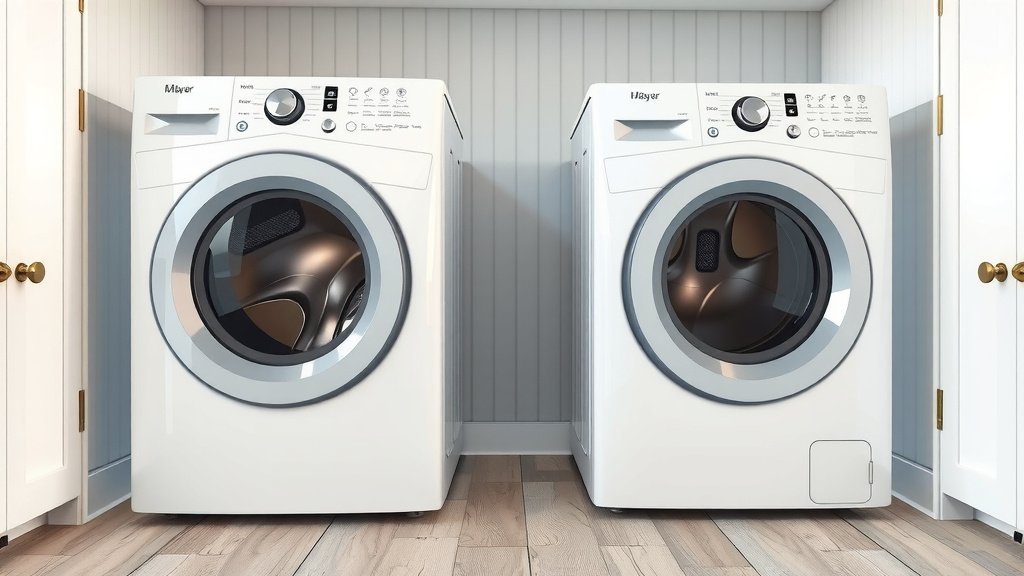
Washer and Dryer Setup: What You Really Need
Getting a new washer and dryer means you need a few key things to make them work. You’ll need proper Getting a new washer and dryer means you need a few key things to make them work; our guide covers the best options.water hookups for both machines and a drain for the washer. Your dryer needs a suitable power outlet, and for a gas dryer, a gas line. Making sure you have these basics means a smooth installation.
Beyond the essentials, consider the space you have. Measure carefully to ensure your new appliances fit comfortably. You also need to think about ventilation, especially for a vented dryer. Proper setup prevents potential damage and ensures your machines run efficiently for years to come.
- Water hookups (hot and cold) for the washer.
- A drain for the washer’s discharge hose.
- The correct electrical outlet for your dryer (120V or 240V).
- A gas line if you’re installing a gas dryer.
- Adequate space and proper ventilation.
Let’s walk through exactly what you need to have ready before your new laundry machines arrive!
Getting Your Laundry Room Ready for a New Washer and Dryer
So, you’re ready for an upgrade to your laundry routine! Bringing home a new washer and dryer is exciting. But before they can start tackling your socks and towels, you need to make sure your space is prepped. This means checking a few essential hookups and clearances. We’ve found that being prepared makes the entire installation process much smoother.
Understanding the Water Supply and Drainage Needs
Your washing machine is the star of the show when it comes to water usage. It needs a reliable source of both hot and cold water to function correctly. These hookups ensure your clothes get properly cleaned and rinsed. Many modern washers use specific temperature settings for different fabrics, making this a really important feature.
Hot and Cold Water Connections
You’ll need two separate water inlet valves under your washing machine. One connects to your home’s hot water line, and the other to the cold water line. Standard washing machine hoses are usually about 3-5 feet long. It’s a good idea to check their condition. Many experts recommend replacing older hoses, even if they look okay, to prevent leaks or bursts (Consumer Product Safety Commission).
The Washer’s Drain System
After a wash cycle, your machine needs somewhere to send that used water. This is where the drain comes in. Typically, a standpipe in the wall is used. This is essentially a vertical pipe where the washer’s discharge hose can sit. The standpipe needs to be at least 30 inches high. This height prevents water from flowing back into the machine during the drain cycle.
Power Requirements for Your Appliances
Both your washer and dryer need electricity to run, but their needs can differ. Understanding these requirements ensures your machines get the right amount of power without any issues.
Washing Machine Power Needs
Most washing machines are pretty standard. They typically run on a 120-volt electrical outlet. This is the same kind of outlet you use for many common household appliances, like your TV or toaster. It’s usually a three-prong outlet. Always check your washer’s manual for its specific voltage requirement, but 120V is the most common.
Dryer Electrical Requirements: A Key Difference
Here’s where things can get a bit more varied. Electric dryers almost always require a 240-volt outlet. This is a different type of outlet than what most appliances use and delivers more power. It’s essentially two 120-volt circuits combined. If you have an electric dryer, you’ll need to confirm that a 240V outlet is available in your laundry area.
Considering a Gas Dryer? What You’ll Need
If you’ve opted for a gas dryer, it has an additional, very specific requirement beyond electricity. This is a connection to your home’s natural gas supply.
The Gas Line Connection
Gas dryers need a dedicated gas line. This line runs from your home’s main gas supply directly to the dryer’s connection point. The connection usually involves a shut-off valve and a flexible gas connector hose. Many plumbing codes require this connection to be made by a qualified professional. It’s a safety measure we found is highly recommended (Occupational Safety and Health Administration).
Gas vs. Electric Dryer: A Quick Comparison
Many people wonder about the difference. Gas dryers tend to heat up faster and can be more energy-efficient for some households. However, they usually have a higher initial cost for the appliance and the gas line installation. Electric dryers are often less expensive to buy and install if you already have the correct 240V outlet. Research and found that the operating cost can vary greatly depending on local utility prices.
Space, Ventilation, and Other Practicalities
Beyond the hookups, think about the physical space and airflow. These elements are vital for your machines’ performance and longevity.
Measuring Your Laundry Space
This is a step you absolutely do not want to skip! Before you even buy your new washer and dryer, measure the space where they will go. Consider the width, depth, and height. Also, think about the door swing of any cabinets or doors nearby. You need enough room for the appliances themselves, plus some clearance for hoses and air circulation. A little extra space makes a big difference.
Ventilation for Vented Dryers
If you have a traditional vented dryer (either gas or electric), it needs a way to expel hot, moist air. This usually means a dryer vent. The vent is a duct that runs from the back of the dryer to the outside of your home. Make sure the vent path is as short and straight as possible. We found that long or convoluted vents can trap lint and reduce drying efficiency.
Lint Trap Maintenance
Speaking of lint, cleaning the dryer’s lint trap after every use is non-negotiable. A clogged trap isn’t just a fire hazard; it significantly impacts drying performance and increases energy use. It’s a simple habit that pays off big time.
What Else Might You Need? A Quick Checklist
Here’s a handy checklist to ensure you’ve got everything covered:
- Confirm you have hot and cold water hookups for the washer.
- Verify a proper drain standpipe or other suitable drain for the washer.
- Check for the correct electrical outlet (120V for washer, 240V for electric dryer).
- Ensure a gas line is available if you’re installing a gas dryer.
- Measure your space accurately and confirm clearance.
- Check the existing dryer vent or plan for one.

Conclusion
Getting your new washer and dryer set up is all about preparation. You’ve learned about the essential water, drain, and power hookups needed for both machines. Remember to consider the space and ventilation requirements to ensure efficient operation. Taking the time to confirm these details before installation will save you time and potential headaches. Your next step? Double-check your laundry room against this guide and confirm all your connections are ready for your new appliances!
Frequently Asked Questions
Do I need a plumber to install my washer and dryer?
For most standard washer and dryer installations, especially if existing hookups are in place, you might not need a plumber. However, if you need new water lines, drain pipes, or a gas line run, it’s highly recommended to hire a licensed plumber for safety and code compliance.
What’s the difference between a 120V and 240V outlet for laundry appliances?
A 120-volt outlet is standard for most household electronics and is typically sufficient for washing machines. A 240-volt outlet provides more power and is usually required for electric dryers to heat efficiently. Electric dryers simply won’t function correctly without this higher voltage connection.
Can my washer drain into a utility sink instead of a standpipe?
Yes, in some cases, a washer can drain into a utility sink. However, the sink needs to be positioned high enough to prevent siphoning, and the drain hose must be securely fastened to prevent it from coming out during the drain cycle. A proper standpipe is generally the preferred and most reliable setup.
How much space do I really need around my washer and dryer?
While exact measurements vary by model, plan for at least a few inches of clearance on the sides and back for hoses and ventilation. You’ll also need enough room to open appliance doors fully and access the control panels without obstruction. Always check your appliance’s manual for specific clearance recommendations.
Are there specific hose requirements for my washing machine?
Most washing machines come with standard hoses, but it’s wise to use reinforced, burst-resistant hoses. We found that older rubber hoses can degrade over time and pose a leak risk. Replacing them with new, high-quality hoses, especially braided stainless steel ones, is a smart preventative measure for your laundry room.

![7 Best Stackable Washer Dryer For Small Spaces [In 2026]](https://homeunderstandable.com/wp-content/uploads/2026/09/7-best-stackable-washer-dryer-for-small-spaces-in-2026-featured-768x432.jpg)

![7 Best 110v Stackable Washer Dryer [In 2026]](https://homeunderstandable.com/wp-content/uploads/2026/09/7-best-110v-stackable-washer-dryer-in-2026-featured-768x432.jpg)