Best Top-Load Washing Machine Picks for 2026
The best top-load washing machine for you often depends on your specific needs and budget, but many experts agree that models offering great cleaning power and energy efficiency are top contenders. You want a machine that handles your laundry loads effectively without using excessive water or electricity. Features like varied wash cycles and sturdy build quality are also important indicators of a superior top-loader. Many highly-rated options combine advanced cleaning technology with user-friendly designs.
When choosing a top-load washer, consider its capacity to fit your typical laundry volume. Think about the types of fabrics you most often wash. Some machines excel at gentle cycles for delicates, while others are built for heavy-duty stain removal. We found that models with deep fill options can be very helpful for bulky items. Also, look into the machine’s water usage ratings, as this can impact your utility bills.
TL;DR:
- Look for strong cleaning performance.
- Prioritize energy and water efficiency.
- Consider the drum capacity for your laundry needs.
- Check for features like multiple wash cycles.
- Budget plays a role in finding the best fit.
Let’s dive into what makes a top-load washing machine a great choice for your home and explore some of the leading models available today.
You’re likely here because your old washing machine has finally decided to call it quits, or maybe you’re just ready for an upgrade. Top-load washers are a popular choice for many households, and for good reason. They’re often easier to load, and many models offer powerful cleaning without breaking the bank. But with so many options out there, how do you pick the *best* one? Let’s break down what to look for and why certain features matter.
Finding Your Ideal Top-Load Washer
The best top-load washing machine for your home depends on your specific needs. We’ve researched what makes a top-loader truly great. It comes down to a balance of cleaning effectiveness, user convenience, and long-term value.
Understanding Top-Load Washer Types
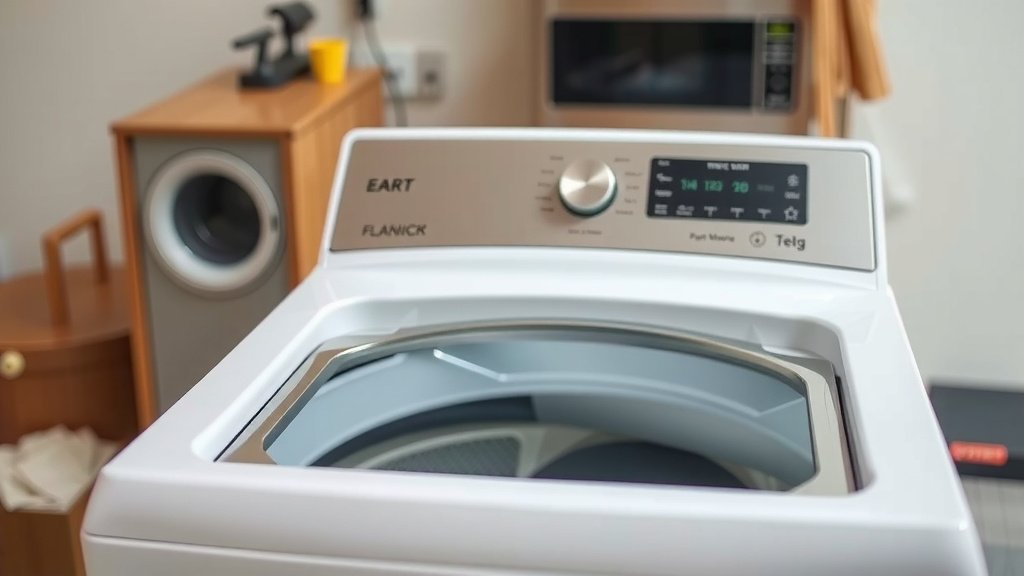
There are generally two main types of top-load washing machines you’ll encounter: agitator and high-efficiency (HE) impeller models. Knowing the difference will help you narrow down your search significantly.
Agitator Washers
These are the traditional workhorses. You know them by the center post, the agitator, that twists and turns clothes. They use a good amount of water to move garments around. Many people love them for their robust cleaning power on tough stains. They are often a bit gentler on clothes than you might think, as the agitator helps prevent tangling.
High-Efficiency (HE) Impeller Washers
These models have a low-profile disc or cone at the bottom instead of a central post. They rely on the impeller to move clothes through a smaller amount of water. HE models are generally more energy-efficient and water-saving. They can handle larger loads because there’s no center agitator taking up space. Some research suggests they may be gentler on fabrics, but cleaning power can vary.
Key Features That Make a Difference
Beyond the basic type, several features can truly enhance your laundry experience. Think about what frustrates you about your current machine or what you wish it could do better. We found that these features often stand out.
Capacity Matters for Your Laundry Loads
How much laundry do you do at once? If you have a large family or frequently wash bulky items like comforters, you’ll want a larger capacity machine. Smaller households might be perfectly happy with a medium-sized drum. A common size for a large capacity machine is 5.0 cubic feet or more. Smaller ones might be around 3.5 to 4.5 cubic feet.
Wash Cycles and Customization
Do you wash a lot of delicates? Or perhaps heavily soiled work clothes? Look for machines with a wide range of wash cycles. Common cycles include normal, heavy duty, delicates, and quick wash. Some advanced models offer steam cycles for sanitizing or specialized cycles for athletic wear. Having options means you can tailor the wash to protect your clothes and get them cleaner.
Water Fill Options
This is where HE machines and agitator machines can really differ. Some HE models don’t allow you to choose the water level, relying on sensors. If you prefer more control, look for a deep fill option. This lets you add extra water for bulkier items or for a more traditional wash experience. Many experts recommend this feature for better rinsing.
Spin Speed and Water Extraction
A faster spin speed means your clothes will come out of the washer drier. This can translate to shorter drying times and less energy used by your dryer. We found that machines with spin speeds of 1,000 RPM or higher are quite effective at removing water.
Noise and Vibration Levels
Some washing machines sound like they’re about to take flight. If your laundry room is near living areas, you’ll appreciate a model designed for quiet operation. Look for features like vibration reduction systems or special suspension. Reading reviews often reveals which models are particularly noisy.
Top Considerations for the Best Top-Loaders
When you’re comparing different models, keep these key aspects in mind. They’ll help you make a decision that you’ll be happy with for years to come.
Energy and Water Efficiency Ratings
An Energy Star certified washing machine is a great choice for saving money on your utility bills. These machines meet strict energy efficiency guidelines set by the U.S. Environmental Protection Agency. They use less water and electricity than standard models. While they might have a slightly higher upfront cost, the savings over time can be substantial. Many sources, like the Department of Energy, recommend looking for the Energy Star label.
Durability and Build Quality
You want a washing machine that’s built to last. Look for brands known for their reliability. Stainless steel drums are generally more durable and resist rust better than plastic ones. Solid construction and good warranties can also be indicators of a well-made machine. We found that customers often report satisfaction with brands that have a long history of quality appliances.
Smart Features and Connectivity
Are you a tech enthusiast? Some top-load washers now come with smart capabilities. You might be able to control your washer from your smartphone, receive cycle notifications, or even download new wash cycles. While not essential for everyone, these features can add a layer of convenience. Consider if these add-ons justify any extra cost for you.
Here’s a quick checklist to help you remember the most important factors:
- Check the drum capacity for your household size.
- Decide between an agitator or an HE impeller model.
- Look for energy efficiency (like Energy Star ratings).
- Consider the variety of wash cycles you’ll need.
- Read reviews for noise and vibration levels.
- Think about your budget and desired advanced features.
By focusing on these points, you’ll be well on your way to finding a top-load washing machine that tackles your laundry challenges effectively and efficiently. Remember, the “best” machine is the one that best suits your unique laundry routine.
Conclusion
Finding the best top-load washing machine for your home means balancing your laundry needs with smart features. You’ve learned about the differences between agitator and HE impeller models, and why capacity, wash cycles, and efficiency ratings matter. We’ve seen how good build quality and thoughtful extras like deep fill options can make a real difference. Now that you know what to look for, take a moment to assess your laundry habits. This will guide you toward a machine that cleans effectively and saves you time and money. Your next step is to browse models that align with these key features and your budget.
Frequently Asked Questions
Are agitator or HE impeller top-load washers better for tough stains?
Agitator models are often favored for tackling tough stains due to their robust cleaning action. The central post twists clothes vigorously in the water. However, many modern HE impeller models have improved their stain-fighting capabilities with advanced cycles and specialized detergents.
How much capacity do I really need in a top-load washer?
Consider your household size and the types of items you wash most often. For large families or frequent washing of bulky items like bedding, a larger capacity (5.0 cu. ft. or more) is beneficial. Smaller households might be perfectly content with a medium capacity (around 3.5-4.5 cu. ft.).
Do energy-efficient top-load washers clean as well as less efficient ones?
Yes, generally they do. Energy Star certified machines are designed to clean effectively while using less water and electricity. Many advanced HE models offer superior cleaning performance compared to older, less efficient machines, often thanks to innovative wash actions and temperature controls.
What does a “deep fill option” do, and do I need it?
A deep fill option allows you to manually add extra water to the wash tub, beyond what the machine’s sensors determine is necessary. This is especially useful for bulky items that may not get fully submerged or if you prefer a more traditional, water-heavy wash for better rinsing. It offers more control over your wash cycle.
How important is spin speed for a top-load washing machine?
Spin speed is quite important for efficiency. Higher RPMs (revolutions per minute) extract more water from your clothes during the spin cycle. This means your laundry will be drier coming out of the washer, leading to shorter drying times and potentially lower energy costs for your dryer.
![7 Best Stackable Washer Dryer Combo [In 2026]](https://homeunderstandable.com/wp-content/uploads/2026/09/7-best-stackable-washer-dryer-combo-in-2026-featured-768x432.jpg)