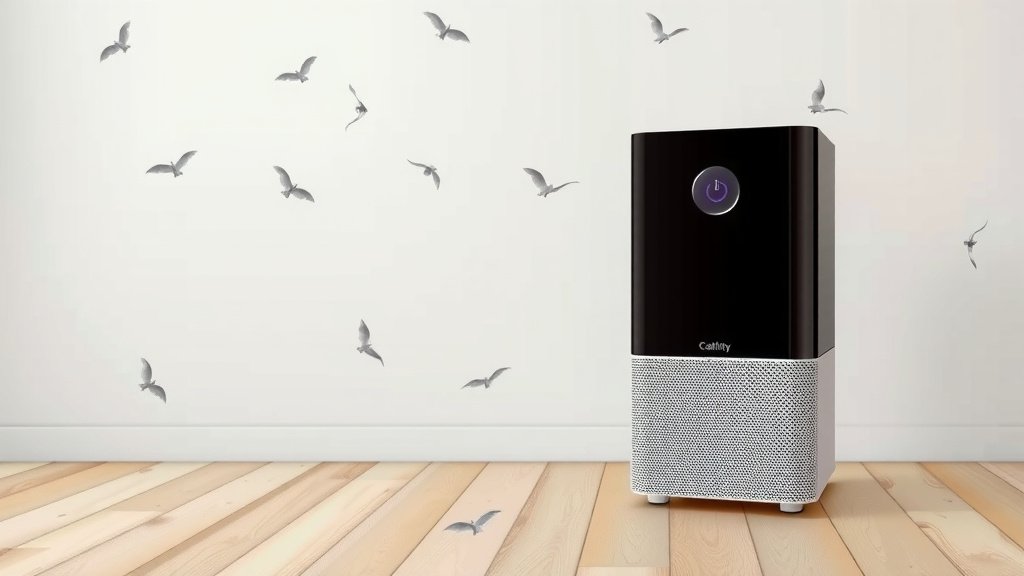
Air Purifiers: Your Ally Against Allergy Symptoms
Yes, air purifiers can significantly help with allergies by trapping airborne allergens like pollen, dust mites, pet dander, and mold spores before you inhale them. They act like a big, invisible vacuum cleaner for your air, making your home a much more comfortable space, especially during peak allergy seasons. Many people find their allergy symptoms, like sneezing and itchy eyes, are much easier to manage when they use one.
Air purifiers work by drawing in air from your room and passing it through a series of filters. The most important of these is often a HEPA filter, which is designed to capture tiny particles you can’t even see. Think of it as a superhero shield for your lungs, protecting you from things that make your allergies flare up. We found that consistent use makes a noticeable difference for many allergy sufferers.
- Air purifiers capture allergens like pollen and dust.
- They use filters, especially HEPA filters, to clean the air.
- This can reduce sneezing, itching, and other allergy symptoms.
- Consistent use offers the best relief.
Ready to breathe easier? Let’s dive into exactly how an air purifier can become your new best friend in the fight against allergies.
How Air Purifiers Combat Allergy Triggers
Air purifiers act as your home’s air quality guardian. They are specifically designed to capture and remove microscopic particles that can set off your allergies. Think of them as a silent but mighty bodyguard for your respiratory system. By continuously cleaning the air you breathe, they reduce your exposure to common irritants.
Understanding Your Invisible Allergens
Many allergy sufferers struggle with things they can’t even see. These invisible invaders are often the culprits behind sneezing fits and itchy eyes. Common allergens include:
- Dust mites, tiny creatures that thrive in upholstery and bedding.
- Pet dander, microscopic skin flakes from cats and dogs.
- Pollen, which floats in the air during allergy seasons.
- Mold spores, often found in damp areas of your home.
- Smoke particles, from cigarettes or cooking.
The Magic of Filtration: HEPA Filters
The heart of most effective air purifiers is the HEPA filter. HEPA stands for High-Efficiency Particulate Air. These filters are a marvel of engineering. They are designed to trap at least 99.97% of airborne particles that are 0.3 microns in size. To put that into perspective, that’s incredibly small!
What Makes HEPA Filters So Special?
HEPA filters work like a fine net. Air is pulled through the filter material, which is made of densely packed fibers. These fibers trap particles through a combination of mechanisms, not just simple sieving. They can snag larger particles directly, while smaller particles get caught through diffusion and electrostatic attraction.
Beyond HEPA: Other Filter Types
While HEPA filters are the gold standard for allergens, many air purifiers also include other filter types. Activated carbon filters are excellent for absorbing odors and gases. These can be helpful if your allergies are sometimes triggered by strong smells or volatile organic compounds (VOCs) from cleaning products or paint.
How Air Purifiers Directly Reduce Allergy Symptoms
When you inhale allergens, your immune system can overreact. This causes uncomfortable symptoms like sneezing, coughing, a runny nose, and watery eyes. By removing these triggers from your environment, an air purifier helps minimize these reactions. You might find yourself breathing more freely and experiencing fewer flare-ups.
Fewer Triggers, Less Suffering
Imagine a world where pollen season doesn’t mean hiding indoors. Or where you can enjoy having a pet without constant sneezing. Air purifiers help make this a reality for many. We found that consistent use can lead to a noticeable reduction in allergy medication needs for some individuals.
Improving Sleep Quality
Allergies can disrupt sleep, leaving you feeling tired and run down. Breathing cleaner air throughout the night can make a big difference. Many users report improved sleep quality when using an air purifier in their bedroom. This is because they’re not constantly exposed to the irritants that cause congestion and discomfort.
Choosing the Right Air Purifier for Allergies
Not all air purifiers are created equal. For allergy relief, you’ll want one with a true HEPA filter. Look for units that are sized appropriately for your room. A unit that’s too small won’t be effective. The CADR (Clean Air Delivery Rate) is another important metric. It tells you how quickly the purifier can clean the air.
Key Features to Look For
When shopping, consider these features:
- True HEPA Filter: Essential for capturing fine allergens.
- Appropriate Room Size Coverage: Ensure it’s matched to your space.
- Low Noise Levels: Especially important for bedrooms.
- Filter Replacement Indicator: Helps you know when to change filters.
- Energy Efficiency: Look for ENERGY STAR certified models.
Where to Place Your Air Purifier for Maximum Benefit
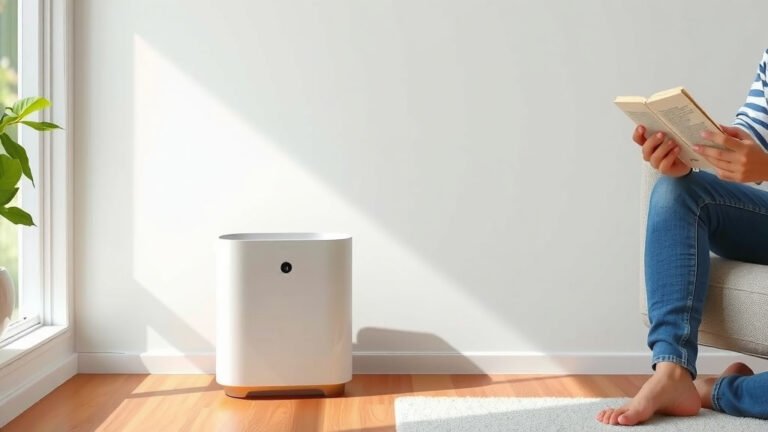
The placement of your air purifier can impact its effectiveness. You’ll want to place it in the room where you spend the most time. For many, this is the bedroom. If you work from home, a purifier in your home office is also a great idea. Ensure it has some space around it for proper air circulation.
Common Placement Mistakes to Avoid
Avoid placing your air purifier directly against walls or furniture. This can restrict airflow and reduce its ability to draw in dirty air. Also, keep it away from windows and doors where drafts might interfere with its operation. Think of it as giving it room to breathe.
Maintaining Your Air Purifier for Ongoing Relief
To keep your air purifier working its best, regular maintenance is key. The most important task is replacing the filters as recommended by the manufacturer. Clogged filters can’t clean the air effectively and can even become a source of allergens themselves.
Filter Lifespan and Replacement Schedule
Filter life varies depending on the model and the air quality in your home. Many manufacturers suggest replacing HEPA filters every 6-12 months. Activated carbon filters may need replacement more often. Always check your purifier’s manual for specific instructions. We found that some users benefit from replacing filters slightly more often during peak allergy seasons.
Making Allergies More Manageable at Home
Using an air purifier is a powerful tool in your allergy management arsenal. It works by actively removing allergens from your indoor environment. This reduction in airborne irritants can lead to fewer allergy symptoms and a more comfortable living space.
A Checklist for Allergy-Conscious Living with an Air Purifier:
- Place your air purifier in your primary living and sleeping areas.
- Run the air purifier consistently, especially during high pollen seasons.
- Keep windows and doors closed when outdoor allergens are high.
- Regularly clean other surfaces to reduce dust build-up.
- Change your air purifier filters on schedule.
- Consider vacuuming with a HEPA-filter vacuum cleaner.
By incorporating an air purifier into your home, you’re taking a significant step towards breathing easier and enjoying your living space, free from the constant battle against allergens.
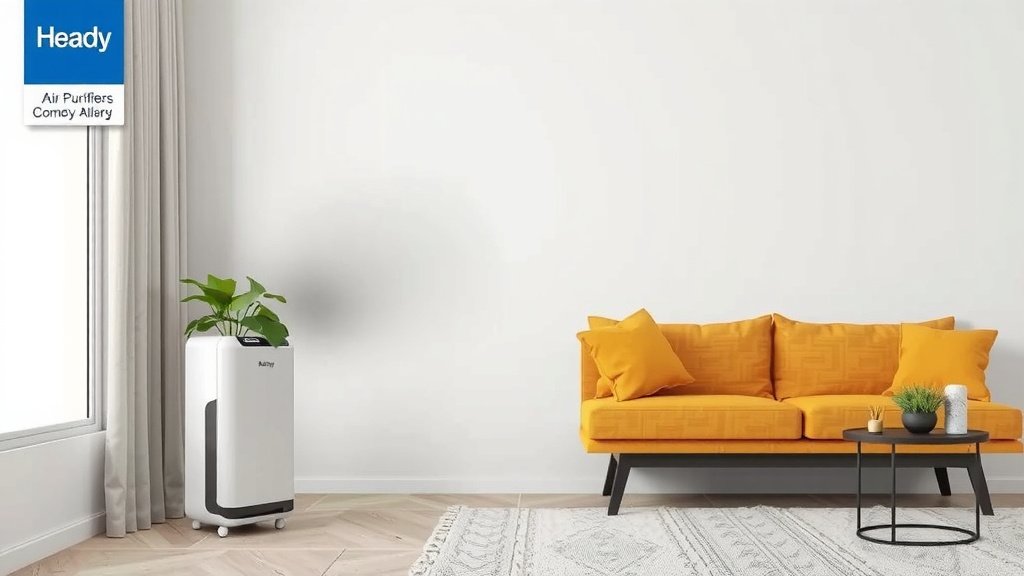
Conclusion
You’ve learned how air purifiers can be a powerful ally against your allergy symptoms. By actively capturing those pesky airborne allergens like pollen, dander, and dust mites, they create a cleaner, more comfortable home environment. Remember, consistent use and proper maintenance, especially changing filters on time, are key to experiencing the full benefits. So, take the next step: consider adding a true HEPA air purifier to your primary living space, like your bedroom or office, and start breathing easier today. Your comfort is worth it.
Frequently Asked Questions
Will an air purifier completely eliminate my allergies?
An air purifier can significantly reduce your exposure to allergens, making symptoms much more manageable. While it won’t magically cure allergies, it can greatly improve your quality of life by cleaning the air you breathe. Consistent use is key to seeing the best results.
How quickly can I expect to feel relief from allergy symptoms?
Many users report noticing a difference within a few days to a week of consistent use. Factors like the severity of your allergies and the number of allergens in your home play a role. For some, relief is more gradual as the air quality steadily improves over time.
Are air purifiers noisy, especially for bedrooms?
Noise levels vary by model, but many modern air purifiers are designed for quiet operation. Look for models with low decibel ratings or specific “sleep modes.” We found that finding one with a low noise level is essential for a peaceful night’s sleep.
Do I need to run my air purifier all the time?
For the best allergy relief, running your air purifier consistently is recommended, especially during peak allergy seasons or when allergens are high. Many purifiers are energy-efficient, so continuous use won’t drastically increase your electricity bill. It ensures the air is always being cleaned.
Can an air purifier help with pet allergies even if I don’t have pets?
Yes, an air purifier with a HEPA filter can help capture pet dander that might be tracked into your home from outside or brought in by visitors. If you’re sensitive to pet dander, running a purifier can help reduce airborne particles that trigger your symptoms.