Air Purifiers for Allergies: How Effective Are They
Yes, air purifiers can be very effective for allergies when you choose the right type and use it properly. They work by trapping airborne allergens like pollen, dust mites, pet dander, and mold spores. This can lead to fewer allergy symptoms for many people.
Many studies and allergy experts agree that air purifiers offer real relief. A good unit helps clean the air in your home, especially in your bedroom where you spend a lot of time. This means you might experience less sneezing, itching, and congestion.
- Air purifiers capture common allergens like pollen and dust.
- They can help reduce your allergy symptoms.
- Choosing the right filter, like a HEPA filter, is key.
- Proper placement and maintenance ensure they work best.
Let’s dive into how these devices work for allergy sufferers and what you should look for.
How Well Do Air Purifiers Tackle Allergy Triggers?
When allergies strike, you want relief. Air purifiers can offer just that by cleaning the air you breathe. They are quite effective when used correctly for allergy sufferers. Many studies have shown their benefits. They work by capturing tiny particles that can set off your sniffles and sneezes.
The Science Behind Cleaner Air
Air purifiers create a system to clean the air in your home. A fan pulls air into the unit. This air then passes through a series of filters. Each filter is designed to trap different types of particles. The cleaner air is then released back into the room. This continuous cleaning cycle reduces the concentration of airborne allergens.
What Particles Do They Remove?
These devices are great at removing common culprits. This includes things like pollen that drifts in through open windows. They also capture dust mite droppings, which are a major cause of indoor allergies. Pet dander, those tiny flakes of skin and dried saliva from your furry friends, is another big target. Mold spores, often found in damp areas, are also filtered out. Basically, if it floats in the air and can make you sneeze, a good air purifier can grab it (Mayo Clinic).
Understanding Different Filter Types
Not all filters are created equal. For allergy relief, the HEPA filter is your best friend. HEPA stands for High-Efficiency Particulate Air. These filters are designed to trap at least 99.97% of airborne particles. That includes particles as small as 0.3 microns. Many allergens are larger than this, so a HEPA filter is highly efficient.
Why HEPA is King for Allergies
Think of a HEPA filter like a super-fine net. It catches the smallest offenders that can cause big reactions. Without a true HEPA filter, an air purifier might not be as effective against tiny allergens like dust mite allergens or some mold spores. Always look for the “True HEPA” label to ensure you’re getting the best performance for your allergy needs.
Other Filter Considerations
Many air purifiers also use activated carbon filters. These are excellent for removing odors and gases. While they don’t directly target allergens, they can improve the overall air quality. This can be a nice bonus, especially if pets or cooking odors bother you. Some units combine HEPA and carbon filters for a dual-action approach.
Placement Matters for Maximum Relief
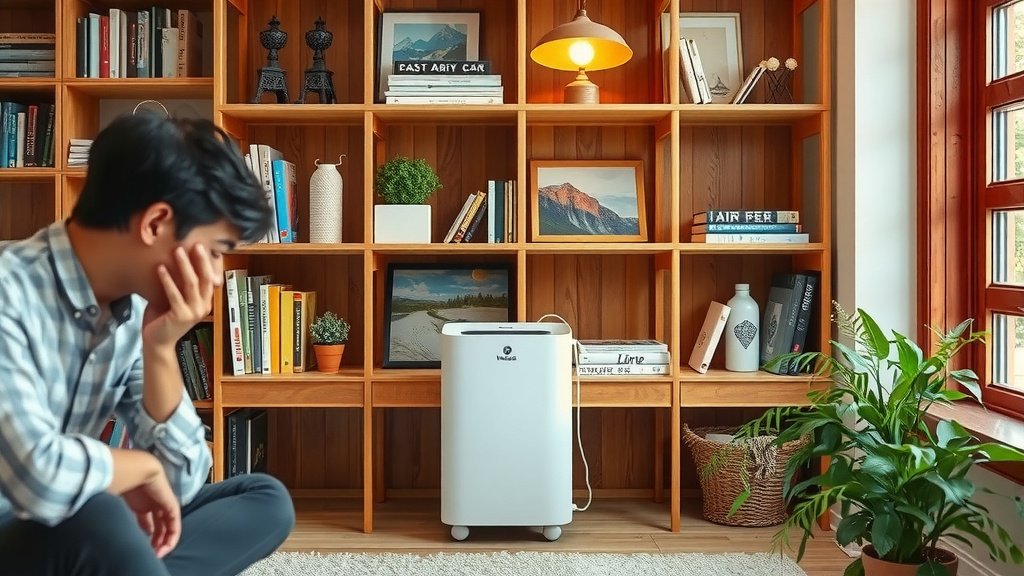
Where you put your air purifier can impact its effectiveness. For allergy sufferers, the bedroom is often the best place. You spend a significant amount of time here, especially when sleeping. Breathing cleaner air while you sleep can lead to a much better day.
Your Personal Allergy Sanctuary
Setting up an air purifier in your bedroom creates a personal haven from allergens. This is especially helpful if you have pets that you allow in the bedroom. Even without pets, dust and pollen can settle there. A purifier running overnight can significantly reduce your exposure to these triggers while you rest.
Living Room and High-Traffic Areas
You might also consider placing a unit in your main living area. This is where you likely spend a lot of your waking hours. If you have a home office, that’s another good spot. Areas with higher air circulation, like near doorways or windows, can also benefit from an air purifier.
Proper Maintenance is Key
An air purifier is only as good as its filters. You need to replace or clean them regularly. Manufacturers provide guidelines for filter life. These usually range from six months to a year for HEPA filters. Activated carbon filters may need replacing more often.
Don’t Forget the Pre-Filters
Most units have a pre-filter. This is a washable layer that catches larger particles like hair and lint. Cleaning this regularly helps extend the life of your main HEPA filter. A clogged pre-filter makes the whole unit work harder and less effectively.
Keeping Your Unit Running Smoothly
Following the manufacturer’s recommendations is vital. Ignoring filter changes means the filters become saturated. They can no longer capture allergens effectively. Worse, a dirty filter might even release trapped particles back into the air. That’s the last thing you want when dealing with allergies!
Are Air Purifiers a Cure-All?
While very helpful, it’s important to be realistic. Air purifiers are a tool in your allergy management toolbox. They work best when combined with other strategies. Reducing your exposure to allergens in the first place is also important.
A Checklist for Allergy-Friendly Living
Here’s a quick checklist to maximize your allergy relief:
- Run your air purifier daily, especially in your bedroom.
- Change or clean filters as recommended by the manufacturer.
- Keep windows and doors closed during high pollen seasons.
- Vacuum your home regularly with a vacuum that has a HEPA filter.
- Wash bedding weekly in hot water to kill dust mites.
- Consider allergen-proof mattress and pillow covers.
By integrating an air purifier into your home and adopting these habits, you can create a significantly cleaner environment. This can lead to noticeable relief from your allergy symptoms. It’s about creating a space where you can breathe easier.
Conclusion
You’ve learned that air purifiers can be a real ally in your fight against allergies. By effectively trapping common triggers like pollen, dander, and dust mites, they help clear the air in your home. Remember, the key is choosing a unit with a true HEPA filter and maintaining it properly by changing filters on schedule. Don’t forget pre-filters, too! While not a magic cure, an air purifier, especially in your bedroom, works best when combined with other allergy-friendly habits. Your next step? Make a plan to get a suitable air purifier for your home and stick to a regular maintenance schedule for the best results.
Frequently Asked Questions
How quickly can I expect to see allergy relief after using an air purifier?
Many people notice a difference within a few days to a week of consistent use. Breathing cleaner air overnight in your bedroom can lead to less morning congestion. Keep in mind that relief can vary based on the severity of your allergies and the number of allergens in your home.
Can air purifiers help with pet allergies even if I don’t have pets?
Yes, air purifiers can help even if you don’t own pets. Pet dander can easily be tracked into homes by visitors or even blow in through open windows. An air purifier with a HEPA filter will capture this dander, along with other allergens, improving your overall air quality.
Should I leave my air purifier running all the time?
For the best allergy relief, it’s recommended to run your air purifier continuously, especially in rooms where you spend a lot of time, like your bedroom or living room. This ensures that allergens are constantly being captured and removed from the air.
Are air purifiers noisy, and will they disturb my sleep?
Air purifiers come with various fan speeds, and some models are designed to be very quiet, especially on their lowest settings. Many people find the gentle white noise produced by an air purifier to be soothing and conducive to sleep.
What’s the difference between an air purifier and an ionizer for allergies?
True HEPA air purifiers trap allergens physically with filters. Ionizers release negative ions that cause particles to clump and fall out of the air, but they can sometimes produce ozone, which can be an irritant. For allergy sufferers, a HEPA filter is generally considered the safer and more effective option.
![5 Best Home Air Purifier for Wildfire Smoke [In 2026]](https://homeunderstandable.com/wp-content/uploads/2025/05/best-home-air-purifier-for-wildfire-smoke-top-picks-for-clean-air-768x512.jpg)