How Long Should You Run Your Air Purifier
You’re wondering how long to run your air purifier, and honestly, it’s a smart question to ask! For the best air quality, many experts recommend running your air purifier continuously, especially if you have allergies, pets, or live in an area with poor outdoor air. This ensures it’s always working to capture airborne particles like dust, pollen, and smoke.
While you might think turning it off saves energy, consistent use offers clearer air around the clock. We found that for optimal performance, especially during allergy seasons or when cooking smoky meals, leaving your air purifier on is often the most effective strategy. It’s like having a tiny air guardian on duty!
- Run your air purifier continuously for the cleanest air.
- Aim for at least 12 hours a day if continuous use isn’t possible.
- Consider running it 24/7 for allergies, pets, or pollution.
- Adjust based on specific air quality needs in your home.
Let’s dive a little deeper into the specifics of air purifier run times and what works best for different situations.
How Long Should Your Air Purifier Be Running?
You’ve got your air purifier, and now you’re wondering about the perfect run time. It’s a common question, and the answer isn’t a simple one-size-fits-all. We found that for the best air quality, continuous operation is often recommended. But let’s break down what that really means for your home and your needs.
Understanding Air Purifier Operation Times
Think of your air purifier as a silent guardian for your indoor air. It’s constantly working to remove pollutants. When you ask how long to run it, you’re really asking how often it needs to do its job. We found that the goal is to keep the air in your home as clean as possible, as much as possible.
Continuous Operation: The Gold Standard
Many experts agree that running your air purifier 24/7 is the most effective way to maintain optimal air quality. This is especially true if you have persistent air quality issues or specific health concerns. It ensures that even as new pollutants enter your air, they are quickly captured. This constant filtering helps reduce the overall **concentration of allergens and irritants**.
If you’re dealing with severe allergies, asthma, or if you live in an area prone to wildfires or heavy traffic pollution, a 24/7 run time is strongly advised. It acts as a constant defense system. We found that even small amounts of continuous exposure to certain pollutants can have an effect, so consistent purification is key.
Partial Operation: When 24/7 Isn’t Feasible
We get it, running an appliance all the time might seem like a drain on energy and your wallet. If 24/7 operation isn’t practical for your budget or lifestyle, aim for a substantial portion of the day. Many manufacturers and air quality specialists suggest running your air purifier for at least 12 hours a day. This can often cover the times you’re most likely to be in your home and when air quality might be most important to you.
Consider running it during peak hours when you’re home, such as mornings and evenings. If you have a specific room where you spend most of your time, like your bedroom or living room, focus on keeping the purifier running there for extended periods. This targeted approach can still yield noticeable improvements in air quality.
Situational Operation: Targeting Specific Events
Sometimes, you don’t need to run your air purifier all day, every day. There are specific times when turning it on for a few hours can make a big difference. Think about these common scenarios:
Cooking and Odors
Does cooking, especially frying or grilling, fill your home with smoke or strong smells? Turn on your air purifier in the kitchen or nearby area before you start cooking. Run it for at least an hour or two after you’re done to clear out any lingering smoke particles and odors. This prevents those cooking smells from spreading throughout your house.
Pet Activity
If you have furry friends, you know they can bring dander and odors. Running your air purifier more frequently when pets are active can help. A few hours each day, especially in rooms where your pets spend a lot of time, can significantly reduce airborne pet dander. We found that this helps manage allergies related to pet ownership.
Guest Arrivals and Departures
Having guests over? It’s a nice gesture to ensure your air is as fresh as possible. Running your purifier for a few hours before they arrive and after they leave can help. This is particularly thoughtful if your guests have allergies or are sensitive to smells. It shows you’ve considered their comfort, and it also helps clear out any **germs or allergens** that might have been stirred up.
Seasonal Allergies and High Outdoor Pollution Days
During peak allergy seasons, like spring for pollen or fall for mold spores, you might want to increase your run time. If outdoor air quality is poor due to smog or wildfire smoke, keep windows closed and run your air purifier continuously. This is when your purifier is working overtime to protect your indoor sanctuary. We found that consistent filtering is vital on these days (CDC).
Factors Influencing Your Air Purifier’s Run Time
Several elements play a role in deciding how long your air purifier should operate. It’s about matching the purifier’s effort to your home’s specific environment and needs.
Room Size and CADR Rating
Your air purifier’s effectiveness is tied to its Clean Air Delivery Rate (CADR) and the size of the room it’s in. A unit with a high CADR rating can clean the air in a larger space more quickly. If your purifier is undersized for the room, you’ll likely need to run it for longer periods to achieve the same level of air cleaning. We found that a properly sized unit can clean the air more efficiently in a shorter time.
Your Home’s Air Quality Issues
What are you trying to tackle? Dust? Pet dander? Smoke? Mold spores? The type and severity of pollutants in your home will guide your decision. For instance, if you have a persistent dust problem, continuous operation might be best. For occasional cooking smells, intermittent use might suffice. We found that identifying your primary air quality concern is a great first step.
Occupancy and Activity Levels
How many people and pets live in your home? How active are they? More people and pets generally mean more potential for air pollutants like dander, dust, and odors. High activity levels, like frequent cooking or crafting, can also introduce more particles into the air. Your purifier needs to work harder during these times. Consider running it longer when your home is more active.
Energy Efficiency of Your Unit
Modern air purifiers are designed with energy efficiency in mind. Many have energy-saving modes or timers that allow you to optimize their run time without excessive energy consumption. Check your model’s specifications for its energy usage. You might be surprised at how little it costs to run continuously. We found that many units are quite efficient, making 24/7 operation more feasible than you might think.
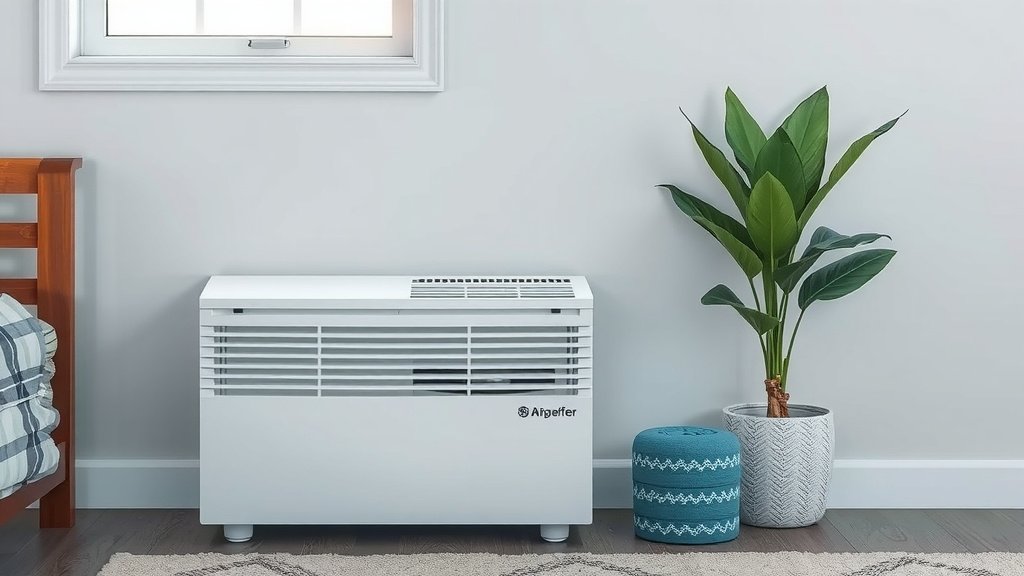
Making the Most of Your Air Purifier’s Schedule
To get the best results from your air purifier, consider creating a schedule. This doesn’t have to be rigid, but having a plan can ensure you’re getting the most bang for your buck and the cleanest air possible.
- Morning Boost: Run it longer in the morning as you get ready for the day, especially if you have allergies.
- Kitchen Duty: Turn it on before and after cooking smoky or strong-smelling meals.
- Evening Refresh: Ensure it’s running in your bedroom while you sleep for a restful night.
- Pet Zones: Dedicate extra run time in areas where your pets frequent.
- High-Pollution Alerts: Activate continuous mode when outdoor air quality is poor.
By understanding your air purifier’s capabilities and your home’s unique needs, you can create a run time strategy that works for you. It’s all about breathing easier and enjoying a healthier home environment.
Conclusion
You’ve learned that running your air purifier continuously (24/7) often provides the cleanest air, especially for allergies or pollution. If that’s not possible, aiming for at least 12 hours a day is a solid alternative. Remember to adjust based on your home’s specific needs, like cooking, pets, or seasonal changes. By understanding these factors, you can create a personalized schedule. Start by assessing your home’s air quality concerns today and set your air purifier to match!
Frequently Asked Questions
Will running my air purifier 24/7 increase my electricity bill significantly?
Modern air purifiers are designed to be energy efficient. Many units cost less than a dollar a day to run continuously. Check your model’s energy star rating and its wattage to get a clearer idea of potential costs.
Can I just turn on my air purifier when I notice dust or smells?
While situational use helps with immediate issues like cooking odors, it’s less effective for ongoing problems like dust or allergens. For consistent air quality improvement, longer or continuous run times are generally recommended.
How do I know if my air purifier is the right size for my room?
Check the manufacturer’s recommendations for room size coverage and the unit’s CADR (Clean Air Delivery Rate). If your purifier is undersized for the space, you’ll likely need to run it longer to achieve the same air cleaning results.
Is it okay to turn off my air purifier when I leave the house?
You can turn it off to save energy if you’re away for extended periods, especially if air quality isn’t a major concern. However, if you have allergies or pets, leaving it on can help keep pollutant levels down consistently, especially if you have a shorter commute or return quickly.
Should I run my air purifier on a higher setting for more effective cleaning?
A higher setting will clean the air faster, but it also uses more energy and can be louder. For continuous operation, a medium or low setting is often sufficient and more economical. You can use higher settings for short bursts when dealing with strong odors or smoke.

![5 Best Air Purifier for Home Gym [In 2026]](https://homeunderstandable.com/wp-content/uploads/2025/06/best-air-purifier-for-home-gym.jpg)