How to Clean Your Dyson Air Purifier Filter
The easiest way to clean your Dyson air purifier filter is by washing it gently under cool running water. You should aim to do this every 12 months, or when your Dyson machine indicates it’s time. This simple step helps maintain optimal air quality in your home.
Keeping your Dyson air purifier clean is key to its performance. A clogged filter can reduce airflow and make the machine work harder. Regularly cleaning your filter ensures you’re always breathing the cleanest air possible. It also helps extend the life of your appliance.
- Gently wash the filter.
- Use cool running water.
- Clean it about once a year.
- Dry it completely before reinserting.
Let’s walk through exactly how to clean your Dyson air purifier filter step by step. You’ll be amazed at how easy it is!
You’re ready to give your Dyson air purifier some TLC! It’s a simple process that makes a big difference. Let’s get that filter sparkling clean so you can breathe easy.
How to Refresh Your Dyson Air Purifier’s Filter
Cleaning your Dyson air purifier filter is easier than you might think. You just need a little water and some patience. This routine maintenance helps keep your home’s air fresh and clean. It’s a small step for a healthier environment.
When Should You Clean Your Filter?
Your Dyson machine is smart. It will usually tell you when it’s time for a clean. Most models have a built-in sensor. This sensor monitors filter performance. It will typically alert you after about 12 months of use. This timeframe can vary. It depends on how often you run your purifier. It also depends on the air quality in your home.
For example, if you live in a city with higher pollution levels, you might need to clean it sooner. If you have pets that shed a lot, that can also affect it. Always check your Dyson’s display for specific notifications. It’s like your purifier is saying, “Hey, a little help over here, please!”
Gather Your Supplies
You don’t need a lot of fancy cleaners. Just a few simple items will do the trick:
- Your Dyson air purifier
- A clean, dry cloth (microfiber works well)
- Access to a sink or shower
- A well-ventilated space for drying
Step-by-Step Filter Cleaning Guide
Let’s dive into the actual cleaning process. We’ll break it down into easy-to-follow steps. You’ll have your purifier ready to go in no time.
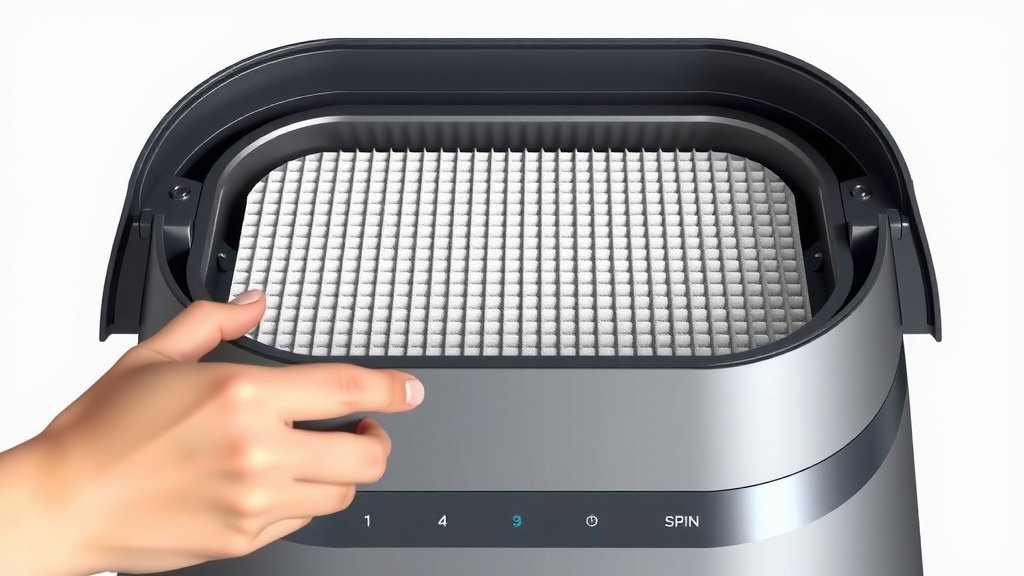
Step 1: Locate and Remove the Filter
First, you need to get to the filter. Most Dyson air purifiers have a filter compartment at the base. You’ll typically twist a part of the machine to release it. Consult your Dyson’s user manual if you’re unsure. Every model can be a little different. Once you’ve opened the compartment, gently pull the filter out.
Handle it with care. You don’t want to damage the delicate filter material. Most Dyson filters are designed as a single unit. This makes removal and reinsertion straightforward. Think of it like taking out a treasured photograph from a frame.
Step 2: Rinse the Filter Under Cool Water
This is the main event! Take the filter to your sink or shower. Run it under cool, clean water. You want a gentle flow. Avoid using hot water. Hot water can damage the filter material. It can warp the plastic housing too. You’re aiming to wash away the trapped dust and debris.
Move the filter around. Make sure water flows through all parts of it. You might see a lot of murky water running off. That’s a good sign! It means the filter was indeed holding onto a lot of pollutants. Many experts suggest this method for its effectiveness and simplicity (CDC).
Some people wonder if they can use soap. Generally, it’s best to avoid soap or detergents. They can leave a residue. This residue might affect the air quality your purifier produces. Stick to plain water for the best results. It’s like washing your favorite sweater; you wouldn’t use harsh chemicals, right?
Step 3: Gently Shake Off Excess Water
Once you’ve rinsed it thoroughly, give the filter a gentle shake. This helps remove the bulk of the water. You don’t need to wring it out or squeeze it hard. Remember, it’s delicate. Just a few gentle shakes should do the trick. You’ll see a lot more water drip away.
This step is important. The less water remaining, the faster it will dry. And faster drying means you get back to breathing clean air sooner. Nobody likes waiting longer than necessary for fresh air!
Step 4: Allow the Filter to Dry Completely
This is perhaps the most critical step. Your filter must be completely dry before you put it back in your Dyson. Placing a damp filter back into the machine can lead to mold and mildew growth. That’s the exact opposite of what you want! You’ll also risk damaging the purifier’s electronics.
Find a well-ventilated spot. Place the filter upright, if possible. Let it air dry naturally. This process can take 12 to 24 hours. The exact time depends on your environment’s humidity and airflow. Be patient! It’s better to wait a little longer than to risk putting a damp filter back.
We found that placing it near an open window on a dry day speeds things up. Just make sure it’s out of direct sunlight. Prolonged sun exposure can sometimes degrade materials. Think of it like letting a cast iron skillet dry completely after washing – patience pays off.
Step 5: Reinsert the Clean, Dry Filter
Once you are absolutely sure the filter is bone dry, it’s time to reinsert it. Carefully place the dry filter back into its housing. Make sure it sits snugly. Then, reattach any parts you removed to access it. You might need to twist something back into place to secure it.
Your Dyson purifier should recognize the filter has been reinstalled. Some models might prompt you to reset the filter life indicator. Check your machine’s display or user manual for these instructions. And voilà! Your purifier is ready to get back to work, cleaning your air.
What About HEPA Filters and Carbon Filters?
Many Dyson air purifiers use a combination filter. This often includes a HEPA layer and an activated carbon layer. The HEPA part captures tiny particles. The carbon part absorbs gases and odors. The cleaning method described above works for most of these integrated filters.
We found that Dyson’s design generally makes these combination filters washable. However, it’s always wise to double-check your specific model’s manual. Some older or specialized filters might have different care instructions. For instance, some truly disposable filters might not be meant for washing. Always defer to your manufacturer’s guidelines.
Can You Vacuum Your Dyson Filter?
While it might seem like a good idea, vacuuming your filter is generally not recommended. The fine dust and particles can get deeply embedded. Using a vacuum cleaner might not effectively remove them. In fact, it could potentially push them further into the filter material. This could make the filter less efficient over time.
Washing under cool water is the most effective method for deep cleaning. It flushes out those stubborn particles that vacuuming might miss. Think of it as the difference between sweeping a dusty floor and mopping it. Mopping gets the really fine stuff.
When is it Time for a New Filter?
Even with regular cleaning, filters don’t last forever. After a few washes, or typically after 2-5 years of use, you might notice a decline in performance. Your Dyson machine might start giving you more frequent alerts. You might also notice that odors aren’t being removed as effectively.
If your filter looks visibly damaged—torn, misshapen, or heavily discolored—it’s time for a replacement. Dyson recommends replacing filters periodically. Check your manual for the estimated lifespan of your specific filter. Investing in a new filter ensures your purifier continues to operate at its best. It’s like giving your car new tires; it keeps everything running smoothly.
Quick Filter Cleaning Checklist:
- Turn off and unplug your Dyson purifier.
- Carefully remove the filter unit.
- Rinse thoroughly with cool, running water only.
- Gently shake off excess water.
- Allow to air dry completely (12-24 hours).
- Reinsert only when fully dry.
Conclusion
You’ve learned that keeping your Dyson air purifier’s filter clean is a simple yet effective way to ensure you’re breathing the best possible air. By following the steps of gentle rinsing and thorough drying, you’re extending the life of your machine and its performance. Remember, your Dyson will likely tell you when it’s time for a refresh, usually around the 12-month mark.
Don’t skip this vital maintenance. It’s a small effort for a significant return in air quality. Ready to give your purifier a spa day? Get that filter washed and dried!
Frequently Asked Questions
How often should I really be cleaning my Dyson air purifier filter?
Your Dyson machine has sensors that usually alert you after about 12 months of use. However, this can change based on your home’s air quality and how often you run the purifier. If you have pets or live in a polluted area, you might need to clean it sooner.
Can I use soap or any cleaning solutions on my Dyson filter?
It’s best to avoid soap and detergents. We found that plain, cool running water is most effective for cleaning. Harsh chemicals or soaps can leave residue that might impact the air quality your purifier delivers.
What’s the best way to dry the filter after washing?
After gently shaking off excess water, you must let the filter air dry completely in a well-ventilated area. This usually takes 12 to 24 hours. Patience is key here; a completely dry filter prevents mold and protects your machine’s electronics.
My Dyson filter looks a bit dirty even after washing, should I be worried?
A bit of lingering discoloration after washing can be normal, especially if the filter was very dirty. However, if the filter appears visibly damaged, torn, or misshapen, or if you notice a significant drop in performance, it might be time to consider replacing it.
Can I speed up the drying process for my Dyson filter?
While patience is recommended, placing the filter upright in a well-ventilated spot, perhaps near an open window on a dry day, can help. Avoid direct sunlight, as it can sometimes degrade the filter material over time. Your primary goal is ensuring it’s bone dry.