Combat Air Pollution Indoors: Easy Purification Tips
You can purify your air pollution by combining indoor and outdoor strategies. Simple changes can significantly improve your air quality. Focusing on reducing pollutants at their source is key. We found that a multi-pronged approach works best for cleaner air in your home and surroundings.
Dealing with air pollution means tackling both what comes from outside and what you create inside. Many everyday activities can release particles into the air. Understanding these sources helps you take effective steps to reduce your exposure and create a healthier living space for you and your loved ones.
- Reduce outdoor pollutants like car exhaust.
- Control indoor sources like cooking fumes.
- Use air purifiers and plants.
- Improve ventilation in your home.
- Maintain your HVAC system regularly.
Let’s walk through exactly how you can purify your air pollution, step by step.
Making Your Home Air Cleaner
Breathing clean air is essential for your health. You can take steps to purify the air inside your home. Many common household items and activities can affect indoor air quality. We found that focusing on these sources makes a big difference.
Control Indoor Pollutant Sources
Your home might be introducing pollutants without you even knowing it. Simple changes can greatly reduce these indoor sources. Let’s look at where they come from and how to stop them.
Cooking and Cleaning Chemicals
When you cook, especially with gas stoves, you release pollutants. These can include nitrogen dioxide and fine particulate matter. We found that using a good range hood that vents outside is very effective. If you don’t have one, open a window while you cook. For cleaning, many products contain volatile organic compounds (VOCs). These can irritate your lungs and eyes. Look for fragrance-free and natural cleaning options whenever possible. Even scented candles and air fresheners can release VOCs. Try to skip them or choose natural alternatives like essential oils diffused sparingly.
Pet Dander and Dust Mites
Pets are family, but their dander can impact air quality. Dust mites also love to make their homes in bedding and carpets. Regular cleaning is key here. Vacuum frequently with a vacuum cleaner that has a HEPA filter. This traps tiny particles instead of just blowing them around. Wash your pet’s bedding often. For your own bedding, wash sheets and pillowcases in hot water weekly. This helps kill dust mites. You can also use allergen-proof covers on mattresses and pillows.
Mold and Moisture
Mold thrives in damp environments. It releases spores into the air, which can cause allergies and respiratory problems. Check for leaks under sinks, around windows, and in bathrooms. Fix any water damage promptly. Use exhaust fans in bathrooms and kitchens to remove moisture. Aim to keep humidity levels between 30% and 50%. A dehumidifier can help in very humid areas.
Air Purification Tools and Techniques
Beyond reducing sources, you can actively clean the air. There are several effective tools and methods available. We found that a combination often works best.
Air Purifiers
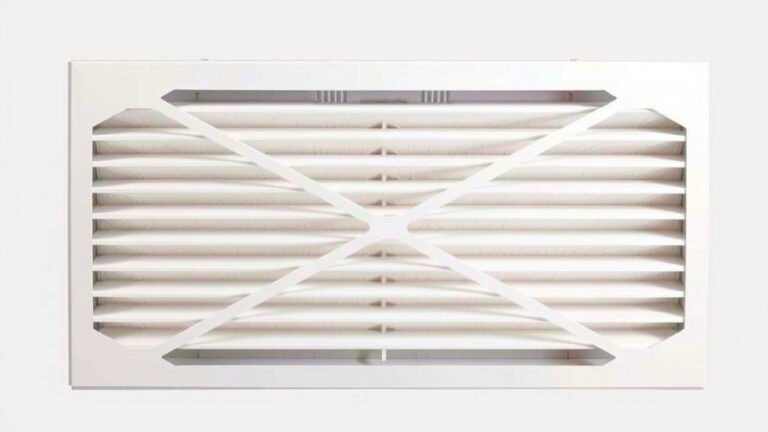
Air purifiers can be a big help. Look for purifiers with HEPA filters. These are designed to capture 99.97% of particles as small as 0.3 microns. This includes dust, pollen, pet dander, and mold spores. Activated carbon filters are also good for removing odors and some gases. Place them in rooms where you spend the most time, like bedrooms or living areas. Make sure to change the filters according to the manufacturer’s instructions. A dirty filter can become a source of pollution itself!
Houseplants
While not a replacement for air purifiers, certain houseplants can help. They absorb some pollutants from the air through their leaves and soil. Research has shown that plants like the snake plant, spider plant, and peace lily can remove toxins like formaldehyde and benzene (NASA Clean Air Study). They also add a nice touch of green to your home. Just remember to water them properly and avoid overwatering, which can lead to mold growth in the soil.
Ventilation Strategies
Getting fresh air into your home is vital. It dilutes indoor pollutants and brings in oxygen. But you don’t want to let in outdoor smog or pollen. It’s about smart ventilation.
Opening Windows Wisely
On days when outdoor air quality is good, open your windows. This is a simple way to exchange stale indoor air for fresh outdoor air. Early mornings or late evenings are often better times. Avoid opening windows during peak traffic hours or when air quality alerts are in effect. We found that even a few minutes of cross-ventilation can make a difference. Open windows on opposite sides of your house to create a breeze.
Mechanical Ventilation Systems
Some homes have mechanical ventilation systems, like heat or energy recovery ventilators (HRVs/ERVs). These systems bring in fresh air and exhaust stale air. They can also pre-condition the incoming air, saving energy. If you have one, ensure it’s properly maintained and filters are changed regularly. These systems are very effective for continuous air exchange.
Addressing Outdoor Air Pollution
What happens outside your home also affects your air. You can take steps to minimize your exposure to outdoor pollutants.
Reducing Vehicle Emissions
Car exhaust is a major source of outdoor air pollution. Try to reduce your reliance on cars when possible. Walk, bike, or use public transportation for shorter trips. If you drive, keep your car well-maintained. Proper tire inflation and regular tune-ups improve fuel efficiency and reduce emissions. Consider carpooling or electric vehicles if you’re in the market for a new car.
Managing Yard Waste and Smog Days
Burning leaves or trash releases harmful smoke into the air. Many communities ban this practice for good reason. Find out about local composting and disposal options. During periods of high smog or pollution, stay indoors as much as possible. If you must go out, wear a mask that is rated for particulate matter (like an N95 mask). You can check local air quality indexes online or through apps.
Checklist for Cleaner Air:
- Run your range hood while cooking.
- Use natural or fragrance-free cleaning products.
- Vacuum regularly with a HEPA filter.
- Fix any leaks or signs of moisture promptly.
- Change air purifier filters on schedule.
- Open windows on days with good outdoor air quality.
Conclusion
You’ve learned that purifying your air involves a smart mix of controlling indoor sources and managing outdoor exposure. Remember, small steps add up for cleaner air. By focusing on reducing pollutants where they start, using air cleaning tools, and ventilating wisely, you can make a real difference. Start today by picking one new habit from this guide to implement in your home. Your lungs will thank you for it!
Frequently Asked Questions
How often should I replace my air purifier filters?
You should replace your air purifier filters according to the manufacturer’s recommendations. This is typically every 6 to 12 months, depending on the filter type and your air quality. Dirty filters become less effective and can even recirculate pollutants.
Are houseplants really effective at purifying air?
While houseplants can offer some air-purifying benefits, they are not a substitute for proper ventilation or air purifiers. Research suggests they can help remove certain toxins, but you would need a very large number of plants to significantly impact indoor air quality.
What’s the best way to reduce indoor cooking fumes?
The most effective way to reduce indoor cooking fumes is to use a range hood that vents to the outside whenever you cook. If that’s not an option, open a window to allow fumes and moisture to escape.
Can opening windows make my air pollution worse?
Yes, opening windows can introduce outdoor air pollution if the outdoor air quality is poor. It’s best to check your local air quality index. Open windows on days when the air outside is clean to exchange stale indoor air.
What is the difference between a HEPA filter and an activated carbon filter?
A HEPA filter is designed to capture tiny physical particles like dust, pollen, and pet dander. An activated carbon filter, on the other hand, is better at absorbing gases, odors, and VOCs (volatile organic compounds) from the air.

![What Is The Best Hepa Filter Air Purifier for Bedroom [In 2026]](https://homeunderstandable.com/wp-content/uploads/2025/05/best-hepa-filter-air-purifier-for-bedroom-top-picks-for-clean-air-768x512.jpg)