
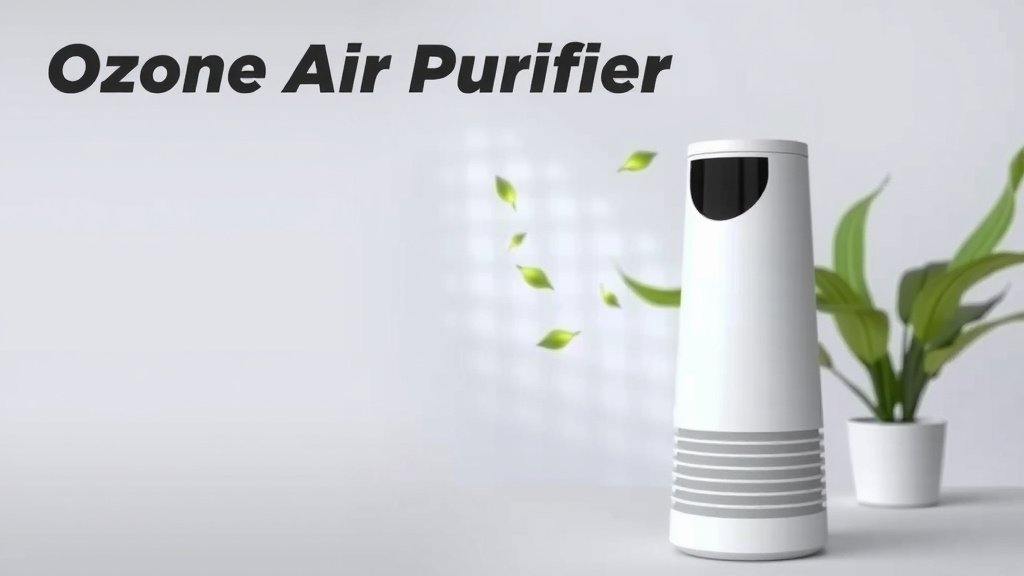
Ozone Air Purifier: How to Use it Safely & Effectively
Using an ozone air purifier is quite straightforward, but it requires understanding safe operation and proper placement. Essentially, you turn it on, set your desired level (if applicable), and let it work its magic. It’s important to remember ozone generators are best used in unoccupied spaces to avoid potential health risks associated with high ozone concentrations.
These devices work by releasing ozone molecules, a type of oxygen, into the air. Ozone can neutralize odors and kill bacteria, mold, and viruses. While effective, it’s crucial to follow the manufacturer’s instructions closely to ensure you’re using your ozone air purifier safely and efficiently to improve your home’s air quality.
- Ozone purifiers release ozone to clean air.
- Always use them in unoccupied rooms.
- Ventilate the space thoroughly after use.
- Follow manufacturer instructions for best results.
- Keep away from children and pets.
Ready to get your air smelling fresher and cleaner? Let’s walk through exactly how to use your ozone air purifier step by step to get the best and safest results.
Getting Started with Your Ozone Air Purifier
So, you’ve got a new ozone air purifier and you’re ready to tackle those lingering odors and stale air. That’s fantastic! Using one of these devices is pretty straightforward, but it does come with a few important considerations to keep you and your home safe. Think of it like using a strong cleaning product – you wouldn’t just spray it everywhere and walk away, right? Same principle here.
Understanding How Ozone Works
Before we dive into the “how-to,” let’s quickly touch on the “why.” Ozone (O3) is a molecule made of three oxygen atoms. When your purifier generates it, ozone works by oxidizing (essentially, breaking down) airborne contaminants. This can include odor molecules, mold spores, bacteria, and viruses. It’s a bit like a highly reactive cleaning agent for your air. Many sources point out that ozone can be effective against certain pollutants (National Institute of Environmental Health Sciences).
Safety First: The Unoccupied Room Rule
This is the absolute most critical rule. You should never be in a room while an ozone air purifier is running. Why? Because high concentrations of ozone can be harmful to your lungs and overall health. Research from the Environmental Protection Agency (EPA) indicates that even moderate levels can cause coughing, shortness of breath, and throat irritation. Pets and plants are also susceptible, so they need to be removed from the area too.
Why Unoccupied is Non-Negotiable
Imagine ozone as a very enthusiastic cleaner. It’s great at its job, but it doesn’t discriminate. It can break down things you don’t want broken down, including lung tissue. So, if you’re planning to use it in your basement, garage, or even a specific room, double-check that everyone and everything with lungs has been moved out. This includes your furry friends and your green companions.
Choosing the Right Area and Setting
Where you decide to run your purifier matters. Generally, you’ll want to use it in a space where you’ve identified a problem – perhaps a room with persistent pet odors, a damp basement, or after a smoky event. Most ozone generators are designed for intermittent use, not continuous operation like a standard HEPA filter. They are best for deep cleaning or tackling tough issues.
Understanding Your Unit’s Settings
Does your ozone air purifier have different settings? Some models allow you to adjust the ozone output or set timers. If yours does, consult your owner’s manual. A common approach is to use a higher setting for shorter periods to tackle strong odors, and a lower setting for longer durations to maintain freshness in a space before you re-enter it. For example, you might run it on high for 30 minutes in a very musty garage, but on low for an hour in a moderately stale guest room.
Your Step-by-Step Guide to Using an Ozone Air Purifier
Alright, ready to put it into action? Let’s break down the process. It’s simpler than you might think once you’ve got the safety precautions down.
Step 1: Prepare the Space
This is where you get everything ready. First, and we can’t stress this enough, remove all people, pets, and plants from the room or area where the purifier will be running. If you have any food items or sensitive materials that might be affected by ozone, it’s wise to remove those too. Think of it as a mini-evacuation for your air quality project.
Step 2: Place the Purifier Correctly
Position your ozone air purifier in the center of the space if possible. This allows for better circulation of the ozone throughout the room. Avoid placing it directly against walls or furniture, as this can obstruct airflow. Ensure it’s on a stable, flat surface and that the power cord isn’t a tripping hazard.
Step 3: Set and Activate the Purifier
Now it’s time to turn it on! Plug in your unit and select your desired settings, whether that’s a specific timer duration or an ozone output level. Once set, start the machine. Remember, you need to leave the area immediately after starting it.
Step 4: Allow the Purifier to Run
Let the unit do its work for the duration you’ve set. During this time, the ozone is actively oxidizing contaminants in the air. It’s a good opportunity for you to grab a coffee or do some other tasks outside of the treatment area.
Step 5: Ventilate Thoroughly After Use
This is just as important as the initial removal of occupants. Once the purifier has finished its cycle (or you’ve turned it off), you must ventilate the room. Open windows and doors to allow fresh air to circulate. Let the room air out for at least 30 minutes to an hour, or even longer if possible. The goal is to bring the ozone levels back down to safe concentrations. Many guidelines suggest waiting until the ozone smell has dissipated significantly (California Air Resources Board).
Step 6: Return to the Room and Enjoy
After adequate ventilation, you can safely re-enter the room. You should notice a significant reduction in odors and a fresher feel to the air. It’s like the room has had a deep, clean breath!
A Quick Checklist for Safe Operation
To make things even easier, here’s a handy checklist:
- Remove all living things (people, pets) and plants.
- Close doors and windows before starting.
- Place purifier centrally for best airflow.
- Set timer or output level per manual.
- Leave the area immediately after turning it on.
- Ventilate extensively after the cycle finishes.
Conclusion
You’ve learned how to safely and effectively use your ozone air purifier. Remember, the golden rule is to always operate it in unoccupied spaces. By following the simple steps of preparing the room, placing the purifier correctly, running the cycle, and ventilating thoroughly afterward, you can tackle tough odors and improve your air quality.
Take a moment to review the checklist before each use. Your commitment to these safe practices ensures you’ll enjoy fresher, cleaner air in your home. Ready to experience the difference? Start your air purification journey today!
Frequently Asked Questions
Can I use an ozone air purifier in a room while people are sleeping?
No, you absolutely should not use an ozone air purifier in a room while people, pets, or plants are present. High concentrations of ozone can be harmful to your respiratory system. Always ensure the area is completely vacated before turning on the unit.
How long should I ventilate a room after using an ozone air purifier?
After the purification cycle is complete, you need to thoroughly ventilate the treated space. Open windows and doors to allow fresh air to circulate for at least 30 minutes to an hour, or until any ozone smell has dissipated. This ensures ozone levels return to safe limits.
Are ozone air purifiers safe for everyday use like a HEPA filter?
Ozone air purifiers are generally not designed for continuous, everyday use in occupied spaces. They are best suited for intermittent, deep cleaning tasks or tackling specific, persistent odor problems. Regular HEPA filters are better for continuous air purification.
What kinds of odors are ozone air purifiers best at removing?
Ozone generators are highly effective at neutralizing strong, stubborn odors. This includes smells from smoke (fire or tobacco), pet odors, mildew, mold, and strong cooking smells. They work by oxidizing the odor-causing molecules in the air.
Can I leave food or sensitive items in a room when running an ozone air purifier?
It’s best to remove food items and any materials sensitive to oxidation from the room before running an ozone air purifier. Ozone can break down organic compounds and potentially damage certain materials, fabrics, or finishes over time. Always check your unit’s manual for specific recommendations.
![What Is The Best Mattress For Daybed With Trundle [In 2026]](https://homeunderstandable.com/wp-content/uploads/2025/12/Best-Mattress-For-Daybed-With-Trundle-1.jpg)
