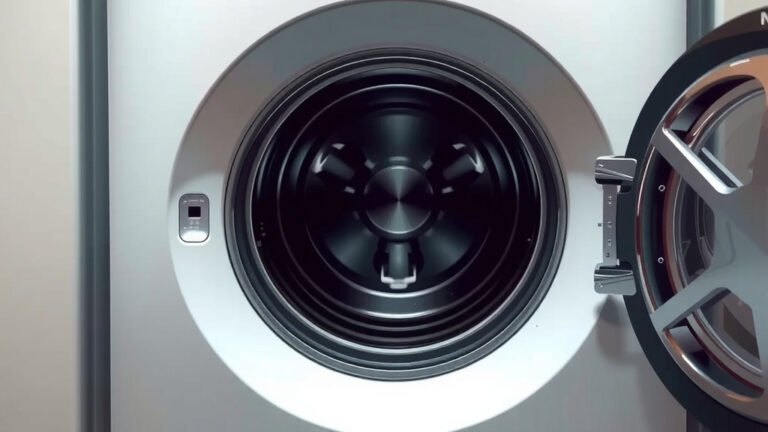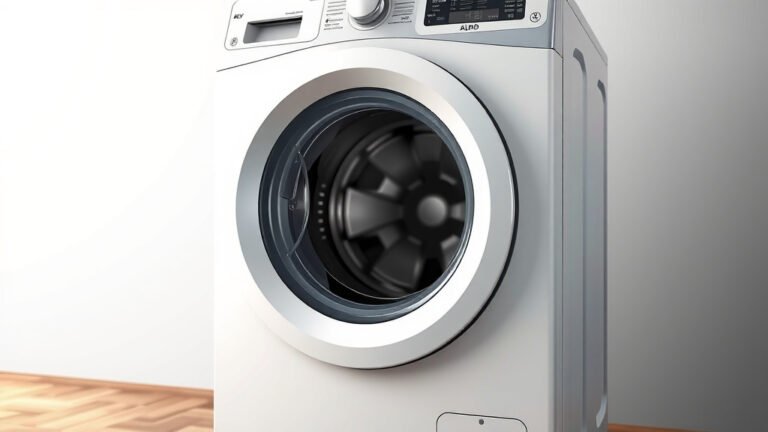
Master Your Front Load Washer: Simple Laundry Steps
Washing clothes in a front-load washer is quite straightforward once you get the hang of it. You’ll want to sort your laundry by color and fabric type, add a high-efficiency detergent to the dispenser, and select the appropriate wash cycle and temperature. It’s designed to be gentle on your clothes and use less water than older models.
Many people wonder about specific settings or detergent amounts. Front-load machines often have special cycles for delicates, bulky items, or even sanitizing. Using the right type of detergent, specifically HE (High Efficiency), is key to preventing excess suds and ensuring your machine runs efficiently. Proper loading also helps your clothes get clean without damage.
- Sort clothes by color and fabric.
- Use only HE detergent.
- Don’t overfill the drum.
- Choose the right cycle and temperature.
- Clean your washer regularly.
Let’s walk through exactly how to get your laundry sparkling clean with your front-load washer, step by step.
Getting Your Laundry Done in a Front-Load Washer
So, you’ve got a sleek front-load washer and you’re ready to tackle that laundry pile. It’s a bit different from the top-loaders you might be used to, but don’t worry, it’s actually pretty simple! We’ll guide you through each step to ensure your clothes come out fresh and clean, and your machine stays in top shape.
The Magic of HE Detergent
The first thing to know about front-load washers is that they require a special kind of soap. You absolutely *must* use High Efficiency (HE) detergent. Why? These machines use much less water than older models. Regular detergents create too many suds, which can actually hinder the cleaning process and even damage your washer over time. Many experts suggest HE detergents prevent excessive buildup and ensure your machine runs efficiently (Consumer Reports).
Choosing the Right HE Detergent
HE detergents come in liquid, powder, and pod forms. For front-loaders, liquids and pods are often preferred because they dissolve easily. Make sure the packaging clearly says “HE” on it. If you’re unsure, check your washer’s manual. It’s a small detail that makes a big difference in getting your clothes clean.
Loading Your Front-Load Washer Correctly
Loading your washer properly is more important than you might think. It affects how well your clothes get cleaned and how balanced the machine is during the spin cycle. Overloading is a common mistake that can lead to dingy clothes and a stressed-out washer.
Don’t Pack It Too Tight!
Think of loading your front-load washer like packing a suitcase for a trip. You want to fit things in, but you don’t want to cram them so tightly that they can’t move. You should be able to easily place your hand vertically into the drum after you’ve loaded your clothes. This allows your garments enough space to tumble and agitate effectively. Many appliance manufacturers recommend leaving about 20% of the drum empty. This is key for thorough cleaning.
Separating is Caring (for Your Clothes)
Just like in any washing machine, sorting your laundry is a must. Separate your clothes into lights, darks, and colors. This prevents colors from bleeding onto lighter fabrics. You’ll also want to consider fabric types. Washing delicate items like silk or lace separately from sturdy towels or jeans helps prevent damage. Check the care labels on your garments for specific washing instructions.
Understanding Your Washer’s Settings
Front-load washers come with a variety of cycles and options. Knowing what each one does can help you get the best results for your laundry. Don’t let all those buttons intimidate you; they’re there to help!
Common Wash Cycles and What They’re For
Let’s break down some of the most common cycles you’ll find:
- Normal/Cotton: This is your go-to for everyday laundry like t-shirts, jeans, and towels. It offers a good balance of cleaning power and gentleness.
- Delicates/Hand Wash: Use this for items that need extra gentle care, like lingerie, blouses, or anything made of delicate fabrics. It uses less agitation and a slower spin speed.
- Permanent Press/Synthetics: Great for synthetic fabrics like polyester or blends. It uses a medium agitation and a cool-down rinse to help reduce wrinkles.
- Heavy Duty/Whites: For heavily soiled items or sturdy whites that can handle a more vigorous wash.
- Quick Wash/Speed Wash: For small loads that aren’t too dirty. It’s a time-saver for when you’re in a pinch.
- Sanitize: Many machines have this cycle, which uses very hot water to kill bacteria and allergens. It’s good for bedding or items that might harbor germs (CDC recommends hot water for sanitizing).
Temperature Matters
Selecting the right water temperature is crucial for effective cleaning and fabric care. Here’s a quick guide:
| Temperature | Best For | Considerations |
|---|---|---|
| Hot | Whites, durable colors, heavily soiled items, sanitizing. | Can cause colors to fade or fabrics to shrink. Use with caution. |
| Warm | Moderately soiled items, permanent press, most everyday clothing. | A good all-around temperature that balances cleaning and fabric care. |
| Cold | Delicates, dark colors, lightly soiled items, energy saving. | Helps prevent shrinking and fading. May not remove tough stains. |
Always check garment care labels before choosing a temperature. When in doubt, use cold water. It’s the most energy-efficient choice and the kindest to most fabrics.
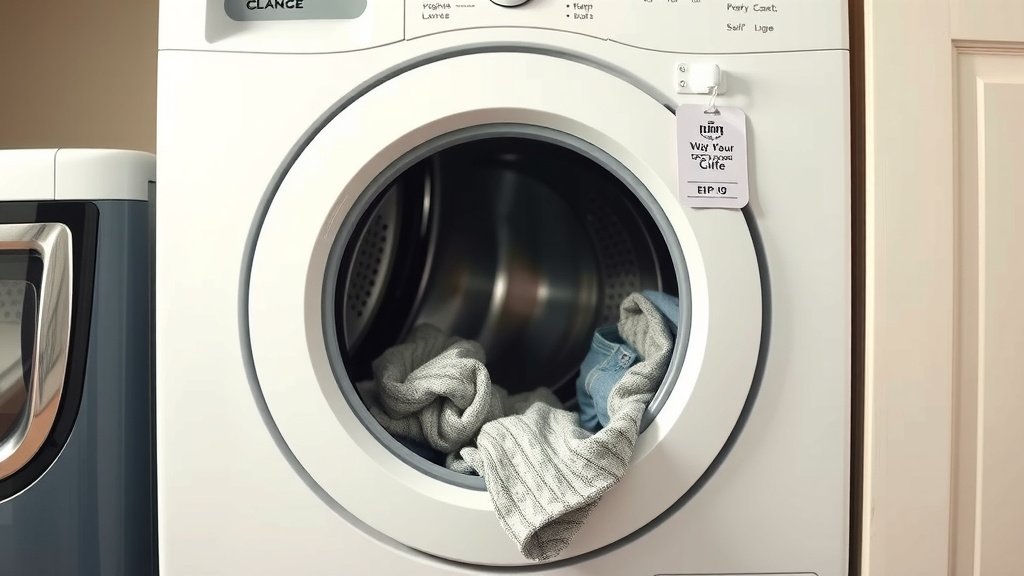
Adding Detergent and Other Products
Where and how much detergent you add is important for a good wash. Your front-loader has specific compartments for different products.
Locating the Detergent Drawer
Most front-load washers have a pull-out drawer, usually located at the top left. This drawer typically has separate compartments. You’ll usually see markings like “I,” “II,” and a symbol for fabric softener. Compartment “II” is for your main wash detergent. Compartment “I” is for pre-wash detergent if your cycle includes one. The symbol compartment is for fabric softener, which should be added last.
How Much Detergent?
This is where many people get it wrong. Since HE machines use less water, you need much less detergent. Check the detergent’s packaging for HE machine guidelines. Most brands recommend using about 1-2 tablespoons of liquid HE detergent for a normal load. Using too much can lead to residue on your clothes and damage your machine. If you see excessive suds, you’re likely using too much.
The Wash Cycle in Action
Once you’ve sorted, loaded, and added your detergent, it’s time to start. Select your chosen cycle and temperature, then press the start button. You’ll notice that front-loaders operate differently than top-loaders. They typically tumble clothes from the top of the drum down through the water at the bottom. This action is very effective for cleaning and uses less water.
What to Expect During the Spin
The spin cycle is where your washer extracts as much water as possible. Front-loaders often have higher spin speeds than top-loaders, which means your clothes will come out less damp, drying faster. You might hear some noises during the spin cycle, especially if the load is unbalanced. If you hear a very loud thumping, it’s worth pausing the machine and redistributing the load.
A Quick Checklist for Your Next Wash
To make sure you’re on the right track every time, keep this simple checklist handy:
- Sort all laundry by color and fabric type.
- Use only HE detergent – check the label!
- Load the drum loosely, about 2/3 full.
- Select the appropriate wash cycle and water temperature.
- Add the correct amount of detergent to the designated dispenser.
- Press start and let the machine do its magic!
Conclusion
You’ve now got a solid understanding of how to get the best results from your front-load washer. Remember to always use HE detergent, load your machine correctly without overfilling, and select the right cycle and temperature for your garments. Following these simple steps ensures your clothes come out cleaner and your washer runs efficiently for years to come. Take a moment to review your washer’s manual for any specific recommendations, and you’ll be a front-load pro in no time!
Frequently Asked Questions
Can I use regular detergent in my front-load washer?
No, you should not use regular detergent in your front-load washer. These machines use much less water, and regular detergents create too many suds. Excess suds can hinder cleaning, leave residue on your clothes, and potentially damage your washing machine over time. Always opt for High Efficiency (HE) detergent.
How much detergent should I actually use?
The amount of HE detergent you need is surprisingly small, typically only 1-2 tablespoons for a standard load. Always check the detergent packaging for specific HE machine guidelines, as brands vary. Using too much is a common mistake that can lead to poor rinsing and machine issues.
Why is leaving space in the drum important?
Leaving about 20% of the drum empty allows your clothes enough room to tumble and agitate properly during the wash cycle. If the drum is too full, clothes won’t move freely, leading to less effective cleaning and potentially causing snags or tears on your garments.
My front-load washer is making a loud thumping noise during the spin cycle. What should I do?
A loud thumping during the spin cycle usually means the load is unbalanced. Pause the machine and open the door. Rearrange the items in the drum so they are more evenly distributed, especially heavier items like towels or jeans. Then, resume the cycle.
How often should I clean my front-load washer?
It’s a good idea to clean your front-load washer every 1-2 months to prevent soap scum, mold, and odors. You can use a washing machine cleaner or a simple mixture of white vinegar and baking soda. Run a hot water cycle with the cleaner or vinegar, and then a rinse cycle with baking soda to keep it fresh.