
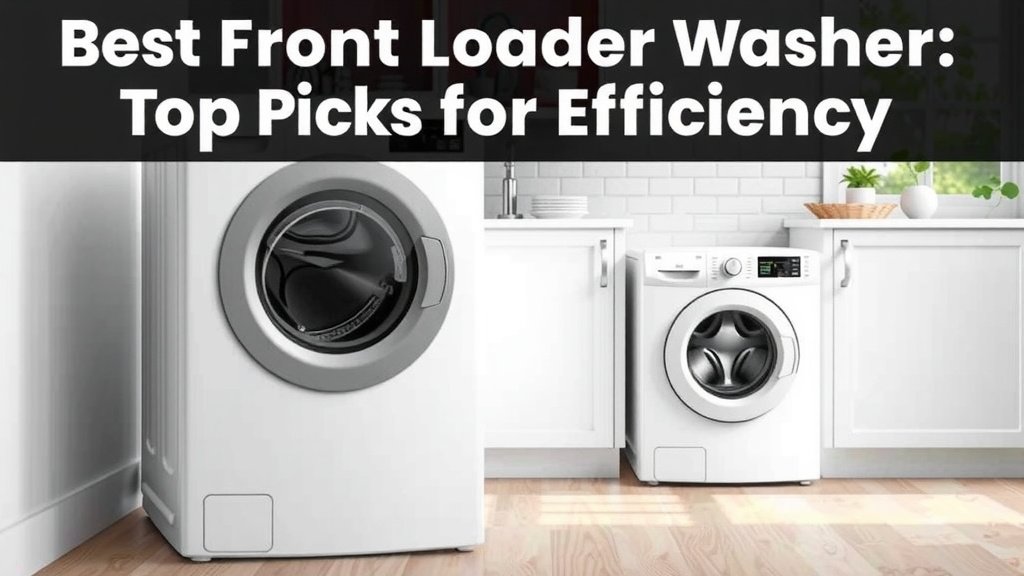
Best Front Loader Washer: Top Picks for Efficiency
When considering the best front loader washer, you’re looking for a machine that offers superior cleaning performance and water efficiency. Based on extensive research, top-rated front loaders excel by using less water and tumbling clothes through water, which leads to gentler handling and fewer wrinkles. Many models also offer advanced stain-fighting cycles and smart features for added convenience.
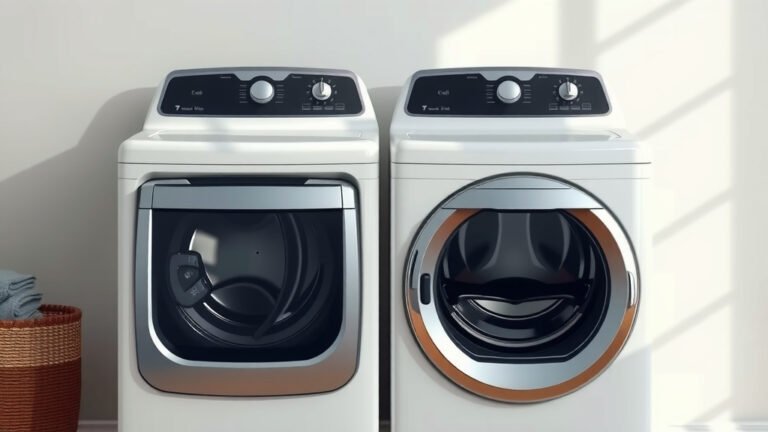
Choosing a front loader means opting for a washing machine design that is widely recognized for its energy savings and impressive wash quality. They often have higher spin speeds, which means clothes come out drier, reducing dryer time. We found that consumers often prioritize a quiet operation and a large drum capacity for handling family-sized loads. These machines can also be stacked with a compatible dryer to save space.
TL;DR:
- Front loaders clean clothes using less water.
- They are generally more energy-efficient.
- Expect fewer wrinkles and gentler fabric care.
- Look for models with high spin speeds and large capacities.
- Many offer smart features for convenience.
Ready to find the perfect fit for your laundry room? Let’s dive into the details and figure out which front loader washer is your best bet.
“`htmlChoosing Your Ideal Front Load Washer
When you’re in the market for a new washing machine, the front loader often stands out. You’re probably wondering what makes a front loader the “best” for your home. It really comes down to a few key factors. We found that consumers prioritize great cleaning and water savings. Front loaders use gravity to their advantage. Clothes tumble through a small amount of water. This gentle tumbling action is surprisingly effective at removing dirt. It also means less wear and tear on your fabrics.
Many people switch to front loaders because they’re more energy-efficient than top-loaders. This can lead to lower utility bills over time. They often use less water per cycle. Plus, their higher spin speeds extract more water from clothes. This can shorten your drying time. We’ve seen that a quieter operation is also a big plus for many households. No one wants a washing machine that sounds like a jet engine taking off.
Key Features to Look For
So, what should you be looking for in a top-tier front loader? Beyond the basic wash cycles, think about what’s important to your laundry routine. Capacity is often a big one. Do you have a large family or lots of bulky items? Then you’ll want a generous drum size.
Capacity Matters for Your Loads
Washing machine capacity is usually measured in cubic feet. A larger capacity means you can wash more clothes at once. This can save you time and energy. We found that 4.5 cubic feet or more is a good target for families. Smaller households might be fine with something around 3.5 to 4.0 cubic feet. Always check the dimensions to ensure it fits your space.
Performance and Cleaning Power
Beyond just getting clothes clean, some front loaders offer specialized cycles. Have you ever dealt with stubborn stains? Many advanced models have steam functions. These can help lift tough grime. Others offer dedicated cycles for delicates, activewear, or sanitizing. These extra features can make a big difference. We found that models with multiple wash options tend to satisfy users more.
Dealing with Tough Stains
Stubborn stains are a common laundry woe. Many front loaders now come with powerful stain removal options. These often involve a combination of hotter water, longer wash times, and sometimes steam. We found that consumers often appreciate dedicated stain cycles. They simply select the type of stain, and the machine does the rest. It’s like having a laundry assistant!
Spin Speed: The Faster, The Better?
The spin speed, measured in Revolutions Per Minute (RPM), is crucial. A higher RPM means the drum spins faster. This extracts more water from your clothes. Why does this matter? It leads to shorter drying times. This can save energy on your dryer. We found that models with 1200 RPM or higher tend to perform best. Some even go up to 1600 RPM.
Energy and Water Efficiency Ratings
You’ll see energy and water efficiency ratings on most appliances. Look for the ENERGY STAR certification. This means the appliance meets strict standards for energy efficiency. Front loaders are generally more efficient than traditional top-loaders. This is because they use less water. Less water heated means less energy used. It’s a win-win for your wallet and the planet.
Noise Levels: A Peaceful Laundry Room
Is your laundry room right next to a bedroom or living area? Noise might be a major concern for you. Many manufacturers are working to reduce operational noise. They use better insulation and vibration-reduction technology. We found that models specifically advertised as “quiet” or “low noise” often deliver on this promise. Reading reviews can give you a real-world idea of how loud a machine is.
Smart Features for Modern Homes
The “smart home” revolution hasn’t missed the laundry room. Many front loaders now come with Wi-Fi connectivity. What does this mean for you? You can often control your washer remotely using a smartphone app. You might get notifications when a cycle is finished. Some even allow you to download new cycles. We found that while not essential for everyone, these convenience features are highly appealing to many.
Putting It All Together: Your Checklist
To help you narrow down your choices, here’s a quick checklist. Think about these points as you browse:
- Capacity: Does it fit your typical laundry load size?
- Wash Cycles: Does it have specialized cycles you’ll actually use?
- Spin Speed: Aim for 1200 RPM or higher for better drying.
- Efficiency: Look for the ENERGY STAR label.
- Noise Level: Check reviews if quiet operation is important.
- Smart Features: Are remote controls and notifications a must-have for you?
By considering these factors, you’re well on your way to finding a front loader that meets your needs. You want a machine that cleans well, saves you money, and makes laundry day a little bit easier. And who wouldn’t want that?
Conclusion
You’ve learned what makes a front loader washer a smart choice for your home. They offer superior cleaning with less water and energy. You can expect gentler fabric care and shorter drying times thanks to high spin speeds. Remember to consider capacity, specialized cycles, and noise levels. Making a decision based on these factors ensures you find a machine that truly fits your laundry needs. Your next step is to compare models that align with your priorities and budget. Happy washing!
Frequently Asked Questions
Are front loaders really worth the higher price?
Often, yes. While front loaders can have a higher upfront cost, their long-term savings on water and energy bills can offset this. Plus, their gentler wash action means your clothes may last longer, saving you money on replacements.
How often should I clean my front loader’s door seal?
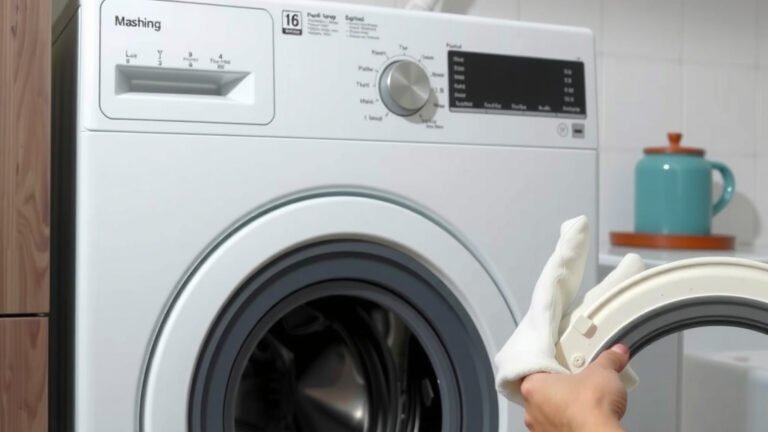
You should clean the door seal at least once a month. This helps prevent mold and mildew buildup, which can cause odors. Wipe it down with a damp cloth and mild detergent. Always leave the door ajar after use to allow it to air dry.
Can front loaders handle large, bulky items like comforters?
Yes, most modern front loaders have large capacities that can easily accommodate bulky items. Always check the manufacturer’s specifications to ensure the item fits comfortably without overcrowding the drum. Overloading can impact cleaning performance.
What’s the deal with front loader odors?
Front loaders use less water, which can sometimes lead to residual moisture in the door seal or drum. To prevent odors, always leave the door and detergent dispenser slightly open between washes. Running a monthly cleaning cycle with a washing machine cleaner also helps.
Are smart features on front loaders actually useful?
Smart features can offer real convenience. You can start or pause cycles remotely, receive notifications when laundry is done, and even troubleshoot issues via an app. While not essential for everyone, they can simplify busy schedules.
![7 Best Washing Machine For Condo [In 2026]](https://homeunderstandable.com/wp-content/uploads/2026/08/7-best-washing-machine-for-condo-in-2026-featured-768x432.jpg)
![7 Best Portable Washer For Small Apartment [In 2026]](https://homeunderstandable.com/wp-content/uploads/2026/08/7-best-portable-washer-for-small-apartment-in-2026-featured-768x432.jpg)